A stroke changes everything in an instant. One moment your parent is fine; the next, they may struggle to speak, move, or perform tasks they've done their entire lives. As a caregiver, you're suddenly thrust into a world of hospitals, rehabilitation centers, and medical terminology while watching someone you love struggle with basic functions.
The good news is that the brain has remarkable ability to heal and adapt. With proper rehabilitation, support, and time, many stroke survivors regain significant function. This guide will help you understand what to expect and how to best support your parent's recovery.
Know the Signs of Another Stroke
Stroke survivors are at higher risk for another stroke. Remember FAST: Face drooping, Arm weakness, Speech difficulty, Time to call 911. Any new stroke symptoms require immediate emergency care.
Understanding Stroke and Its Effects
A stroke occurs when blood flow to part of the brain is interrupted, either by a clot (ischemic stroke, about 87% of strokes) or bleeding (hemorrhagic stroke). Brain cells begin dying within minutes, which is why immediate treatment is crucial.
How Stroke Location Affects Recovery
The specific effects depend on which part of the brain was damaged:
- Left brain stroke: Often affects the right side of the body, may cause speech and language problems (aphasia), may affect reading, writing, and math
- Right brain stroke: Often affects the left side of the body, may cause spatial perception problems, may affect judgment and awareness of deficits
- Brainstem stroke: Can affect both sides of the body, may impact balance, vision, swallowing, and vital functions
- Cerebellum stroke: Primarily affects balance, coordination, and fine motor control
Common Stroke Effects
- Physical: Weakness or paralysis (often on one side), balance problems, fatigue, pain, spasticity (muscle stiffness)
- Communication: Difficulty speaking (aphasia), slurred speech (dysarthria), trouble understanding language
- Cognitive: Memory problems, attention difficulties, problem-solving challenges, confusion
- Emotional: Depression, anxiety, mood swings, emotional lability (crying or laughing inappropriately)
- Sensory: Numbness, tingling, vision changes, difficulty with spatial awareness
- Swallowing: Dysphagia (swallowing difficulty), which can lead to choking or aspiration pneumonia
As an Amazon Associate, we earn from qualifying purchases.
Recommended Stroke Recovery Products
 Hand Therapy Exercise Ball Set Helps rebuild hand strength and dexterity after stroke
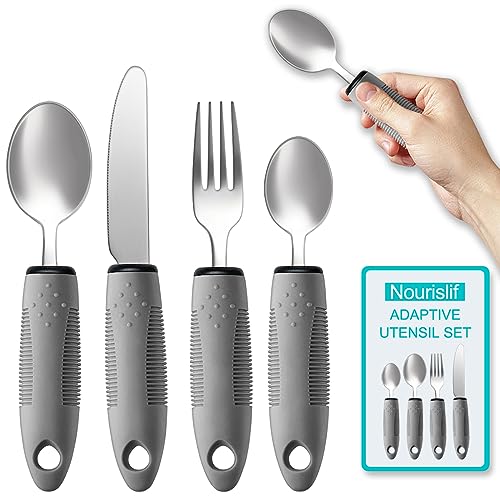 Weighted Adaptive Utensils Makes eating easier for those with reduced coordination
 Rollator Walker with Seat Provides mobility support with rest breaks during rehabilitation
 Shower Chair with Back Support Safe bathing for those with weakness or balance issues
Recovery Timeline: What to Expect
Stroke recovery follows a general pattern, though every person's journey is different.
Acute Phase (First Days to Weeks)
The initial focus is on medical stabilization and preventing complications. During this time:
- Medical team works to prevent another stroke and manage risk factors
- Early rehabilitation may begin in the hospital
- Assessment of deficits and rehabilitation needs
- Discharge planning begins
Early Recovery (Weeks to 3 Months)
This is often the period of most rapid improvement:
- Intensive rehabilitation, often in an inpatient rehab facility
- Brain is actively healing and rewiring
- Significant gains in function are common
- Daily therapy sessions (often 3+ hours per day in inpatient rehab)
Later Recovery (3-6 Months)
Improvement continues but may slow:
- Often transitions to outpatient therapy or home health
- Focus on building on gains made in early recovery
- Learning to adapt to any permanent limitations
- Increasing independence in daily activities
Long-Term Recovery (6 Months and Beyond)
Recovery can continue for years:
- Improvement continues but at a slower pace
- Focus on maintaining gains and continued adaptation
- Some survivors make significant gains years after stroke
- Ongoing therapy may be beneficial
Types of Rehabilitation Therapy
Stroke rehabilitation typically involves multiple types of therapy working together.
Physical Therapy (PT)
Focuses on movement, strength, and mobility:
- Relearning to walk and maintain balance
- Strengthening weakened muscles
- Managing spasticity
- Transfer training (bed to chair, chair to standing)
- Use of mobility aids (walkers, canes, wheelchairs)
- Fall prevention strategies
Occupational Therapy (OT)
Focuses on daily living skills and independence:
- Self-care skills (bathing, dressing, grooming, eating)
- Fine motor skills (buttoning, writing, using utensils)
- Home safety assessment and modifications
- Adaptive equipment training
- Cognitive rehabilitation for daily tasks
- Energy conservation techniques
Speech-Language Therapy (SLP)
Addresses communication and swallowing:
- Aphasia therapy (language comprehension and expression)
- Speech clarity exercises
- Alternative communication methods if needed
- Swallowing evaluation and therapy
- Cognitive-communication skills
Other Therapies
- Recreational therapy: Helps reintegrate into enjoyable activities
- Neuropsychological rehabilitation: Addresses cognitive deficits
- Vision therapy: For visual field loss or processing problems
- Vocational rehabilitation: For those hoping to return to work
Where Rehabilitation Happens
Understanding your options helps you advocate for appropriate care.
Inpatient Rehabilitation Facility (IRF)
Intensive, hospital-level rehabilitation:
- 3+ hours of therapy daily
- 24-hour nursing care
- Typical stay: 2-3 weeks
- Best for those who can tolerate intensive therapy and need close medical supervision
- Medicare covers with qualifying conditions
Skilled Nursing Facility (SNF)
Less intensive than IRF:
- 1-2 hours of therapy daily
- 24-hour nursing care
- Good for those who need more time to build stamina
- Medicare covers up to 100 days after qualifying hospital stay
Home Health
Therapy provided in your parent's home:
- Therapist visits home several times per week
- Good for those who are homebound or prefer home setting
- Medicare covers if homebound criteria met
- Requires caregiver support between visits
Outpatient Therapy
Your parent travels to therapy appointments:
- Sessions typically 2-3 times per week
- More independence required
- Often follows inpatient rehabilitation
- May continue for months
Supporting Recovery at Home
Much of stroke recovery happens at home. Your role as caregiver is crucial.
Creating a Safe Environment
- Remove tripping hazards (rugs, cords, clutter)
- Install grab bars in bathroom
- Ensure adequate lighting
- Consider a hospital bed or bed rails if needed
- Arrange furniture to allow for walker or wheelchair if needed
- Move frequently used items to accessible locations
Supporting Physical Recovery
- Encourage practice of therapy exercises
- Help with exercises as instructed by therapists
- Promote walking and movement throughout the day
- Don't do everything for them, allow them to struggle appropriately
- Celebrate small victories
Communication Strategies
If your parent has aphasia or speech difficulties:
- Give them time to respond, don't finish sentences for them
- Use simple, short sentences
- Ask yes/no questions when possible
- Use gestures, pictures, or writing to supplement speech
- Minimize background noise during conversations
- Don't pretend to understand if you don't, ask for clarification
- Include them in conversations, don't talk about them as if they're not there
Managing Daily Care
- Follow therapy recommendations for bathing, dressing, and transfers
- Use adaptive equipment as prescribed
- Maintain a consistent routine
- Allow extra time for tasks
- Encourage independence while ensuring safety
Preventing Complications
Stroke survivors face risks for several complications that vigilant care can help prevent.
Preventing Another Stroke
Up to 25% of stroke survivors have another stroke within 5 years. Prevention involves:
- Taking all medications as prescribed (blood thinners, blood pressure, cholesterol)
- Controlling blood pressure (most important factor)
- Managing diabetes if present
- Quitting smoking
- Limiting alcohol
- Heart-healthy diet (low sodium, low saturated fat)
- Regular physical activity as able
- Attending all follow-up appointments
Preventing Falls
Balance problems and weakness increase fall risk:
- Use prescribed mobility aids consistently
- Remove home hazards
- Ensure proper footwear (non-slip, supportive)
- Install grab bars and handrails
- Consider a medical alert system
- Don't rush, allow time for safe movement
Preventing Aspiration Pneumonia
Swallowing difficulties can lead to food or liquid entering the lungs:
- Follow diet texture recommendations (thickened liquids, soft foods if prescribed)
- Sit upright during and after eating
- Take small bites and eat slowly
- Watch for coughing or wet voice during eating
- Good oral hygiene to reduce bacteria
Managing Spasticity
Muscle stiffness can worsen without proper management:
- Range of motion exercises daily
- Proper positioning in bed and chair
- Medications if prescribed
- Stretching program from therapist
Emotional and Psychological Recovery
The emotional impact of stroke is often underestimated but profoundly affects recovery.
Depression After Stroke
Depression affects up to one-third of stroke survivors:
- May be caused by brain changes, grief over losses, or both
- Can interfere with rehabilitation participation and recovery
- Watch for: persistent sadness, loss of interest, sleep changes, hopelessness
- Treatment helps: antidepressants, therapy, support groups
- Report concerns to healthcare team
Emotional Lability (Pseudobulbar Affect)
Some stroke survivors experience uncontrollable crying or laughing:
- Caused by brain damage affecting emotional control
- Emotions may not match how they actually feel
- Can be embarrassing and isolating
- Medication can help
- Educate family and friends that this is a stroke effect
Grief and Adjustment
Both your parent and you will grieve:
- Loss of abilities, independence, future plans
- Changed roles and relationships
- Grief is normal and should be acknowledged
- Allow yourself and your parent to express feelings
- Seek counseling if needed
Anxiety
Fear of another stroke and other anxieties are common:
- Fear of falling, being alone, or trying new things
- Can limit participation in therapy and life
- Address fears directly but compassionately
- Gradual exposure to feared activities with support
- Consider therapy or medication if anxiety is severe
Taking Care of Yourself as Caregiver
Stroke caregiving is demanding. Your wellbeing matters too.
Caregiver Burden
Stroke caregiving can lead to:
- Physical exhaustion
- Emotional strain and depression
- Social isolation
- Financial stress
- Relationship changes
Protecting Your Health
- Accept help when offered, don't try to do it alone
- Use respite care to take breaks
- Maintain your own medical appointments
- Get enough sleep
- Stay connected with friends and support systems
- Consider joining a stroke caregiver support group
- Don't neglect your own emotional health
Getting Help
- Ask family members to share caregiving duties
- Explore home health aides for personal care assistance
- Look into adult day programs for respite
- Contact local stroke support organizations
- Consider a geriatric care manager to help coordinate care
Long-Term Outlook and Adaptation
Many stroke survivors live meaningful, fulfilling lives with appropriate support and adaptation.
Setting Realistic Goals
- Focus on function, not perfection
- Celebrate progress, not just outcomes
- Adjust expectations as recovery progresses
- Find new ways to do valued activities
Continuing to Improve
- Keep practicing skills even after formal therapy ends
- Consider periodic therapy "tune-ups"
- Stay physically active
- Engage in mentally stimulating activities
- Maintain social connections
Resources
- American Stroke Association: stroke.org | 1-888-478-7653
- National Stroke Association: stroke.org
- Aphasia Support: aphasia.org
- Family Caregiver Alliance: caregiver.org