Nearly half of Americans have some form of heart disease, and the risk increases significantly with age. If your parent has been diagnosed with a heart condition, you're likely juggling medications, dietary restrictions, activity limitations, and the ever-present worry about emergencies.
This guide will help you understand common heart conditions in seniors, manage day-to-day care, recognize warning signs, and know when to seek emergency help.
Emergency: Know the Signs of Heart Attack
If your parent has chest pain or pressure, shortness of breath, pain radiating to arm/jaw/back, nausea, cold sweat, or sudden dizziness, call 911 immediately. Don't wait to see if it passes. Time is critical, treatments work best within the first hour.
Types of Heart Disease in Seniors
Understanding your parent's specific condition helps you provide better care.
Coronary Artery Disease (CAD)
The most common form of heart disease. Plaque buildup narrows the arteries that supply blood to the heart.
- What happens: Reduced blood flow to the heart muscle
- Symptoms: Chest pain (angina), shortness of breath, fatigue
- Risk: Can lead to heart attack if artery becomes completely blocked
- Treatment: Medications, lifestyle changes, possibly stents or bypass surgery
Heart Failure (Congestive Heart Failure)
The heart can't pump blood efficiently. Despite the name, it doesn't mean the heart has stopped.
- What happens: Heart is weakened or stiff, can't meet body's needs
- Symptoms: Shortness of breath, fatigue, swelling (legs, ankles, abdomen), weight gain from fluid
- Types: Left-sided, right-sided, or both; systolic (weak pumping) or diastolic (stiff heart)
- Treatment: Medications, dietary changes, activity modification, sometimes devices or surgery
Arrhythmias
Abnormal heart rhythms, the heart beats too fast, too slow, or irregularly.
- Common types: Atrial fibrillation (AFib), bradycardia (slow), tachycardia (fast)
- Symptoms: Palpitations, dizziness, fatigue, shortness of breath, fainting
- Risks: AFib significantly increases stroke risk
- Treatment: Medications, blood thinners for AFib, pacemakers, cardioversion
Valvular Heart Disease
One or more heart valves don't work properly.
- Types: Stenosis (valve doesn't open fully), regurgitation (valve leaks)
- Symptoms: Shortness of breath, fatigue, swelling, heart murmur
- Treatment: Monitoring, medications, valve repair or replacement
As an Amazon Associate, we earn from qualifying purchases.
Recommended Heart Health Products
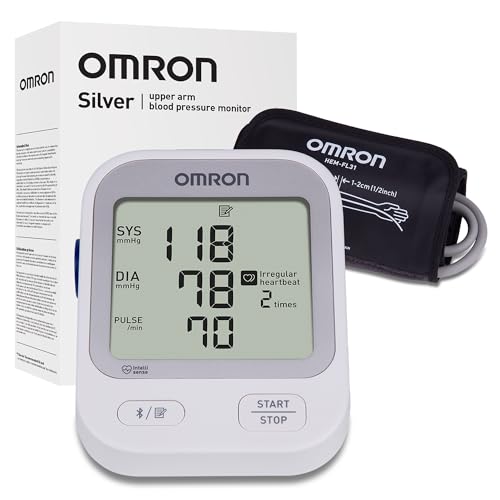 Omron Blood Pressure Monitor with Extra Large Cuff Clinically accurate home monitoring with easy-read display
 Automatic Pill Dispenser with Alarms Never miss critical heart medications with programmable reminders
 Low-Sodium Cookbook for Heart Health Delicious recipes that support cardiovascular health
 Compression Socks for Circulation Improves blood flow and reduces leg swelling
Warning Signs to Watch For
As a caregiver, knowing what to watch for can help you catch problems early and respond to emergencies quickly.
Heart Attack Warning Signs
Call 911 immediately for:
- Chest discomfort (pressure, squeezing, fullness, pain)
- Pain or discomfort in arms, back, neck, jaw, or stomach
- Shortness of breath (with or without chest discomfort)
- Cold sweat, nausea, lightheadedness
Seniors May Have Atypical Symptoms
Older adults, especially women, may not have classic chest pain. Watch for unusual fatigue, indigestion, back or jaw pain, or just "not feeling right." When in doubt, call 911. It's better to be wrong than to miss a heart attack.
Worsening Heart Failure Signs
Contact the doctor promptly for:
- Weight gain of 2-3+ pounds in a day or 5+ pounds in a week
- Increased swelling in legs, ankles, or feet
- More shortness of breath than usual
- Waking up breathless at night
- Need to sleep propped up on more pillows
- Increased fatigue or weakness
- Persistent cough, especially when lying down
- Decreased appetite or nausea
- Confusion or difficulty thinking (especially in older adults)
Stroke Warning Signs (FAST)
People with heart disease, especially AFib, have higher stroke risk:
- F - Face: Ask them to smile. Does one side droop?
- A - Arms: Ask them to raise both arms. Does one drift down?
- S - Speech: Ask them to repeat a simple phrase. Is speech slurred or strange?
- T - Time: If you see any of these signs, call 911 immediately
Medication Management
Heart patients often take multiple medications. Proper management is crucial for effectiveness and safety.
Common Heart Medications
Blood Thinners (Anticoagulants)
- Examples: Warfarin (Coumadin), apixaban (Eliquis), rivaroxaban (Xarelto), aspirin
- Purpose: Prevent blood clots (crucial for AFib, after stents, or with certain conditions)
- Key concerns: Increased bleeding risk, need to watch for signs of internal bleeding
- Warfarin note: Requires regular INR blood tests and dietary consistency (vitamin K foods)
Beta-Blockers
- Examples: Metoprolol, carvedilol, atenolol
- Purpose: Slow heart rate, lower blood pressure, reduce heart's workload
- Key concerns: Can cause fatigue, dizziness; don't stop suddenly
ACE Inhibitors / ARBs
- Examples: Lisinopril, enalapril (ACE-I); losartan, valsartan (ARBs)
- Purpose: Lower blood pressure, protect heart and kidneys
- Key concerns: Dry cough (ACE-I), dizziness, kidney function monitoring
Diuretics (Water Pills)
- Examples: Furosemide (Lasix), bumetanide, hydrochlorothiazide
- Purpose: Remove excess fluid, reduce swelling and shortness of breath
- Key concerns: Frequent urination, need to monitor potassium levels
Statins
- Examples: Atorvastatin (Lipitor), simvastatin (Zocor), rosuvastatin (Crestor)
- Purpose: Lower cholesterol, stabilize plaque in arteries
- Key concerns: Muscle pain or weakness (report to doctor)
Nitroglycerin
- Purpose: Relieve chest pain (angina) quickly
- How to use: Place under tongue at first sign of angina; can repeat every 5 minutes x3; call 911 if no relief
- Key concerns: Can cause headache, dizziness; must be stored properly (dark container, expires after opening)
Medication Management Tips
- Use a pill organizer to prevent missed or double doses
- Keep an updated medication list (name, dose, frequency, purpose)
- Set alarms for medication times
- Never stop heart medications suddenly without doctor's guidance
- Report side effects rather than stopping on your own
- Be aware of interactions (including with supplements and OTC medications)
- Keep medications properly stored (some need refrigeration)
- Refill before running out completely
Daily Monitoring
Regular monitoring helps catch problems early and tracks how well treatment is working.
Daily Weight Monitoring (for Heart Failure)
Sudden weight gain often indicates fluid retention before other symptoms appear.
- Weigh at the same time each day (morning, after using bathroom, before eating)
- Use the same scale on a hard, flat surface
- Wear similar clothing each time
- Record the weight in a log
- Call the doctor if weight increases 2-3 lbs in one day or 5 lbs in one week
Blood Pressure Monitoring
High blood pressure strains the heart. Regular monitoring helps adjust medications.
- Rest for 5 minutes before measuring
- Sit with feet flat on floor, arm supported at heart level
- Don't talk during measurement
- Take at consistent times each day
- Record readings for doctor appointments
- Know your target range (ask the doctor what numbers to aim for)
Tracking Symptoms
Keep a log of:
- Chest pain episodes (timing, duration, what triggered it, what helped)
- Shortness of breath (when it occurs, severity)
- Swelling levels
- Fatigue and activity tolerance
- Sleep quality (any breathing problems at night)
Lifestyle Management
Lifestyle changes are as important as medications for managing heart disease.
Heart-Healthy Diet
Reduce sodium (salt):
- Limit to 1,500-2,000 mg daily (or as prescribed)
- Avoid processed foods, canned soups, deli meats
- Don't add salt at the table
- Use herbs, spices, and lemon for flavor
- Read labels carefully (sodium is hidden everywhere)
Eat more:
- Fruits and vegetables
- Whole grains
- Lean proteins (fish, poultry, legumes)
- Healthy fats (olive oil, nuts, avocado)
Limit:
- Saturated fat (red meat, full-fat dairy)
- Trans fats (some processed foods)
- Added sugars
- Alcohol (ask doctor about limits)
Fluid restriction: Some heart failure patients need to limit total daily fluids. Ask the doctor if this applies.
Physical Activity
Exercise is generally beneficial for heart disease, but should be appropriate to your parent's condition.
- Ask the doctor about safe activities and limitations
- Consider cardiac rehabilitation if available
- Start slowly and build gradually
- Walking is often excellent exercise
- Avoid heavy lifting or straining (especially after certain procedures)
- Watch for warning signs during activity (chest pain, severe shortness of breath, dizziness)
- Don't exercise in extreme temperatures
Other Lifestyle Factors
- Smoking: Stopping smoking is crucial. It's never too late to benefit
- Stress management: Chronic stress affects the heart. Help them find ways to relax
- Sleep: Sleep apnea is common in heart patients and should be treated
- Vaccinations: Flu and pneumonia vaccines are especially important
When to Call the Doctor
Contact the doctor's office for:
- Weight gain as specified (usually 2-3 lbs/day or 5 lbs/week)
- Increased swelling
- New or worsening shortness of breath
- Increased fatigue
- Dizziness or lightheadedness
- Side effects from medications
- Questions about medications or activity
- Changes in angina patterns
- Concerns about symptoms or condition
Emergency Response
Be prepared for cardiac emergencies.
Call 911 For:
- Chest pain or pressure lasting more than a few minutes
- Chest pain not relieved by rest or nitroglycerin
- Severe shortness of breath
- Fainting or near-fainting
- Very rapid or irregular heartbeat with symptoms
- Signs of stroke (FAST)
- Confusion or difficulty speaking suddenly
- Severe weakness
Don't Drive to the Hospital
Call 911 rather than driving to the hospital. Paramedics can provide life-saving treatment immediately, monitor vital signs en route, and alert the hospital so they're ready. Time saved can mean heart muscle saved.
If Your Parent Has Nitroglycerin
- Have them sit or lie down
- Place one tablet under the tongue (or spray)
- Wait 5 minutes
- If no relief, take a second dose
- Wait 5 more minutes
- If still no relief, take a third dose
- If chest pain continues after 3 doses or 15 minutes, call 911
Emergency Preparedness
- Keep a current medication list readily available
- Know where emergency contacts and medical information are stored
- Consider learning CPR
- Know the location of the nearest hospital
- Keep nitroglycerin accessible (but not expired)
- Consider a medical alert system
Working with the Healthcare Team
Heart disease often involves multiple specialists. Coordinated care is important.
Who May Be Involved
- Primary care physician: Overall care coordination
- Cardiologist: Heart specialist
- Electrophysiologist: Rhythm specialist (for arrhythmias)
- Heart failure specialist: For advanced heart failure
- Cardiac rehabilitation team: Exercise, education, recovery
- Dietitian: Heart-healthy eating guidance
Appointment Tips
- Bring updated medication list to every appointment
- Bring symptom log and weight records
- Write down questions in advance
- Take notes during the appointment
- Ask about warning signs specific to your parent's condition
- Clarify activity limitations
- Make sure you understand medication changes before leaving
Emotional Support
Heart disease affects quality of life and can cause anxiety and depression.
Common Emotional Challenges
- Fear of heart attack or sudden death
- Grief over lost abilities
- Frustration with limitations
- Depression (common after heart events)
- Anxiety about symptoms
How to Help
- Listen without minimizing their concerns
- Encourage social connection
- Help them maintain activities they enjoy (within limits)
- Watch for signs of depression
- Consider support groups for heart patients
- Don't be overprotective, appropriate activity is healthy
Helpful Resources
- American Heart Association: heart.org | 1-800-242-8721
- Heart Failure Society of America: hfsa.org
- Mended Hearts (peer support): mendedhearts.org
- WomenHeart (for women): womenheart.org