Managing Chronic Conditions in Seniors: A Complete Caregiver Guide
Medical Disclaimer: This article is for informational purposes only and does not constitute medical advice. Always consult with qualified healthcare providers for diagnosis and treatment decisions. Every individual's health situation is unique.
Caring for an aging parent with chronic health conditions presents unique challenges that can feel overwhelming. When your parent lives with diabetes, heart disease, arthritis, COPD, or multiple conditions simultaneously, effective management requires coordination, vigilance, and comprehensive knowledge. The reality is that 80% of adults over 65 have at least one chronic condition, and 68% have two or more.
This complete guide provides caregivers with practical strategies for managing chronic conditions in elderly parents. You'll learn how to coordinate care across multiple healthcare providers, track vital signs and symptoms effectively, implement diet and lifestyle modifications that make a real difference, recognize emergency situations, and leverage technology to improve monitoring and outcomes. Whether your parent has a single well-controlled condition or multiple complex diagnoses, these evidence-based approaches will help you provide better care while reducing your stress and preventing caregiver burnout.
Common Chronic Conditions in Seniors
Understanding the specific conditions affecting your parent is the foundation of effective management. Each condition requires different monitoring, medications, and lifestyle approaches.
Diabetes (Type 2)
Type 2 diabetes affects approximately 25% of adults over 65 and requires consistent blood sugar management to prevent serious complications including vision loss, kidney disease, nerve damage, and cardiovascular problems.
Key Management Strategies:
- • Monitor blood glucose levels as prescribed (typically 1-4 times daily)
- • Maintain consistent meal timing and carbohydrate intake
- • Take medications or insulin exactly as prescribed
- • Schedule regular eye exams and foot checks
- • Watch for signs of high blood sugar (increased thirst, frequent urination, blurred vision)
- • Recognize low blood sugar symptoms (shakiness, sweating, confusion, rapid heartbeat)
- • Maintain HbA1c levels within target range (typically 7-8% for seniors)
Heart Disease and Hypertension
Cardiovascular disease is the leading cause of death in seniors, while high blood pressure affects nearly 70% of adults over 65. These conditions often occur together and significantly increase stroke risk.
Key Management Strategies:
- • Monitor blood pressure daily at consistent times
- • Limit sodium intake to 1,500-2,000mg daily
- • Take blood pressure and heart medications consistently
- • Watch for chest pain, unusual fatigue, or shortness of breath
- • Maintain healthy weight and engage in approved physical activity
- • Manage stress through relaxation techniques
- • Keep cholesterol levels in target ranges
- • Monitor for swelling in legs, ankles, or abdomen (heart failure sign)
Arthritis
Arthritis affects approximately 50% of seniors over 65, with osteoarthritis being most common. This degenerative joint disease causes pain, stiffness, and reduced mobility that can significantly impact quality of life and independence.
Key Management Strategies:
- • Use anti-inflammatory medications as prescribed (monitor for stomach issues)
- • Apply heat or cold therapy for pain relief
- • Engage in gentle, joint-friendly exercise like swimming or tai chi
- • Use assistive devices (canes, jar openers, elevated toilet seats)
- • Maintain healthy weight to reduce joint stress
- • Consider physical therapy for strength and range of motion
- • Balance activity with rest to manage inflammation
- • Track pain levels to identify patterns and triggers
Chronic Obstructive Pulmonary Disease (COPD)
COPD affects approximately 15% of seniors and includes chronic bronchitis and emphysema. This progressive lung disease causes breathing difficulty that worsens over time, dramatically affecting daily activities and quality of life.
Key Management Strategies:
- • Use inhalers and nebulizers correctly and consistently
- • Quit smoking immediately (most important intervention)
- • Avoid secondhand smoke, air pollution, and respiratory irritants
- • Practice breathing exercises and pursed-lip breathing
- • Get vaccinated for flu, pneumonia, and COVID-19
- • Use supplemental oxygen as prescribed
- • Monitor oxygen saturation levels with pulse oximeter
- • Participate in pulmonary rehabilitation programs
- • Recognize exacerbation signs (increased breathlessness, mucus changes)
Other Common Chronic Conditions
Additional conditions frequently affecting seniors include:
- Chronic Kidney Disease: Requires dietary restrictions, blood pressure control, and careful medication monitoring
- Osteoporosis: Demands calcium and vitamin D supplementation, fall prevention, and weight-bearing exercise
- Alzheimer's and Dementia: Needs cognitive stimulation, routine maintenance, and caregiver support
- Cancer: Involves complex treatment coordination, symptom management, and emotional support
- Depression and Anxiety: Requires medication, therapy, social connection, and mental health monitoring
Each condition requires specialized knowledge, but the fundamental principles of consistent monitoring, medication adherence, lifestyle modification, and healthcare coordination apply across all chronic diseases.
As an Amazon Associate, we earn from qualifying purchases.
Recommended Chronic Condition Management Products
 Automatic Pill Dispenser Ensures medications are taken on time - programmable alarms
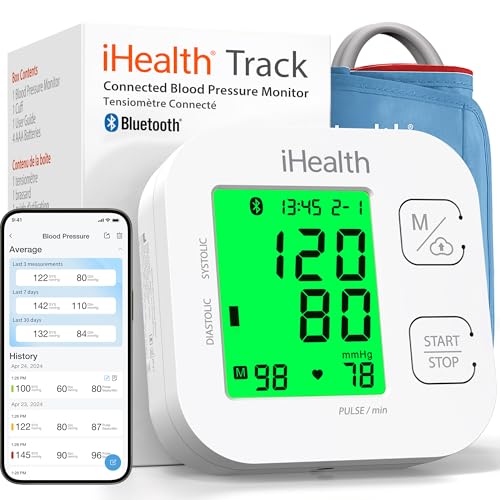 Blood Pressure Monitor Track vital signs at home with easy-read display
 Glucose Monitor Kit Easy diabetes management with large display
 Health Tracking Journal Log symptoms, medications, and doctor visits
Managing Multiple Conditions Simultaneously
The reality for most senior caregivers is managing not one but multiple chronic conditions simultaneously. This complexity creates unique challenges that require systematic approaches and careful coordination.
The Challenge of Multimorbidity
When your parent has multiple chronic conditions, interactions between diseases and treatments become critical concerns:
Medication Interactions
Diabetes medications may interact with heart medications. Pain relievers for arthritis can raise blood pressure or affect kidney function. Each new medication must be evaluated against all existing treatments.
Conflicting Treatment Goals
Dietary recommendations may conflict. Diabetes requires carbohydrate control while heart disease needs fat restriction. COPD patients need calories but heart failure requires fluid restriction.
Symptom Attribution Difficulty
Is the fatigue from heart disease, diabetes, depression, or medication side effects? Determining the cause requires careful observation and medical consultation.
Treatment Burden
Multiple conditions mean multiple medications, appointments, dietary restrictions, and monitoring tasks. This burden can overwhelm both patient and caregiver.
Prioritization Strategies
When managing multiple conditions, prioritization becomes essential. Work with your parent's care team to identify:
Priority Setting Framework:
- Life-threatening conditions first: Heart disease and diabetes complications take precedence over arthritis pain management
- Conditions affecting quality of life: Severe pain or breathing difficulty may need attention even if not immediately life-threatening
- Preventable complications: Focus on interventions that prevent hospitalizations and functional decline
- Patient preferences: Your parent's goals matter. If maintaining mobility is their priority, arthritis management may be emphasized
- Achievable interventions: Focus energy on changes your parent can realistically maintain
Creating an Integrated Care Plan
An integrated care plan consolidates all medical management into one comprehensive document:
| Care Plan Component | What to Include |
|---|---|
| Complete Diagnosis List | All chronic conditions with diagnosis dates and severity levels |
| Comprehensive Medication List | All medications including purpose, dosage, timing, and prescribing doctor |
| Healthcare Provider Directory | All doctors with specialties, contact information, and appointment schedules |
| Monitoring Schedule | Daily, weekly, and monthly monitoring tasks for each condition |
| Lifestyle Interventions | Diet requirements, exercise plans, and behavioral modifications |
| Emergency Action Plan | Warning signs for each condition and when to seek emergency care |
Simplification Opportunities
Actively look for ways to simplify the management burden:
- • Consolidate appointments when possible (same day for multiple specialists)
- • Use combination medications that treat multiple conditions
- • Align medication schedules so multiple drugs are taken together
- • Choose lifestyle interventions that benefit multiple conditions (walking helps diabetes, heart disease, and arthritis)
- • Eliminate unnecessary medications through regular reviews
- • Use technology for automated reminders and tracking
Caregiver Insight:
Many family caregivers report that creating a master schedule and medication grid reduced their stress significantly. One caregiver reduced her father's medications from 14 to 9 through a comprehensive review, eliminating duplicates and unnecessary supplements while maintaining effective disease management.
Working with Healthcare Teams
Effective chronic disease management requires coordination across multiple healthcare providers. Building strong relationships with your parent's care team and facilitating communication between providers dramatically improves outcomes.
The Primary Care Physician as Care Coordinator
The primary care physician should serve as the quarterback of your parent's healthcare team, coordinating specialists and maintaining the big picture:
Primary Care Physician Responsibilities:
- • Oversees all chronic condition management
- • Reviews medications from all specialists for interactions
- • Provides referrals to specialists when needed
- • Receives and reviews specialist reports
- • Coordinates care transitions (hospital to home)
- • Manages preventive care (vaccinations, screenings)
- • Addresses new symptoms and acute illnesses
- • Helps prioritize competing treatment recommendations
Building Your Healthcare Team
Beyond the primary care physician, your parent's team may include:
Specialists
Cardiologists, endocrinologists, pulmonologists, rheumatologists, or other specialists who manage specific conditions. Limit to essential specialists to avoid fragmentation.
Pharmacist
Medication experts who can identify interactions, suggest cost savings, and provide medication therapy management. Often the most accessible healthcare professional.
Registered Dietitian
Creates meal plans that address multiple conditions simultaneously, balancing competing dietary requirements.
Physical Therapist
Develops safe exercise programs appropriate for multiple conditions, improving mobility and function.
Home Health Nurse
Provides skilled nursing care at home, monitors vital signs, and helps with medication management.
Social Worker or Care Manager
Coordinates services, connects to community resources, and provides caregiver support.
Facilitating Communication Between Providers
Providers often don't communicate effectively with each other. You become the crucial link:
- Request records be shared: After each specialist visit, ask that reports be sent to the primary care physician
- Maintain your own records: Keep copies of all test results, specialist reports, and hospital discharge summaries
- Use patient portals: Many health systems now share records electronically through patient portals
- Provide updates proactively: Tell each doctor about medications prescribed by others
- Bring comprehensive lists: Medication lists, recent test results, and symptom logs to every appointment
- Request care coordination appointments: Periodic appointments focused solely on reviewing the overall care plan
Maximizing Appointment Effectiveness
Prepare thoroughly for medical appointments to ensure all concerns are addressed:
Before the Appointment:
- • Write down questions and concerns in priority order
- • Update medication list with any changes
- • Gather symptom logs and vital sign records
- • Review the previous visit notes to ensure follow-through
- • Bring a list of current medications in their bottles
- • Prepare a brief summary of changes since last visit
During the Appointment:
- • Take notes or record the conversation (with permission)
- • Ask questions until you fully understand instructions
- • Clarify medication changes and their reasons
- • Request written instructions for complex care tasks
- • Discuss any concerns about affordability or complexity
- • Confirm next appointment and what to monitor before then
Communication Tip:
Don't leave appointments confused or uncertain. Doctors expect questions. Saying "I want to make sure I understand this correctly" and summarizing instructions back to the doctor ensures you have accurate information. If you need more time, request a longer appointment or a follow-up call.
Tracking Symptoms and Vital Signs
Consistent monitoring of vital signs and symptoms provides early warning of complications, guides treatment adjustments, and gives healthcare providers objective data for decision-making. Effective tracking doesn't require medical expertise, just consistency and attention to detail.
Essential Vital Signs to Monitor
The specific vital signs you monitor depend on your parent's conditions:
| Vital Sign | Conditions Requiring Monitoring | Frequency | Normal Range |
|---|---|---|---|
| Blood Pressure | Hypertension, heart disease, diabetes, kidney disease | Daily, same time | Below 130/80 for most seniors |
| Blood Glucose | Diabetes, prediabetes | 1-4 times daily as prescribed | 80-130 fasting, under 180 after meals |
| Weight | Heart failure, kidney disease, diabetes | Daily, same time (usually morning) | Stable (alert if gain of 2-3 lbs in a day) |
| Oxygen Saturation | COPD, heart failure, pneumonia | 1-4 times daily | 95-100% (lower acceptable with COPD) |
| Pulse Rate | Heart disease, atrial fibrillation | Daily or as prescribed | 60-100 beats per minute at rest |
| Temperature | When illness suspected | As needed | 97-99°F (seniors may run cooler) |
Proper Measurement Techniques
Accurate measurements require correct technique:
Blood Pressure
Have your parent sit quietly for 5 minutes before measuring. Feet should be flat on floor, arm supported at heart level. Use properly sized cuff. Take 2-3 readings and average them. Same time daily for consistency.
Blood Glucose
Wash hands with soap and warm water (not alcohol wipes which can affect readings). Use side of fingertip, not pad. Record results with timing (fasting, before meals, 2 hours after meals). Note unusual readings and potential causes.
Weight
Weigh at same time daily (ideally morning after urination, before eating). Use same scale. Wear similar clothing. Track trends, not daily fluctuations. Sudden increases may indicate fluid retention.
Oxygen Saturation
Use pulse oximeter on clean finger without nail polish. Keep hand still and warm. Wait for stable reading. Record both oxygen level and pulse rate. Note if reading taken on supplemental oxygen.
Symptom Tracking Beyond Numbers
Subjective symptoms are equally important as vital signs. Track these systematically:
- Pain levels: Use a 0-10 scale. Note location, quality (sharp, dull, burning), and what makes it better or worse
- Energy and fatigue: Track good days versus bad days. Note activities that increase fatigue
- Appetite and eating: Record meals eaten, portions, and any digestive symptoms
- Sleep quality: Hours slept, nighttime awakenings, daytime napping
- Mood and cognition: Changes in mental clarity, memory, mood, or behavior
- Bowel and bladder function: Frequency, any changes in pattern or control
- Shortness of breath: At rest versus with activity, number of pillows needed for sleep
Creating Effective Tracking Systems
Choose tracking methods that you'll actually use consistently:
Paper Logs
Simple, no technology required. Create templates or purchase medical log books. Keep near monitoring equipment. Easy to bring to appointments.
Spreadsheets
Excel or Google Sheets allow data visualization with graphs. Can calculate averages automatically. Easily shareable with family members.
Health Apps
Many free apps track multiple vital signs. Some sync with medical devices. Can set reminders and generate reports for doctors.
Device Memory
Many blood pressure monitors and glucose meters store readings. Download periodically or bring device to appointments.
Practical Tip:
Create a simple one-page daily log that combines all vital signs your parent needs monitored. Laminate it and use dry-erase markers for easy reuse. Transfer data weekly to a more permanent record. This reduces daily paperwork while maintaining consistency.
Diet and Lifestyle Modifications
Lifestyle changes often feel less urgent than medications, but they're equally powerful for managing chronic conditions. Diet, exercise, stress management, and sleep improvements can reduce medication needs, prevent complications, and dramatically improve quality of life.
Dietary Strategies for Common Conditions
Nutrition is powerful medicine. These evidence-based dietary approaches benefit specific conditions:
Diabetes Diet
Focus on consistent carbohydrate intake, choosing complex carbs over simple sugars. Emphasize non-starchy vegetables, lean proteins, and healthy fats. Avoid sugary drinks. Eat at regular times to match medication timing.
Key foods: Leafy greens, whole grains, beans, fish, nuts
Heart-Healthy Diet
Limit sodium to 1,500-2,000mg daily. Choose unsaturated fats over saturated fats. Increase omega-3 fatty acids from fish. Eat plenty of fruits and vegetables. Limit red meat and processed foods.
Key foods: Salmon, olive oil, berries, oats, dark chocolate (in moderation)
Arthritis-Friendly Diet
Emphasize anti-inflammatory foods. Include omega-3 fatty acids. Consider Mediterranean diet pattern. Some people benefit from reducing nightshade vegetables. Maintain healthy weight to reduce joint stress.
Key foods: Fatty fish, turmeric, ginger, cherries, green tea
COPD Nutrition
Ensure adequate calories (breathing burns extra energy). Eat smaller, frequent meals to avoid breathlessness from full stomach. Choose nutrient-dense foods. Limit simple carbohydrates which produce more CO2. Stay well-hydrated to thin mucus.
Key foods: Protein shakes, eggs, nut butters, nutrient-dense soups
Making Dietary Changes Sustainable
Dramatic diet overhauls rarely succeed. Use these strategies for lasting change:
- Start with one change at a time: Add vegetables to dinner before eliminating desserts
- Make swaps, not eliminations: Replace white rice with brown rice rather than removing rice entirely
- Keep favorite foods: Modify preparation methods or reduce portion sizes instead of complete restriction
- Involve your parent in planning: They're more likely to eat foods they helped choose
- Prepare familiar foods in healthier ways: Bake instead of fry, use herbs instead of salt
- Consider cultural preferences: Heart-healthy eating exists in all cuisines
- Use meal delivery if needed: Services specializing in diabetic or heart-healthy meals reduce burden
Exercise and Physical Activity
Physical activity benefits virtually all chronic conditions. Even small amounts of movement provide significant health improvements:
Benefits of Regular Exercise for Seniors:
- • Improves blood sugar control in diabetes
- • Lowers blood pressure and cholesterol
- • Strengthens heart muscle and improves circulation
- • Reduces arthritis pain and stiffness
- • Improves lung capacity in COPD
- • Enhances balance and reduces fall risk
- • Improves mood and reduces depression
- • Maintains muscle mass and functional independence
- • Improves sleep quality
Safe Exercise Guidelines
Always get medical clearance before starting new exercise programs. Then start slowly:
| Exercise Type | Benefits | Good Options |
|---|---|---|
| Aerobic/Cardio | Improves heart health, blood sugar, endurance | Walking, swimming, stationary bike, water aerobics |
| Strength Training | Maintains muscle mass, supports joints, improves metabolism | Light weights, resistance bands, chair exercises |
| Flexibility | Reduces stiffness, improves range of motion | Gentle stretching, yoga, tai chi |
| Balance | Prevents falls, maintains independence | Tai chi, standing yoga, heel-to-toe walking |
Additional Lifestyle Interventions
Beyond diet and exercise, these lifestyle factors significantly impact chronic disease:
- Smoking cessation: Single most important intervention for COPD and heart disease. Seek support through quitlines, medications, or programs
- Stress management: Chronic stress worsens all conditions. Try meditation, deep breathing, gentle yoga, or hobbies
- Sleep improvement: Poor sleep affects blood sugar, blood pressure, and inflammation. Maintain regular sleep schedule and address sleep apnea
- Social connection: Isolation worsens health outcomes. Encourage social activities, family contact, or senior center participation
- Limiting alcohol: Excessive alcohol interferes with diabetes management and raises blood pressure
- Hydration: Adequate water intake supports kidney function, prevents constipation, and helps many conditions
Reality Check:
Your parent won't adopt all lifestyle recommendations simultaneously. Focus on changes they're willing to make and that provide the biggest benefit for their specific conditions. Small, consistent improvements beat perfect plans that never get implemented. Celebrate progress rather than demanding perfection.
When to Seek Emergency Care
Knowing when to seek emergency care versus calling the doctor or waiting can literally save your parent's life. Chronic conditions increase the risk of acute emergencies, and seniors often present atypically, making recognition more challenging.
Call 911 Immediately For These Symptoms
Never hesitate to call emergency services for these situations:
Emergency Warning Signs:
- Chest pain or pressure: Especially with sweating, nausea, or shortness of breath (heart attack)
- Severe difficulty breathing: Can't speak in full sentences, gasping for air
- Sudden weakness or numbness: Especially one-sided, facial drooping, slurred speech (stroke)
- Severe confusion or decreased consciousness: Unresponsive or significantly altered mental state
- Severe uncontrolled bleeding: That doesn't stop with pressure
- Signs of severe allergic reaction: Throat swelling, severe rash, difficulty breathing
- Coughing up blood: More than streaks in mucus
- Severe persistent vomiting or diarrhea: Leading to dehydration or inability to keep down medications
- Seizure: Especially if first-time or prolonged
- Fall with head injury: Especially if on blood thinners
Condition-Specific Emergency Situations
Different chronic conditions have specific warning signs requiring emergency care:
Diabetes Emergencies
Blood sugar below 70 with confusion or inability to swallow. Blood sugar above 400. Signs of diabetic ketoacidosis (fruity breath, rapid breathing, confusion, severe thirst).
Heart Disease Emergencies
Any chest pain. Sudden severe shortness of breath. Rapid irregular heartbeat with dizziness. Sudden severe swelling in legs. Fainting or near-fainting episodes.
COPD Emergencies
Severe shortness of breath unrelieved by usual medications. Oxygen saturation below 88% (or their baseline minus 4%). Blue lips or fingertips. Severe chest tightness.
Hypertension Emergencies
Blood pressure above 180/120 with severe headache, blurred vision, chest pain, or difficulty breathing.
When to Call the Doctor (Not 911)
These situations require medical attention but aren't typically emergencies:
- • Persistent mild to moderate symptoms (fever under 103°F, ongoing cough, persistent pain)
- • Blood sugar consistently high but under 300 without other symptoms
- • Blood pressure slightly elevated but under 180/120 without symptoms
- • New medication side effects that are bothersome but not severe
- • Questions about medications or dosing
- • Mild shortness of breath that improves with rest
- • Increased arthritis pain or stiffness
- • Gradual weight gain (2-3 pounds over several days)
When in Doubt
If you're uncertain whether a situation is emergent:
- • Call 911 if symptoms are severe or you're frightened
- • Call your parent's doctor's office (most have 24/7 nurse lines)
- • Call telehealth services if available through insurance
- • Trust your instincts - if something feels very wrong, seek emergency care
- • Consider that seniors often underreport symptoms or present atypically
Preparing for Emergencies
Have these ready before emergencies occur:
Emergency Information Card
Keep on refrigerator and in wallet: Current medications, allergies, diagnoses, emergency contacts, preferred hospital, insurance information.
Go-Bag for Hospital
Glasses, hearing aids, phone charger, list of current medications, insurance cards, advance directives, comfort items.
Medical Alert System
For seniors living alone, medical alert pendants provide emergency access when caregivers aren't present.
Critical Reminder:
Seniors on blood thinners who fall and hit their head should always seek emergency evaluation, even if they feel fine. Internal bleeding can develop hours later. Similarly, seniors with diabetes who are confused should receive immediate care - it could be dangerously low blood sugar requiring rapid treatment.
Technology and Monitoring Aids
Modern technology offers powerful tools for managing chronic conditions, from simple monitoring devices to sophisticated systems that provide early warning of complications. The right technology can improve outcomes while reducing caregiver burden.
Essential Home Monitoring Devices
These devices enable effective home monitoring of chronic conditions:
Blood Pressure Monitor
Choose automatic upper-arm cuffs (more accurate than wrist monitors). Look for large displays, memory storage, and irregular heartbeat detection. Many sync with smartphones for automatic tracking.
Price range: $25-$100 | Recommended: Omron or Withings brands
Blood Glucose Meter
Modern meters require tiny blood samples and provide results in seconds. Consider continuous glucose monitors (CGM) for tight control or frequent hypoglycemia. Many insurance plans now cover CGMs for Type 2 diabetes.
Price range: $10-$75 for meters (test strips ongoing cost) | CGM covered by many plans
Pulse Oximeter
Measures oxygen saturation and pulse rate. Essential for COPD, heart failure, and respiratory conditions. Simple fingertip devices provide instant readings.
Price range: $15-$50 | FDA-approved models recommended
Digital Scale
For heart failure monitoring, choose scales with large displays and memory. Some smart scales track trends and alert caregivers to rapid weight gain indicating fluid retention.
Price range: $20-$150 | Look for 400+ lb capacity
Thermometer
Digital thermometers provide quick, accurate readings. Temporal artery (forehead) thermometers work well for seniors who can't hold oral thermometers.
Price range: $10-$50 | Keep extra batteries
Medication Management Technology
Technology can significantly improve medication adherence:
Automatic Pill Dispensers
Devices like MedMinder or Hero dispense medications at scheduled times with alarms. Locked compartments prevent double-dosing. Caregiver alerts notify if doses are missed.
Price: $100-$300 | Monthly fees for connectivity features
Smart Pill Bottles
Caps like GlowCap track when bottles are opened and send reminders when doses are due. Sync with smartphones for tracking.
Price: $10-$30 per cap
Medication Management Apps
Apps like Medisafe, MyTherapy, or CareZone provide medication reminders, track adherence, check drug interactions, and generate reports for doctors. Many are free.
Price: Free to $10/month for premium features
Remote Patient Monitoring Systems
For complex conditions, remote patient monitoring provides professional oversight:
- Hospital-based programs: Many health systems offer RPM for heart failure, COPD, or diabetes. Devices transmit data to nurses who monitor trends and intervene early
- Telehealth platforms: Video visits with doctors reduce travel burden while maintaining regular contact
- Medicare coverage: Medicare now covers remote patient monitoring for eligible chronic conditions
- Data integration: Some systems sync all monitoring devices and share data directly with electronic health records
Safety and Monitoring Technology
Additional technology aids for seniors with chronic conditions:
Medical Alert Systems
Pendant or watch devices that summon help with button press. Essential for seniors with conditions causing falls, chest pain, or breathing problems. Fall detection models automatically alert if person falls.
Motion Sensors
Passive monitoring systems track daily activity patterns and alert caregivers to changes that might indicate health problems.
Smart Home Devices
Voice assistants can set medication reminders, make emergency calls, control lights, and provide companionship.
Choosing the Right Technology
Consider these factors when selecting monitoring technology:
- • Your parent's comfort with technology (start simple)
- • Specific monitoring needs based on their conditions
- • Ease of use and setup (complicated systems won't be used)
- • Insurance coverage and costs
- • Connectivity requirements (WiFi, cellular, etc.)
- • Integration with other devices or health records
- • Customer support quality
- • Accuracy and FDA approval status
Technology Caution:
More technology isn't always better. Choose devices that address specific needs rather than accumulating gadgets. Ensure your parent (or you) can actually operate the technology consistently. A simple paper log used daily beats a sophisticated app that's too complicated to use. Start with essential monitoring needs and add technology gradually.
For additional guidance on technology for aging parents, visit our housing and safety resources section.
Frequently Asked Questions
What are the most common chronic conditions in seniors?
The most common chronic conditions affecting seniors include hypertension (high blood pressure) affecting 70% of adults over 65, arthritis affecting 50%, heart disease affecting 30%, diabetes affecting 25%, and chronic obstructive pulmonary disease (COPD) affecting 15%. Many seniors have multiple conditions simultaneously, a situation called multimorbidity, requiring coordinated management strategies that address interactions between conditions and treatments.
How do I coordinate care when my parent sees multiple specialists?
Establish one primary care physician as the care coordinator who oversees all specialists and maintains the comprehensive view of your parent's health. Maintain a comprehensive medical binder with all test results, medication lists, and specialist reports. Request that all specialists send their reports to the primary care doctor after each visit. Schedule regular coordination appointments specifically to review the overall care plan and identify any conflicting recommendations. Use patient portals when available to ensure all providers can access complete medical records. Bring comprehensive medication lists to every appointment and inform each doctor about treatments prescribed by others.
What vital signs should I track for my parent with chronic conditions?
Essential vital signs to monitor include blood pressure (especially for heart disease, hypertension, and diabetes), blood glucose levels (for diabetes and prediabetes), weight (sudden changes can indicate heart failure, kidney problems, or other issues), oxygen saturation (for COPD, heart failure, or respiratory conditions), and pulse rate (for heart conditions and atrial fibrillation). Track these consistently at the same time each day using calibrated equipment and keep a detailed log to share with healthcare providers. Specific conditions may require additional monitoring like peak flow meters for asthma or pain scales for arthritis. The key is consistency - measurements taken at the same time daily under similar conditions provide the most useful trend data.
When should I take my parent to the emergency room versus calling their doctor?
Seek emergency care immediately for chest pain or pressure (especially with sweating or shortness of breath), severe difficulty breathing where they can't speak in full sentences, sudden weakness or numbness especially on one side, facial drooping or slurred speech indicating stroke, severe confusion or decreased consciousness, blood sugar below 70 with confusion or above 400, severe bleeding that doesn't stop, signs of severe allergic reaction, or coughing up blood. Call the doctor's office for persistent but manageable symptoms like ongoing cough, mild fever under 103°F, blood sugar consistently high but under 300 without other symptoms, or medication questions. When uncertain, err on the side of caution and seek emergency care. Most doctors' offices have 24/7 nurse lines that can help you determine the appropriate level of care needed.
Can lifestyle changes really help manage chronic conditions in elderly parents?
Yes, lifestyle modifications remain highly effective even for seniors and can be as powerful as medications for many conditions. Diet changes can significantly improve diabetes and heart disease outcomes, often reducing medication needs. Regular appropriate exercise reduces arthritis pain, improves cardiovascular health, helps control blood sugar, and enhances overall function. Smoking cessation dramatically improves COPD and heart disease prognosis at any age. Stress reduction techniques help manage blood pressure and improve quality of life. Sleep improvements benefit multiple conditions simultaneously. While medications are often necessary, lifestyle changes can reduce medication requirements, prevent complications, slow disease progression, and dramatically improve quality of life. The key is making changes sustainable rather than pursuing perfection.
How can I help my parent manage multiple medications for different conditions?
Create a comprehensive medication list including all prescriptions, over-the-counter drugs, and supplements with dosages and timing. Use a pill organizer appropriate for the complexity of the regimen - weekly organizers with multiple daily compartments work for most situations, while automatic dispensers help those with memory issues. Set up consistent medication routines tied to daily activities like meals or bedtime. Work with the pharmacist to synchronize refills so all medications are ready on the same day. Request medication reviews at least annually to eliminate unnecessary drugs and simplify the regimen. Consider pharmacy services like blister packaging where medications are pre-sorted by dose time. Use medication reminder apps or alarms for consistency. Most importantly, ensure your parent (and you) understand what each medication does and why it's important. For more detailed medication management strategies, see our comprehensive medication management guide.
What should I do if my parent's chronic conditions seem to be getting worse despite following all recommendations?
Schedule a comprehensive appointment with the primary care physician to discuss your concerns in detail. Bring detailed records of vital signs, symptoms, and medication adherence to demonstrate that recommendations are being followed. Sometimes conditions naturally progress despite good management, requiring treatment adjustments. Other times, a new issue is developing that needs diagnosis. Ask whether current medications and dosages are still appropriate, whether additional testing is needed, and whether specialist referral would be helpful. Also consider whether any new medications, supplements, or lifestyle factors might be interfering with treatment. Don't assume worsening is inevitable - it often indicates the need for treatment modification. Get a second opinion if you feel concerns aren't being adequately addressed. Trust your observations as a caregiver - you often notice subtle changes that brief medical appointments might miss.
Medical Disclaimer
The information provided in this article is for educational purposes only and is not intended as medical advice, diagnosis, or treatment. Chronic disease management requires professional medical oversight tailored to individual circumstances. Always consult with your parent's physician or other qualified healthcare providers before making any changes to treatment plans, medications, diet, or exercise regimens.
Every individual's health situation is unique, and what works for one person may not be appropriate for another. The strategies and suggestions in this article should be implemented in consultation with healthcare professionals who have complete knowledge of your parent's medical history, current conditions, and individual needs. If you suspect a medical emergency, call 911 or seek immediate medical attention. Do not delay care based on information in this article.
About the Author
This article was written by the ParentCareGuide Editorial Team, a group of caregiving experts, healthcare professionals, and experienced family caregivers dedicated to providing practical, evidence-based guidance for those caring for aging parents with chronic health conditions.
Need More Caregiving Resources?
Explore our comprehensive guides on medication management, healthcare planning, and financial strategies for managing chronic illness costs.