
Medication Management Tips for Caregivers
Medical Disclaimer: This article is for informational purposes only and does not constitute medical advice. Always consult with qualified healthcare providers for diagnosis and treatment decisions. Every individual's health situation is unique.
Managing elderly parent medications is one of the most critical responsibilities caregivers face. When your parent takes multiple prescriptions, over-the-counter drugs, and supplements, keeping track of everything can feel overwhelming. A single missed dose or medication error can lead to serious health consequences, hospital readmissions, and decreased quality of life.
This comprehensive guide provides practical, actionable strategies for creating medication management systems that work. You'll learn how to organize medications, prevent dangerous interactions, work effectively with healthcare providers, and handle common challenges like medication resistance. Whether your parent takes two medications or twelve, these proven techniques will help you ensure safe, effective medication management.
Why Medication Management Matters
The stakes for proper medication management couldn't be higher. Understanding the risks helps you appreciate why developing robust systems is essential.
The Polypharmacy Problem
Polypharmacy, defined as taking five or more medications simultaneously, affects approximately 40% of seniors aged 65 and older. Many elderly adults take 7-10 medications daily. Each additional medication increases the risk of adverse drug events, falls, cognitive impairment, and hospitalization.
Key Statistics:
- • Nearly 30% of hospital admissions in seniors are medication-related
- • 50% of seniors don't take their medications as prescribed
- • Medication errors cause over 100,000 emergency room visits annually
- • Poor medication adherence costs the healthcare system $100-300 billion yearly
Common Medication Management Challenges
Seniors face unique obstacles that make managing medications particularly difficult:
- Cognitive decline: Forgetting doses or taking medications multiple times
- Vision problems: Difficulty reading labels and distinguishing between similar-looking pills
- Dexterity issues: Struggling with childproof caps and blister packs
- Complex regimens: Different medications at different times with varying food requirements
- Multiple prescribers: Different specialists prescribing without full knowledge of other medications
- Cost concerns: Skipping doses to make medications last longer
These challenges make caregiver involvement essential. Your role in medication management can literally be lifesaving.
As an Amazon Associate, we earn from qualifying purchases.
Recommended Medication Management Products
 LiveFine Automatic Pill Dispenser Programmable dispenser with alarms - holds 28-day supply with tamper-proof locking
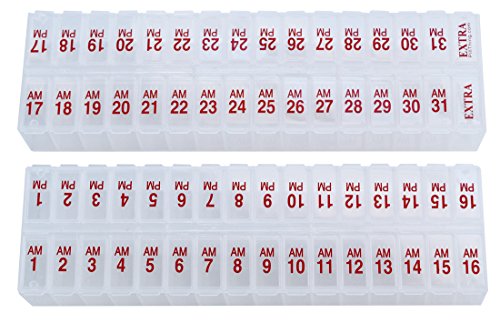 Monthly Pill Organizer with AM/PM Compartments Large compartments with easy-open lids for arthritic hands
 Pill Splitter with Blade Guard Safely cut pills in half with secure grip and V-shape guide
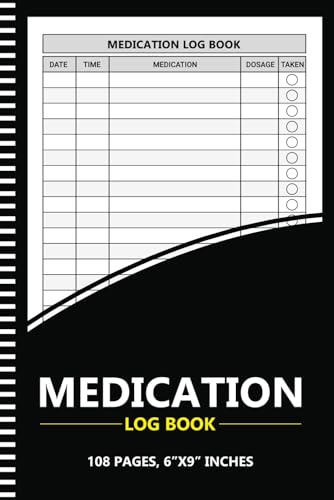 Medication Log Book Track all medications, dosages, and side effects in one organized place
Creating a Complete Medication List
A comprehensive, up-to-date medication list is the foundation of safe medication management. This list should accompany your parent to every doctor appointment, emergency room visit, and hospital stay.
What to Include
Your medication list should be thorough and detailed. For each medication, document:
- Medication name: Both generic and brand names
- Dosage strength: Exact milligrams or other units
- Frequency: How many times daily and specific timing
- Route: Oral, topical, injection, etc.
- Purpose: What condition it treats
- Prescribing doctor: Who prescribed it and when
- Special instructions: Take with food, avoid sunlight, etc.
- Start date: When your parent began taking it
Don't Forget These Items
Many caregivers forget to include non-prescription items that can still cause interactions:
- • Over-the-counter medications (pain relievers, antacids, laxatives, sleep aids)
- • Vitamins and supplements (including multivitamins, calcium, vitamin D)
- • Herbal products (St. John's Wort, ginkgo biloba, fish oil)
- • Eye drops and ear drops
- • Creams, ointments, and patches
- • Inhalers and nebulizer medications
Format and Accessibility
Keep your medication list in multiple formats:
- Digital copy: On your phone for quick access during emergencies
- Printed wallet card: In your parent's wallet or purse
- Full sheet: Posted on the refrigerator at home
- Cloud backup: Shared with family members who help with care
Update the list immediately whenever medications change. Review it monthly to ensure accuracy.
Understanding Each Medication
Simply knowing what medications your parent takes isn't enough. You need to understand why they take each one, how it works, and what to watch for.
Essential Questions to Ask
For every medication, get clear answers to these questions from the doctor or pharmacist:
What is this medication for?
Understand the specific condition being treated and how the medication helps.
How and when should it be taken?
Get specific timing, whether to take with food or on an empty stomach, and what to do if a dose is missed.
What are the common side effects?
Know which side effects are normal and which require immediate medical attention.
Are there foods, drinks, or activities to avoid?
Some medications interact with grapefruit, alcohol, or require avoiding sun exposure.
How long will my parent take this?
Some medications are temporary, others are lifelong. Understanding the timeline helps with planning.
Recognizing Side Effects
New symptoms in elderly parents are often attributed to aging when they're actually medication side effects. Common medication-related problems include:
- • Increased confusion or memory problems
- • Dizziness or falls
- • Digestive issues (nausea, constipation, diarrhea)
- • Changes in appetite or weight
- • Sleep disturbances
- • Mood changes or depression
Keep a symptom diary when starting new medications. Note any changes in your parent's condition and discuss them with their doctor promptly.
Pill Organizers and Tools
The right organizational tools transform medication management from chaotic to controlled. Choose tools based on your parent's cognitive abilities, dexterity, and the complexity of their medication regimen.
Pill Organizer Comparison
| Organizer Type | Best For | Pros | Cons |
|---|---|---|---|
| Daily Pill Box | Simple regimens with 1-2 medications taken once daily | Compact, portable, inexpensive | Limited capacity, requires daily refilling |
| Weekly 4-Times-Daily Organizer | Multiple medications taken throughout the day | Clear organization, weekly setup, easy to see missed doses | Bulky, can be confusing for those with dementia |
| Monthly Organizer | Stable medication regimens, organized caregivers | Less frequent filling, good for planning | Very large, expensive, medications may expire before use |
| Automatic Pill Dispenser | Complex regimens, memory issues, independent seniors | Alarms, locks, caregiver alerts, prevents double-dosing | Expensive ($80-300), requires electricity, learning curve |
| Blister Pack Service | Multiple medications, pharmacy partnership available | Professionally packaged, clear labeling, minimal setup | Pharmacy-dependent, less flexibility for changes |
Choosing the Right System
Consider these factors when selecting an organizer:
- Cognitive ability: Can your parent remember to take medications independently? Automatic dispensers with alarms help those with memory issues.
- Vision: Large compartments with clear labels work better for those with low vision. Some organizers feature raised Braille labels.
- Dexterity: Arthritis or tremors require easy-open compartments. Avoid tiny flip-tops.
- Number of medications: More than 8-10 pills daily typically requires a multi-compartment weekly organizer.
- Caregiver involvement: If you fill the organizer, choose one that's easy for you to use weekly.
Best Practices for Using Organizers
- • Fill organizers in a quiet, well-lit area to avoid errors
- • Use the original medication bottles as your reference
- • Fill at the same time each week to establish a routine
- • Double-check each compartment before closing
- • Keep a list of what should be in each compartment
- • Store organizers away from heat, light, and humidity
- • Check compartments regularly to ensure medications are being taken
Setting Up Reminder Systems
Even with the best organizers, reminders help ensure medications are taken on time. Effective reminder systems adapt to your parent's lifestyle and preferences.
Low-Tech Reminder Options
Simple solutions often work best, especially for seniors who aren't comfortable with technology:
- Alarm clocks or watches: Set alarms for each medication time. Simple and reliable.
- Written schedules: Post a large-print medication schedule on the refrigerator or bathroom mirror.
- Meal associations: Link medication times to regular activities like breakfast or bedtime.
- Timer caps: Bottle caps that display time since last opened.
- Caregiver phone calls: Daily check-in calls at medication times.
Medication Reminder Apps
For tech-comfortable seniors and caregivers, apps provide powerful features:
Medisafe
Comprehensive app with reminders, family sharing, and medication interaction checks. Free with premium features available.
Best for: Complex regimens with multiple caregivers
Pill Reminder by MyTherapy
Simple interface, tracks symptoms and measurements, generates health reports for doctors.
Best for: Seniors managing their own medications
CareZone
Organizes medications, appointments, and contacts. Photo storage for insurance cards and medical documents.
Best for: Caregivers managing multiple aspects of parent care
Creating a Sustainable Routine
The most effective reminder system integrates seamlessly into daily life:
- • Choose consistent times that align with daily routines
- • Keep medications visible in the location where they're taken
- • Use multiple reminder methods for critical medications
- • Build in backup reminders for medications with narrow timing windows
- • Review what's working monthly and adjust as needed
Remember that reminder systems should reduce stress, not create it. Start simple and add complexity only if needed. For more information on creating daily care routines, visit our health resources section.
Checking for Drug Interactions
Drug interactions occur when medications, supplements, foods, or beverages affect how a medication works. These interactions can reduce effectiveness, increase side effects, or create dangerous new problems.
Types of Interactions to Watch For
Drug-Drug Interactions
When two or more medications affect each other. Example: Blood thinners and aspirin increase bleeding risk.
Drug-Food Interactions
Foods that change medication absorption or effectiveness. Example: Grapefruit juice interferes with many medications including statins and blood pressure drugs.
Drug-Supplement Interactions
Vitamins and herbs that interfere with medications. Example: St. John's Wort reduces effectiveness of antidepressants and birth control.
Drug-Condition Interactions
Medications that worsen existing conditions. Example: Decongestants can raise blood pressure.
How to Check for Interactions
Use multiple methods to catch potential problems:
Online Interaction Checkers:
- Drugs.com Interaction Checker: Free, comprehensive database including prescription, OTC, and supplements
- Medscape Drug Interaction Checker: Professional-grade tool with detailed explanations
- RxList Interaction Checker: Easy-to-understand results with severity ratings
Professional Resources:
- Pharmacist consultations: Free service at most pharmacies, highly recommended
- Doctor medication reviews: Comprehensive analysis during appointments
- Pharmacy computer systems: Automatically flag interactions when filling prescriptions
Red Flags Requiring Immediate Action
Contact your parent's doctor or pharmacist immediately if you notice:
- • Unexpected bleeding or bruising
- • Severe dizziness or falls
- • Extreme drowsiness or inability to wake
- • Confusion or personality changes
- • Rapid heart rate or breathing problems
- • Severe nausea, vomiting, or diarrhea
- • New rash or allergic symptoms
Never stop medications without medical guidance, but don't ignore warning signs either. When in doubt, call the doctor or pharmacist.
Working with Pharmacists
Pharmacists are underutilized allies in medication management. They're medication experts who are more accessible than doctors and can provide valuable services beyond just filling prescriptions.
The One-Pharmacy Advantage
Using a single pharmacy for all medications provides critical safety benefits:
- Comprehensive interaction checking: The pharmacy's computer system can flag interactions across all medications.
- Complete medication history: Pharmacists see the full picture of what your parent takes.
- Relationship building: Familiar pharmacists recognize unusual patterns or potential problems.
- Simplified coordination: One point of contact for refills, questions, and concerns.
- Better insurance management: Single pharmacy tracks coverage and can suggest cost-saving alternatives.
Important Note:
If your parent uses both a retail pharmacy and mail-order service, make sure both systems are aware of all medications. Consider transferring everything to one provider.
Services Pharmacists Provide
Take advantage of these often-free pharmacy services:
Medication Therapy Management (MTM)
Comprehensive reviews of all medications to identify problems, suggest improvements, and ensure optimal therapy. Often covered by Medicare Part D.
Medication Synchronization
Aligning refill dates so all medications are ready on the same day each month, reducing trips and simplifying management.
Blister Packaging
Medications organized into individual dose packets labeled with date and time, eliminating the need for manual pill organizer filling.
Easy-Open Bottles
Non-childproof caps for seniors with arthritis or dexterity issues. Just ask your pharmacist to note this preference.
Large Print Labels
Enhanced labels for those with vision problems, making instructions easier to read.
Questions to Ask Your Pharmacist
Build a relationship by consulting your pharmacist regularly:
- • "Are there any interactions between these medications?"
- • "Is there a less expensive alternative with the same effectiveness?"
- • "What's the best way to take this medication?"
- • "What side effects should we watch for?"
- • "Can this medication be taken with my parent's other drugs?"
- • "Is there a simpler dosing schedule possible?"
Most pharmacists welcome these questions and can provide guidance without an appointment. Their expertise is free and immediately accessible.
Medication Reviews with Doctors
Regular comprehensive medication reviews with your parent's primary care physician are essential, especially as health conditions change or new specialists add medications.
When to Request a Medication Review
Schedule a dedicated medication review appointment when:
- • Your parent takes five or more medications
- • A new medication has been added by a specialist
- • Your parent has been hospitalized recently
- • You notice new symptoms or side effects
- • It's been more than a year since the last comprehensive review
- • Your parent's health status has changed significantly
- • Multiple medications treat the same condition
Preparing for the Appointment
Maximize the value of medication review appointments with preparation:
Bring to the Appointment:
- • Complete medication list including OTC and supplements
- • All prescription bottles in a bag
- • List of symptoms or concerns you've noticed
- • Questions about each medication
- • Records of recent specialist visits
- • Insurance information for cost discussions
The Deprescribing Conversation
Deprescribing means safely reducing or stopping medications that may no longer be needed or are causing more harm than good. This is increasingly recognized as important for elderly patients.
Ask your parent's doctor:
- • "Are all of these medications still necessary?"
- • "Could any medications be causing the new symptoms we're seeing?"
- • "Are there medications that could be safely reduced or eliminated?"
- • "What's the risk versus benefit of each medication at this stage?"
- • "Could we try a medication holiday for any of these?"
Success Story:
Many caregivers report that reducing their parent's medication burden improved alertness, reduced falls, and enhanced quality of life. One medication review eliminated 4 of 12 medications, and the parent felt significantly better within weeks.
Simplifying Medication Regimens
Work with the doctor to simplify when possible:
- • Switch from multiple daily doses to once-daily extended-release versions
- • Combine medications (combination pills reduce pill burden)
- • Align timing so medications are taken together
- • Use patches or long-acting injections instead of daily pills when appropriate
Simpler regimens improve adherence dramatically. Every reduction in complexity makes medication management more sustainable.
Safe Storage and Disposal
Proper medication storage maintains effectiveness and prevents accidental poisoning or misuse. Safe disposal protects the environment and prevents medications from reaching unintended users.
Storage Best Practices
Temperature and Humidity
Most medications should be stored at room temperature (68-77°F) in a dry location. Despite common practice, bathrooms are poor storage locations due to heat and humidity.
Best location: Bedroom dresser drawer or kitchen cabinet away from the stove
Light Protection
Keep medications in original containers, which protect from light. Dark amber pharmacy bottles specifically filter harmful light.
Exception: Weekly pill organizers are fine for short-term storage
Refrigerated Medications
Some medications require refrigeration. Store these away from food, clearly labeled, and never freeze unless specifically instructed.
Examples: Insulin, certain eye drops, some antibiotics
Safety Considerations
Protect vulnerable individuals from accidental medication access:
- • Store medications out of reach of grandchildren during visits
- • Use locking medication boxes if your parent has dementia and might take extra doses
- • Keep medications in a secured location if substance misuse is a concern
- • Store narcotics and controlled substances separately with extra security
- • Remove outdated medications promptly to prevent accidental use
Proper Disposal Methods
Never flush medications down the toilet or throw them in the trash unless specifically instructed. Use these safe disposal methods:
Drug Take-Back Programs (Best Option)
Many pharmacies, police stations, and hospitals have permanent medication drop boxes. The DEA sponsors National Prescription Drug Take-Back Days twice yearly.
Mail-Back Programs
Some pharmacies provide prepaid envelopes for mailing unused medications to authorized disposal facilities.
Home Disposal (Last Resort)
If no take-back option is available: Mix medications with unpalatable substances like dirt or cat litter, seal in a plastic bag, remove personal information from the bottle, and dispose in household trash.
Environmental Warning:
Flushing medications contaminates water supplies and harms aquatic life. Only flush medications on the FDA flush list, which includes specific controlled substances that are dangerous if accessed by others.
Check expiration dates every 6 months and dispose of expired medications promptly. Expired medications may lose effectiveness or, in rare cases, become harmful.
When Parents Resist Taking Medications
Medication resistance is one of the most frustrating challenges caregivers face. Understanding the underlying reasons and using strategic approaches can improve adherence without damaging your relationship.
Common Reasons for Resistance
Your parent may resist medications for legitimate reasons:
Unpleasant Side Effects
Nausea, dizziness, fatigue, or other side effects may make medications feel worse than the condition they treat. This is valid feedback requiring medical attention.
Too Many Pills
Taking 10-15 pills daily feels overwhelming and dehumanizing. Pill fatigue is real and understandable.
Loss of Independence
Complex medication regimens symbolize loss of control and declining health. Refusing medications may be an attempt to assert autonomy.
Cognitive Issues
Memory problems may make your parent forget they already took medications, leading to resistance when you offer them again. Or they may not remember what medications are for.
Cost Concerns
Seniors on fixed incomes may skip medications to save money, especially if they don't feel immediately sick without them.
Strategies That Work
Try these approaches when facing medication resistance:
- Listen first: Ask why they don't want to take the medication. The reason matters and might be addressable.
- Involve them in decisions: Present options when possible. "Would you prefer to take this in the morning or evening?"
- Simplify the regimen: Work with the doctor to reduce pills, adjust timing, or eliminate non-essential medications.
- Connect to what they value: "Taking this helps you stay strong enough to garden" is more compelling than "Doctor says you should."
- Address side effects: Don't dismiss complaints. Report them to the doctor and request adjustments.
- Start with critical medications: If they won't take everything, prioritize the most important ones.
- Use routine and consistency: Same time, same place, same process every day builds automatic compliance.
When to Involve the Doctor
Sometimes hearing information from the doctor carries more weight. Request a conversation between your parent and their physician about:
- • Why each medication is necessary
- • What happens if they don't take it
- • Whether there are alternatives with fewer side effects
- • Whether the medication can be stopped or reduced
Important Perspective:
At some point, quality of life may matter more than extending life by months. If medications make your parent miserable, having honest conversations about goals of care becomes essential. This is especially true for seniors with limited life expectancy. Learn more about these difficult conversations in our planning resources section.
What Not to Do
Avoid these approaches that damage trust and worsen resistance:
- • Don't hide medications in food (ethical and potentially dangerous)
- • Don't lecture or scold about non-compliance
- • Don't dismiss their concerns about side effects
- • Don't threaten or manipulate ("If you don't take these, I can't help you")
- • Don't make it a power struggle
Medication management requires partnership, not control. Respect, communication, and flexibility create better outcomes than rigid enforcement.
Frequently Asked Questions
How many medications does the average senior take?
The average senior aged 65 and older takes 4-5 prescription medications daily, with many taking 7 or more. This condition, known as polypharmacy, increases the risk of drug interactions and adverse effects. Nearly 40% of seniors take five or more medications, and about 20% take ten or more when you include over-the-counter drugs and supplements.
What is the best pill organizer for elderly parents?
The best pill organizer depends on your parent's needs. Weekly pill organizers with multiple daily compartments (morning, noon, evening, bedtime) work well for those taking several medications throughout the day. For seniors with cognitive issues or complex regimens, automatic pill dispensers with alarms provide the most security. These devices lock medications until the scheduled time and can alert caregivers if doses are missed. Consider your parent's dexterity, vision, and cognitive status when choosing.
How can I check if my parent's medications interact?
Use online interaction checkers like drugs.com or medscape.com to screen for interactions between medications. However, the most reliable method is consulting with your pharmacist, who can run comprehensive interaction reports through professional-grade databases. Your parent's doctor should also review all medications during appointments. Always include over-the-counter drugs, vitamins, and supplements in these checks, as they can interact with prescription medications just as seriously.
What should I do if my parent refuses to take their medications?
First, understand the reason for resistance. Are they experiencing side effects? Is the regimen too complicated? Do they feel it's not helping? Once you understand their concerns, discuss them with their doctor who may adjust dosages, change timing, or switch to different medications with fewer side effects. Simplify the regimen when possible by consolidating doses or eliminating non-essential medications. Connect medications to daily routines and focus on the most critical medications first. Avoid power struggles and respect their autonomy while ensuring they understand the consequences.
How often should medications be reviewed by a doctor?
Seniors should have a comprehensive medication review at least annually, and more frequently if they see multiple specialists, have been hospitalized, or experience new symptoms. Any hospitalization or emergency room visit should trigger a medication review, as hospital medications often differ from home medications and need reconciliation. If your parent takes five or more medications, request reviews every 6 months. These reviews should examine whether all medications are still necessary, check for interactions, and look for opportunities to simplify the regimen.
Can I crush or split my parent's medications to make them easier to take?
Never crush, split, or open medications without asking the pharmacist first. Many medications have special coatings for extended release or to protect the stomach. Crushing these can release too much medication at once, cause dangerous side effects, or reduce effectiveness. Some medications can be safely split or crushed, but you must verify with your pharmacist for each specific medication. They can tell you which ones are safe to modify and may suggest alternatives if your parent has difficulty swallowing pills.
What should I do if my parent misses a dose?
The answer depends on the specific medication and how much time has passed. For most medications, take the missed dose as soon as you remember unless it's close to the next scheduled dose. In that case, skip the missed dose and continue with the regular schedule. Never double up doses to make up for a missed one. For critical medications like anticoagulants, diabetes medications, or seizure medications, call the doctor or pharmacist for specific guidance. Keep the pharmacist's number readily available for these situations.
How can I reduce medication costs for my parent?
Several strategies can reduce medication expenses. Ask the doctor about generic alternatives, which are equally effective but much less expensive. Use prescription discount cards or programs like GoodRx. Check if your parent qualifies for Medicare Extra Help or pharmaceutical company patient assistance programs. Consider 90-day supplies instead of 30-day fills, which often cost less per dose. Ask your pharmacist about therapeutic alternatives that treat the same condition but cost less. Using a single pharmacy may also qualify for loyalty discounts. Learn more about managing healthcare costs in our financial planning section.
Medical Disclaimer
The information provided in this article is for educational purposes only and is not intended as medical advice. Medication management is a complex medical issue that requires professional oversight. Always consult with your parent's physician, pharmacist, or other qualified healthcare provider before making any changes to medication regimens.
Never stop, start, or adjust medications without medical guidance. The strategies and suggestions in this article should be implemented in consultation with healthcare professionals who know your parent's complete medical history. If you suspect a medication emergency, call 911 or seek immediate medical attention.
About the Author
This article was written by the ParentCareGuide Editorial Team, a group of caregiving experts, healthcare professionals, and experienced family caregivers dedicated to providing practical, evidence-based guidance for those caring for aging parents.
Need More Caregiving Resources?
Explore our comprehensive guides on health management, financial planning, and legal preparation for family caregivers.