
Recognizing and Preventing Caregiver Burnout
If you're caring for an aging parent, you already know that caregiving demands more than most people realize. What starts as helping with a few errands can gradually consume your entire life, leaving you exhausted, emotionally drained, and questioning whether you can continue. Understanding caregiver burnout symptoms isn't just about identifying a problem, it's about giving yourself permission to acknowledge what you're experiencing and take steps to protect your own wellbeing.
Caregiver burnout is not a sign of weakness or failure. It's a very real condition that affects millions of family caregivers every year, and recognizing the warning signs early can make the difference between sustainable caregiving and a health crisis. This comprehensive guide will help you identify the physical, emotional, and behavioral symptoms of burnout, understand why it happens, and most importantly, learn practical strategies to prevent and recover from it.
Whether you're just beginning your caregiving journey or you've been caring for your parent for years, the information in this guide can help you provide better care while protecting your own health and happiness. You deserve support too.
What Is Caregiver Burnout and How Does It Happen?
Caregiver burnout is a state of physical, emotional, and mental exhaustion that occurs when the demands of caregiving overwhelm your ability to cope. Unlike ordinary tiredness that improves with rest, burnout is a deeper depletion that affects every aspect of your life. It happens when you've been giving more energy, time, and emotional resources than you're able to replenish.
When you're burned out, you may feel like you have nothing left to give. Tasks that once felt manageable now seem impossible. You might feel detached from the person you're caring for, resentful of your responsibilities, or convinced that nothing you do makes a difference. These feelings can trigger intense guilt, creating a painful cycle that makes burnout even worse.
Prevalence of Caregiver Burnout
- 40-70% of family caregivers show significant symptoms of depression
- Over 50% of caregivers report that caregiving responsibilities are highly stressful
- 23% of caregivers report their own health has gotten worse due to caregiving
- Women caregivers are 2.5 times more likely to experience burnout than men
- Caregivers providing 36+ hours weekly are at highest risk for severe burnout
The reality is that family caregivers often provide care that would cost hundreds of thousands of dollars if provided professionally, yet do so with minimal training, support, or recognition. The economic value of family caregiving in the United States exceeds $470 billion annually, yet caregivers themselves frequently sacrifice their careers, retirement savings, social connections, and health.
Understanding that burnout is a predictable response to chronic stress and overwhelming demands, not a personal failing, is the first step toward addressing it effectively.
Gear that gives you a break
Burnout eases when the physical load eases. The equipment that most often takes daily strain off family caregivers, with our researched picks and Medicare coverage notes in each guide:
- Patient lifts, end the transfers that wreck caregiver backs
- Power wheelchairs, independence your parent controls, hours you get back
- Bathroom grab bars, fewer hovering-in-the-doorway showers
- Medical alert systems, coverage for the hours you cannot be there
What Are the Physical Warning Signs of Caregiver Burnout?
Your body often signals distress before your mind fully recognizes what's happening. Caregiver burnout symptoms manifest physically in ways that can significantly impact your health and ability to provide care. Pay attention to these warning signs:
Chronic Exhaustion
This goes far beyond normal tiredness. You wake up exhausted even after a full night's sleep. Simple tasks like showering or making breakfast feel overwhelming. You might need caffeine just to function, yet still feel drained throughout the day. This persistent fatigue doesn't improve with rest because it's rooted in emotional and mental depletion, not just physical exertion.
Frequent Illness and Weakened Immunity
Chronic stress suppresses your immune system, making you more susceptible to colds, flu, and infections. You might notice you're getting sick more often or that minor illnesses last longer than they used to. Wounds may heal more slowly. This happens because stress hormones like cortisol interfere with immune function when constantly elevated.
Sleep Disturbances
Burnout disrupts normal sleep patterns in multiple ways. You might struggle to fall asleep despite exhaustion, wake frequently during the night, or wake very early and be unable to return to sleep. Some caregivers sleep excessively but never feel rested. Racing thoughts about caregiving responsibilities often keep your mind active when your body desperately needs rest.
Physical Pain and Tension
Chronic stress manifests as physical tension throughout your body. You may experience frequent headaches, persistent back or neck pain, muscle aches, or jaw tension from clenching. Some caregivers develop stomach problems, digestive issues, or chest tightness. These physical symptoms are your body's way of signaling that stress levels have become unsustainable.
Significant Weight Changes
Burnout can cause significant weight gain or loss. Some caregivers eat more as a coping mechanism or rely on convenient processed foods due to time constraints. Others lose their appetite entirely or forget to eat while focused on caregiving tasks. Both extremes indicate that stress is disrupting your normal relationship with food and self-care.
When Physical Symptoms Require Immediate Attention
If you experience chest pain, difficulty breathing, severe headaches, vision changes, or other acute symptoms, seek medical attention immediately. Caregiver stress can increase your risk for heart disease, stroke, and other serious conditions. Don't dismiss warning signs.
What Are the Emotional Warning Signs of Caregiver Burnout?
The emotional toll of caregiver burnout can be even more devastating than the physical symptoms. These feelings often carry intense shame, making caregivers reluctant to acknowledge or discuss them. Remember that experiencing these emotions doesn't make you a bad person or caregiver, they're normal responses to abnormal stress levels.
Hopelessness and Despair
When burned out, you may feel like your situation will never improve, that you're trapped with no way out. The future feels bleak, and you struggle to see anything positive about your circumstances. This hopelessness is qualitatively different from sadness, it's a deep conviction that nothing will ever change, which can lead to severe depression if left unaddressed.
Irritability and Short Temper
Small annoyances that you'd normally brush off now trigger disproportionate anger or frustration. You might snap at your parent, family members, or friends over minor issues. This irritability often stems from emotional exhaustion, you simply don't have the internal resources left to regulate your emotions effectively. The guilt that follows these outbursts can intensify burnout.
Emotional Detachment and Numbness
As a protective mechanism, your mind may shut down emotionally. You feel numb or disconnected from your parent and others around you. Activities that once brought joy now feel meaningless. This emotional flatness isn't the same as depression's sadness, it's more like feeling nothing at all, going through the motions without genuine connection or feeling.
Anxiety and Constant Worry
Persistent anxiety becomes your baseline state. You worry constantly about your parent's safety, health changes, and what might go wrong. This hypervigilance makes it impossible to relax even during rare breaks. Some caregivers develop panic attacks, characterized by racing heart, difficulty breathing, and overwhelming fear.
Depression and Sadness
Clinical depression is significantly more common among caregivers experiencing burnout. You may feel persistently sad, cry frequently, or feel an overwhelming heaviness that makes everything harder. Loss of interest in activities you once enjoyed, feelings of worthlessness, and thoughts of self-harm are serious warning signs requiring immediate professional support.
Resentment and Guilt
You might feel resentful toward your parent, siblings who don't help, or even friends whose lives seem easier. These feelings typically trigger intense guilt, you know your parent didn't choose to need care, but you still feel angry about the situation. This resentment-guilt cycle is one of the most painful aspects of caregiver burnout.
It's Okay to Feel What You're Feeling
Every emotion listed here is valid and understandable given the extraordinary stress you're under. Feeling resentful, angry, or emotionally detached doesn't mean you don't love your parent. These feelings are signals that you need more support, not evidence that you're failing as a caregiver.
What Are the Behavioral Warning Signs of Caregiver Burnout?
Burnout doesn't just change how you feel, it changes how you act. These behavioral changes often develop gradually, making them easy to miss or rationalize. Others may notice these changes before you do.
Neglecting Your Own Responsibilities
You skip your own medical appointments, let bills pile up unpaid, or stop maintaining your home. Personal hygiene may slip, showering less frequently, wearing the same clothes for days, or neglecting dental care. These aren't signs of laziness but indicators that you're so depleted that even basic self-maintenance feels impossible.
Social Withdrawal and Isolation
You decline invitations, stop returning calls, and pull away from friends and family. Initially, this might be due to time constraints, but burnout makes isolation feel necessary, you simply don't have the energy for social interaction. This withdrawal deepens burnout by eliminating crucial support systems and creating a lonely cycle that's hard to break.
Changes in Caregiving Quality
You might become impatient with your parent, provide care mechanically without emotional connection, or cut corners on care tasks. Some caregivers become overly controlling or rigid. Others become careless about medication management or safety. These changes often trigger overwhelming guilt, but they're symptoms of burnout, not character flaws.
Increased Substance Use
Relying more heavily on alcohol, prescription medications, or other substances to cope with stress is a serious warning sign. What starts as an occasional glass of wine to unwind can escalate into dependency. Using substances to sleep, reduce anxiety, or escape reality temporarily only deepens the problem long-term.
Difficulty Concentrating and Making Decisions
Mental fog becomes constant. You forget appointments, misplace items frequently, or struggle to complete tasks that require focus. Making even simple decisions feels overwhelming because your cognitive resources are completely depleted. This isn't early dementia, it's your brain's response to chronic stress and exhaustion.
Warning Sign Combinations
If you're experiencing multiple symptoms across physical, emotional, and behavioral categories simultaneously, you're likely dealing with significant burnout. Don't wait until you reach a breaking point to seek help. Early intervention is far more effective.
Why Does Caregiver Burnout Happen?
Understanding the root causes of caregiver burnout helps you address it more effectively. Burnout isn't caused by a single factor but by the accumulation of chronic stressors that exceed your coping capacity.
Unrealistic Expectations
Many caregivers enter the role believing they should be able to handle everything themselves. You may think asking for help means you're weak or that you're the only person who can properly care for your parent. Cultural or family expectations might reinforce the belief that "good children" sacrifice everything for their parents. These unrealistic standards set you up for burnout from the start.
The reality is that professional caregivers work in shifts, have specialized training, and go home at the end of their shifts to rest. Family caregivers often provide round-the-clock care with no training, no breaks, and no acknowledgment that what they're doing is actually impossible to sustain alone.
Lack of Control
Caregiving often involves managing situations that are fundamentally beyond your control. Your parent's condition may deteriorate despite your best efforts. Medical systems, insurance companies, and social services create obstacles you can't overcome alone. This lack of control creates learned helplessness, the feeling that your actions don't make a difference, which is emotionally exhausting.
Role Confusion and Identity Loss
The shift from being a child to being your parent's caregiver creates profound role confusion. You're making medical decisions, managing finances, and handling intimate personal care, reversing the parent-child dynamic you've known your entire life. Meanwhile, you may have lost your sense of identity beyond being a caregiver, especially if you've left your career or given up activities that once defined you.
Social Isolation
Caregiving can be profoundly isolating. Friends may drift away, unable to understand your situation or uncomfortable with the topic of aging and decline. You might feel unable to leave your parent's side or too exhausted for social activities during rare free time. This isolation eliminates the social support that's crucial for resilience and mental health.
Financial Strain
Many caregivers reduce work hours, leave jobs entirely, or use their own savings to cover caregiving costs. The financial pressure of lost income combined with caregiving expenses creates constant anxiety. This economic stress compounds emotional and physical burnout, especially when you're sacrificing your own retirement security.
Lack of Recognition
Family caregiving is often invisible labor. There's no paycheck, performance review, or public recognition for the complex, skilled work you're doing. Even family members may take your efforts for granted. This lack of acknowledgment makes burnout worse, you're exhausted from demanding work that nobody seems to notice or value.
What Is the Difference Between Caregiver Stress and Burnout?
While stress and burnout are related, they're distinct experiences requiring different responses. Understanding this difference helps you identify where you are and what kind of support you need.
| Aspect | Stress | Burnout |
|---|---|---|
| Characterized by | Over-engagement | Disengagement |
| Emotions | Overactive, anxious | Numb, emotionally flat |
| Primary feeling | Urgency, hyperactivity | Helplessness, hopelessness |
| Energy level | Nervous energy | Complete depletion |
| Damage | Physical health primarily | Emotional and mental health |
| Outlook | If I can get control, things will improve | Nothing I do makes a difference |
| Recovery | Rest and reduced demands help | Requires significant intervention |
Think of stress as being like drowning in responsibilities, you're desperately trying to keep your head above water, believing that if you can just manage better or work harder, you'll be okay. Burnout is like drowning in a sea of emptiness, you've given up struggling because you no longer believe rescue is possible.
Another key distinction: stressed caregivers can still imagine feeling better. Burned-out caregivers struggle to imagine any positive change. If you've reached the point where you can't envision relief or improvement, you're likely experiencing burnout rather than stress alone.
How Can You Tell If You Are Experiencing Caregiver Burnout?
This self-assessment checklist can help you evaluate your current state. Check any statements that apply to you over the past few weeks:
Physical Symptoms
Emotional Symptoms
Behavioral Symptoms
Interpreting Your Results
- 0-3 checked: You may be experiencing normal caregiving stress. Continue monitoring and maintain self-care practices.
- 4-7 checked: You're showing early signs of burnout. Take action now to increase support and self-care before symptoms worsen.
- 8-12 checked: You're experiencing significant burnout. Seek help immediately through respite care, counseling, or support groups.
- 13+ checked: You're at severe risk. Contact your doctor, a mental health professional, or a caregiver support organization today. This level of burnout is a health crisis.
Want a more detailed assessment?
Our interactive Caregiver Burnout Assessment Tool provides a personalized score with specific recommendations.
Take the Burnout AssessmentHow Can You Prevent Caregiver Burnout?
Preventing caregiver burnout is far easier than recovering from it. These strategies require you to challenge the belief that good caregiving means self-sacrifice. The truth is that taking care of yourself enables you to provide better care for your parent.
Set Realistic Expectations and Boundaries
You cannot do everything, and you cannot do it perfectly. Accept this reality now rather than learning it through burnout. Identify what's truly essential and what can be good enough. Establish clear boundaries around your time, energy, and what you're willing and able to do.
This might mean telling family members you're unavailable certain hours each day, accepting that your house won't be perfectly clean, or acknowledging that some tasks need to be delegated or hired out. Setting boundaries isn't selfish, it's essential for sustainability.
Ask for and Accept Help
Many caregivers struggle to ask for help, viewing it as admission of failure. Reframe this: accepting help demonstrates wisdom and commitment to providing sustainable care. Be specific when asking, instead of "Let me know if you can help," try "Can you bring dinner on Tuesday?" or "Could you stay with Mom this Saturday afternoon?"
Create a list of specific tasks others could do: grocery shopping, lawn care, prescription pickups, paperwork management, or sitting with your parent while you attend an appointment. Most people genuinely want to help but don't know how.
Establish Non-Negotiable Self-Care Routines
Self-care isn't optional or indulgent, it's as essential as taking prescribed medication. Identify small, sustainable practices you can maintain even on difficult days. This might include:
- 15 minutes of morning coffee before caregiving begins
- A short walk, even just around the block
- Maintaining one hobby or interest, even in modified form
- Regular phone calls with a friend
- Consistent sleep and wake times
- Eating regular, nutritious meals
- Continuing activities that connect you to your identity beyond caregiving
Schedule these activities like medical appointments, they're that important. When you're tempted to skip them, remember that burnout will ultimately make you less effective as a caregiver.
Stay Connected to Your Support Network
Isolation accelerates burnout. Maintain connections with friends and family, even when it feels difficult. Join a caregiver support group where you can talk with others who truly understand your experience. Online support groups offer flexibility if in-person meetings are challenging.
Visit our Caregiver Wellness resources for support group listings and connection opportunities.
Maintain Your Physical Health
Keep your own medical appointments, take prescribed medications, and address health concerns promptly. Physical health problems compound emotional stress. If your parent's appointments take priority, schedule your own on the same days or ask someone else to take your parent occasionally so you can attend to your health.
Practice Stress Management Techniques
Develop tools for managing acute stress in the moment. Deep breathing exercises, progressive muscle relaxation, brief meditation, or even stepping outside for fresh air can help reset your nervous system. These don't eliminate caregiving challenges, but they help you respond more effectively.
The 5-Minute Reset
When overwhelmed, try this quick reset: Step outside or to a quiet space. Close your eyes and take 5 slow, deep breaths, counting to 4 on the inhale and 6 on the exhale. This activates your parasympathetic nervous system, reducing stress hormones. Just 5 minutes can create meaningful change.
Focus on What You Can Control
You cannot control your parent's disease progression, others' judgments, or systemic healthcare failures. You can control your own actions, boundaries, and responses. When feeling overwhelmed, identify specifically what's within your control and focus your energy there. Accepting what you cannot change reduces the exhausting illusion that you should be able to fix everything.
How Do You Find and Use Respite Care?
Respite care, temporary relief from caregiving responsibilities, is one of the most effective burnout prevention tools. Yet many caregivers resist using it, feeling guilty about needing a break or believing no one else can care for their parent adequately. This thinking is both understandable and dangerous.
Types of Respite Care
In-Home Respite
A trained caregiver comes to your home for a few hours or days, allowing you to leave knowing your parent is supervised. This option works well for parents who are uncomfortable in new environments.
Adult Day Care Centers
Your parent attends a structured program during daytime hours, receiving meals, activities, and socialization while you work or rest. Many programs accommodate specific conditions like dementia.
Short-Term Residential Respite
Your parent stays temporarily in an assisted living facility, nursing home, or specialized respite facility for days or weeks. This allows for extended breaks during particularly stressful periods or for your own vacation.
Emergency Respite
Crisis respite available when you face an emergency, illness, or are at risk of burnout. Some programs specifically serve caregivers in crisis situations.
How to Find Respite Care Resources
- Eldercare Locator: Call 1-800-677-1116 or visit eldercare.acl.gov to find local services
- Area Agency on Aging: Your local agency can connect you with respite programs and potentially subsidized care
- ARCH National Respite Network: Visit archrespite.org to search their national database
- Your parent's healthcare provider: Ask for social worker referrals to respite resources
- Faith communities: Many offer volunteer respite programs for members
- Veterans services: If your parent is a veteran, VA benefits may cover respite care
- Medicaid: Some state Medicaid programs cover respite care for eligible individuals
Overcoming Guilt About Using Respite
It's normal to feel guilty about needing breaks from caregiving. You might worry your parent will feel abandoned, fear judgment from others, or believe that good caregivers should never need help. Challenge these thoughts:
- Taking breaks makes you a better caregiver, not a worse one
- Your parent benefits from your mental and physical health
- Respite prevents the burnout that could end your ability to provide care entirely
- Professional caregivers have built-in breaks; you deserve the same
- Your wellbeing matters independently, not just as it relates to caregiving
Start with small respite periods to build comfort with the process. Even a few hours weekly can significantly reduce burnout risk. For more information on daily caregiving tasks and routines, visit our Daily Care section.
When Should You Seek Professional Help for Caregiver Burnout?
Some burnout situations require professional intervention. Recognizing when you've reached this point isn't weakness, it's wisdom. Seek professional help if you experience any of the following:
Immediate Professional Help Needed If You Experience:
- • Thoughts of harming yourself or your parent
- • Inability to function in daily tasks
- • Severe depression lasting more than two weeks
- • Panic attacks or overwhelming anxiety
- • Substance abuse or dependency developing
- • Complete emotional breakdown or inability to cope
- • Neglecting your parent's safety due to your condition
Types of Professional Support
Individual Therapy or Counseling
A licensed therapist specializing in caregiver issues can help you process emotions, develop coping strategies, and work through the complex feelings caregiving evokes. Cognitive-behavioral therapy (CBT) is particularly effective for caregiver burnout.
Caregiver Support Groups
Professional-led support groups provide structured environments to share experiences, learn from others, and feel less isolated. The validation from others who truly understand can be powerfully healing.
The equipment that changes the most
Most of what caregiving costs is time. These four are the purchases that reliably buy some of it back, and they are the ones families tell us they wish they had bought sooner.
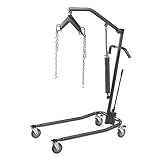 Drive Medical Hydraulic Patient Lift
A full lift is what makes one person able to manage a transfer alone. It is the single purchase that most often delays a move into residential care.
Check price on Amazon → EZ-ACCESS Singlefold Wheelchair Ramp, 6 ft
Folds like a suitcase and carries in a car boot, so the same ramp handles the front step at home and the kerb at an appointment.
Check price on Amazon → Drive Medical Nitro Rollator with Seat
The seat matters more than the wheels. Being able to stop and rest is what decides whether someone still goes out at all.
Check price on Amazon → Vive Stand Assist Rail for Couch or Chair
Getting out of a low sofa is where most falls at home start. This is the cheapest thing on the list and often the first one needed.
Check price on Amazon →As an Amazon Associate we earn from qualifying purchases, at no extra cost to you. Researched guidance, not medical advice. Prices change, so check before buying.
Medical Consultation
Schedule an appointment with your primary care physician to discuss your physical and mental health symptoms. They can rule out medical causes, prescribe medication if appropriate, and refer you to specialists.
Care Management Services
Professional geriatric care managers can assess your situation, coordinate services, navigate healthcare systems, and reduce the logistical burden that contributes to burnout.
How to Find Mental Health Support
- Ask your primary care doctor for referrals to therapists experienced with caregiver issues
- Contact your insurance company for in-network mental health providers
- Use Psychology Today's therapist finder at psychologytoday.com
- Contact the Caregiver Action Network (caregiveraction.org) for support resources
- Check if your employer offers an Employee Assistance Program (EAP) with free counseling sessions
- Contact local Area Agency on Aging for caregiver support programs
- Explore teletherapy options for greater flexibility and accessibility
Cost Concerns
If cost is a barrier, ask about sliding-scale fees, look for community mental health centers that offer reduced-cost services, or contact local universities with counseling programs that offer supervised therapy at reduced rates. Some support groups are free. Your mental health is worth the investment.
How Do You Build a Caregiver Support System?
No one can sustain long-term caregiving alone. Building a robust support system is essential for preventing and managing burnout. This system should include both practical help and emotional support.
Identify Your Support Team
Your support team might include family members, friends, neighbors, faith community members, professional services, and other caregivers. Map out who in your life could potentially help with different types of support:
- Practical help: People who can run errands, provide meals, do yard work, or handle repairs
- Direct care support: Those willing to sit with your parent so you can take breaks
- Emotional support: Friends or family you can talk to honestly about your feelings
- Information support: People who can research resources, navigate systems, or handle paperwork
- Financial support: Family members who might contribute financially to care costs or hire services
- Professional support: Healthcare providers, therapists, care managers, and support group members
How to Ask for Specific Help
Generic offers to help often go unused because you don't want to burden others or don't know what to ask for. Make it easy for people to help by being specific:
Instead of:
"Let me know if you can help sometime."
Try:
- "Could you bring dinner on Tuesday evening?"
- "Would you be willing to sit with Dad every other Saturday afternoon for three hours?"
- "Can you pick up these three items at the grocery store this week?"
- "Would you handle calling insurance companies about this claim?"
- "Could you mow the lawn every two weeks this summer?"
Family Meetings and Care Coordination
If you have siblings or other family members, regular family meetings (in-person or virtual) help distribute responsibilities and prevent resentment. Come to these meetings prepared:
- Create a written list of all caregiving tasks and their frequency
- Be clear about what you're currently doing and what needs to be shared
- Listen to others' constraints and capabilities without judgment
- Document who agrees to what and create accountability systems
- Discuss financial contributions from those who can't provide hands-on help
- Schedule the next meeting before ending the current one
Join Caregiver Communities
Connecting with other caregivers who understand your experience provides validation and practical wisdom that even well-meaning friends can't offer. Options include:
- Local caregiver support groups through hospitals, senior centers, or aging agencies
- Condition-specific support groups (Alzheimer's Association, Parkinson's Foundation, etc.)
- Online caregiver forums and Facebook groups for flexibility and 24/7 access
- Caregiver education programs that combine skill-building with peer support
Set Communication Boundaries
Well-meaning people often ask for constant updates or offer unsolicited advice that drains your energy. Create boundaries around caregiving communication: designate one family member to update others, use group messaging for updates rather than individual calls, or direct people to a shared online journal. You don't owe everyone detailed explanations of your caregiving decisions.
Frequently Asked Questions
What are the first signs of caregiver burnout?
The earliest signs of caregiver burnout often include persistent exhaustion that doesn't improve with rest, increased irritability or impatience, difficulty sleeping, frequent headaches or body aches, and withdrawing from friends and activities you once enjoyed. Many caregivers also notice they're getting sick more often or feeling emotionally numb.
How is caregiver burnout different from regular stress?
While stress involves feeling overwhelmed but still hopeful that things will improve, burnout is characterized by feeling emotionally exhausted, detached, and hopeless about the situation changing. Stressed caregivers are over-engaged; burned-out caregivers feel disengaged and defeated. Stress can be motivating in small doses, but burnout leaves you feeling completely depleted.
Can caregiver burnout lead to serious health problems?
Yes, chronic caregiver burnout can lead to serious physical and mental health issues including weakened immune system, high blood pressure, heart disease, diabetes, depression, anxiety disorders, and increased risk of premature death. Studies show caregivers experiencing burnout have a 63% higher mortality rate than non-caregivers.
What should I do if I'm experiencing caregiver burnout?
First, acknowledge that burnout is real and not a personal failure. Seek immediate respite care to get a break, even if just for a few hours. Talk to your doctor about your symptoms, consider professional counseling, and reach out to caregiver support groups. Start small with self-care activities and don't hesitate to ask family members or friends for specific help.
How can I prevent caregiver burnout before it starts?
Prevention strategies include setting realistic expectations about caregiving, establishing clear boundaries, scheduling regular respite care, maintaining your own health appointments, staying connected with friends and support networks, accepting help from others, and creating a sustainable daily routine that includes time for yourself. Even 15-30 minutes of self-care daily can make a significant difference.
Is it normal to feel resentful as a caregiver?
Yes, feeling resentful is a common and normal emotion among caregivers, especially when experiencing burnout. These feelings don't mean you don't love your parent or that you're a bad caregiver. They're often a signal that your own needs aren't being met. Acknowledging these feelings without judgment and seeking support is important for your mental health.
Where can I find respite care for my parent?
Respite care options include adult day care centers, in-home respite services, temporary residential facilities, volunteer respite programs through religious organizations, and professional home health aides. Contact your local Area Agency on Aging, search the ARCH National Respite Network, or ask your parent's healthcare provider for local resources.
How much respite care do caregivers need?
While needs vary, most experts recommend caregivers take at least a few hours off each week, with longer breaks of a full day or weekend monthly. If you're providing round-the-clock care, daily breaks are essential. The goal is regular, consistent respite rather than waiting until you're completely exhausted.
Mental Health & Crisis Resources
Crisis Support
- 988 Suicide & Crisis Lifeline Call or text 988 (24/7)
- Crisis Text Line Text HOME to 741741 (24/7)
- SAMHSA National Helpline 1-800-662-4357 (24/7)
Caregiver Support Organizations
- Caregiver Action Network caregiveraction.org | 202-454-3970
- Family Caregiver Alliance caregiver.org | 800-445-8106
- Eldercare Locator eldercare.acl.gov | 800-677-1116
- ARCH National Respite Network archrespite.org | 703-256-2084
What Should You Remember About Caregiver Self-Care?
Recognizing caregiver burnout symptoms is the essential first step toward protecting your health and sustaining your ability to care for your parent. Burnout isn't a character flaw or personal failing, it's a predictable response to the extraordinary demands of family caregiving. Every symptom you've read about in this guide is your body and mind signaling that the current situation is unsustainable.
The most important truth to internalize is this: taking care of yourself isn't selfish. It's not optional. It's not something to do "if there's time." Your wellbeing is a prerequisite for sustainable caregiving. When you're depleted, resentful, or ill, you cannot provide the quality of care your parent deserves or that you want to give.
Start small if you need to. You don't have to implement every prevention strategy immediately. Choose one thing, scheduling 15 minutes for yourself daily, asking one person for one specific type of help, or researching respite care options in your area. Small changes accumulate into meaningful improvement.
If you're already deep in burnout, please know that recovery is possible. Reach out for professional support, accept help from others, and give yourself the same compassion you extend to your parent. You're doing important, difficult work that deserves recognition and support. You matter not just as a caregiver, but as a person with your own needs, dreams, and right to wellbeing.
Remember:
Caregiving is a marathon, not a sprint. Protecting yourself from burnout isn't about being perfect, it's about being sustainable. Your parent needs you healthy, present, and emotionally available far more than they need you to sacrifice everything.
Need More Support?
Explore our comprehensive resources for family caregivers navigating the challenges of parent care.
Medical Disclaimer: The information provided in this article is for educational purposes only and should not replace professional medical advice, diagnosis, or treatment. Always consult with qualified healthcare providers regarding your specific situation.
Last Updated: 2026 | Author: ParentCareGuide Editorial Team