When disaster strikes, elderly adults face unique challenges. Limited mobility, chronic health conditions, medication dependencies, and cognitive issues can turn a manageable emergency into a crisis. The time to prepare is before anything happens. This guide helps you create a comprehensive emergency plan for your aging parent.
As an Amazon Associate, we earn from qualifying purchases.
Recommended Emergency Preparedness Products
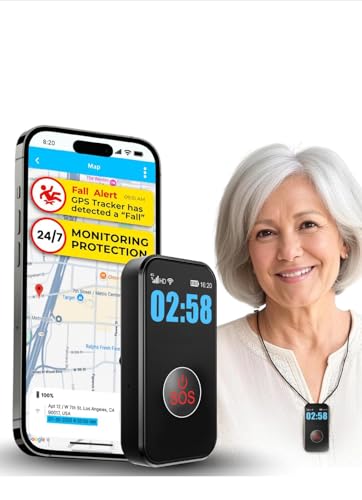 Medical Alert System One-button emergency help 24/7 - critical for seniors
 Emergency Kit for Seniors 72-hour supplies including medications organizer
 Battery-Powered Motion Lights Safe navigation during power outages
 Weather Alert Radio Loud alerts for severe weather warnings
Why Seniors Need Extra Emergency Planning
Older adults are disproportionately affected by disasters. Understanding their vulnerabilities helps you plan better.
Physical Vulnerabilities
- Mobility limitations: Difficulty evacuating quickly, navigating stairs, or walking long distances
- Temperature sensitivity: Higher risk of hypothermia and heat stroke
- Medication dependence: Interruption in medication can be life-threatening
- Medical equipment: Oxygen, dialysis, CPAP machines require power
- Chronic conditions: Diabetes, heart disease, COPD require ongoing management
- Sensory impairments: May not hear alarms or see hazards
Cognitive and Emotional Factors
- Dementia: May not understand the emergency or follow instructions
- Anxiety: Emergencies can trigger panic, especially in unfamiliar situations
- Stubbornness: May refuse to evacuate or follow safety protocols
- Disorientation: Being away from home can worsen confusion
Social Isolation Risks
- Living alone: No one to check on them or help evacuate
- Limited transportation: May not drive or have access to a vehicle
- Communication barriers: May not have cell phones or internet access
- Distance from family: Adult children may not be nearby to help
Sobering Statistics
Seniors make up a disproportionate number of disaster fatalities. During Hurricane Katrina, over 70% of victims were over 60. During heat waves, seniors account for the vast majority of deaths. Preparation saves lives.
Emergency Kit Checklist for Seniors
Every senior should have a prepared emergency kit that can sustain them for at least 72 hours, ideally a week.
Basic Supplies
- Water: One gallon per person per day (minimum 3-day supply)
- Food: Non-perishable, easy-to-open items they can actually eat (consider dietary restrictions, dental issues)
- Manual can opener: If bringing canned food
- Flashlight: With extra batteries (consider a hand-crank model)
- Battery-powered or hand-crank radio: For emergency information
- First aid kit: Including any specialty supplies they need
- Whistle: To signal for help
- Dust masks: For air quality issues
- Plastic sheeting and duct tape: For sheltering in place
- Garbage bags and plastic ties: For sanitation
- Wrench or pliers: To turn off utilities
Senior-Specific Items
- Medications: 7-14 day supply in waterproof container
- Medication list: All drugs, dosages, prescribing doctors
- Medical equipment: Extra batteries, backup power options
- Eyeglasses: Backup pair if possible
- Hearing aids: With extra batteries
- Dentures: With cleaning supplies
- Mobility aids: Cane, walker (consider a lightweight backup)
- Incontinence supplies: If needed
- Blood pressure monitor: If they use one regularly
- Blood glucose monitor and supplies: For diabetics
Comfort and Personal Items
- Change of clothes: Including warm layers
- Comfortable shoes: Sturdy, already broken in
- Blanket or sleeping bag
- Personal hygiene items: Toothbrush, soap, hand sanitizer
- Comfort items: Photos, small meaningful objects
- Books, puzzles, or cards: To pass time
- Cash: Small bills, in case ATMs don't work
Storage Tips
Store the emergency kit in an easy-to-grab location. Use a rolling suitcase for easy transport if mobility is limited. Check and update supplies every 6 months, rotate food and water, update medications, check battery expiration.
Medication Emergency Planning
For many seniors, medication interruption is the most dangerous aspect of an emergency.
Building an Emergency Supply
- Talk to their doctor: Request prescriptions for emergency supply
- Ask about early refills: Some insurance allows this for emergencies
- Use mail-order: Often provides 90-day supply
- Rotate stock: Use oldest medications first, replace with new
- Store properly: Waterproof container, appropriate temperature
Critical Medication List
Create a detailed medication document including:
- Drug name (brand and generic)
- Dosage and frequency
- Prescribing doctor and phone number
- Pharmacy name, address, and phone
- What the medication treats
- What happens if doses are missed
- Special storage requirements
Keep copies in the emergency kit, your home, and digitally (email to yourself, cloud storage).
Controlled Substances
Medications like opioids, benzodiazepines, and some sleep aids are harder to stockpile.
- Talk to the prescribing doctor about emergency protocols
- Some states have emergency dispensing provisions
- Keep documentation of prescription ready
- Know withdrawal symptoms and management
Refrigerated Medications
Insulin and some other medications require refrigeration.
- Know how long medications can be unrefrigerated
- Have a cooler and ice packs ready
- Consider a small generator or battery backup for refrigerator
- Know signs that medication has gone bad
Essential Documents to Have Ready
In an evacuation, you may need to prove identity, medical history, and insurance coverage quickly.
Document Checklist
- Photo ID: Driver's license or state ID
- Medicare/Medicaid cards: Copies of both sides
- Insurance cards: Health, prescription, supplemental
- Social Security card: Or number documented
- Medication list: Current and complete
- Medical summary: Diagnoses, allergies, doctors
- Advance directives: Living will, healthcare proxy
- Power of attorney documents: If applicable
- Emergency contacts: Family, doctors, pharmacy
- Recent photos: In case of separation (especially important for dementia)
Storage Options
- Waterproof container: In the emergency kit
- USB drive: Encrypted digital copies
- Cloud storage: Accessible from anywhere
- Email to yourself: Backup access
- Copies at family members' homes
Evacuation Planning
If they need to leave home, having a plan prevents dangerous decisions in the moment.
Evacuation Destinations
Identify multiple options:
- Family or friends: Within driving distance but outside danger zone
- Public shelters: Know which accommodate medical needs
- Hotels: Have a list of options along evacuation routes
- Assisted living or nursing homes: Some accept temporary evacuees
Transportation Plan
- Primary: Who will drive them? Is their vehicle accessible?
- Backup: What if primary driver isn't available?
- Public evacuation: Many areas offer special transportation for seniors/disabled
- Ride services: Uber, Lyft, local taxi companies
- Medical transport: For those with significant needs
Evacuation Route Planning
- Identify multiple routes out of the area
- Consider traffic, leave early before congestion
- Plan for frequent bathroom stops
- Note accessible gas stations and rest areas
- Have paper maps (GPS may not work)
Shelter Considerations
Public shelters may not accommodate all needs:
- Special needs shelters: Many areas have shelters for those with medical needs, register in advance
- Medications: Bring all medications; shelter medical staff may be limited
- Equipment: Bring any medical equipment needed
- Comfort: Cots may be uncomfortable; bring cushions if possible
- Privacy: Limited in shelters; bring eye masks, earplugs
Register in Advance
Many communities maintain registries of residents with special needs for emergency services. Register your parent now, this helps emergency responders know who needs assistance during evacuations.
Preparing for Power Outages
Extended power outages are increasingly common and particularly dangerous for seniors.
Temperature Safety
Heat:
- Know signs of heat exhaustion and heat stroke
- Have battery-powered fans
- Know cooling center locations
- Plan to move them if AC will be out during heat wave
Cold:
- Have warm clothing and extra blankets
- Know safe heating alternatives (avoid carbon monoxide risks)
- Plan to move them if heat will be out during cold snap
- Know hypothermia signs
Medical Equipment Power
- Register with utility: Priority restoration for medical equipment users
- Battery backups: For CPAP, oxygen concentrators, etc.
- Generator: Consider a portable generator; learn safe operation
- Know equipment run times: How long on battery? How long until backup runs out?
- Manual alternatives: For some equipment, have non-electric backups
- Equipment company contacts: Emergency delivery, replacement
Food Safety
- Have shelf-stable foods that don't require cooking
- Know food safety rules (refrigerator safe 4 hours if unopened)
- Have manual can opener
- Stock foods that meet dietary restrictions
Planning for Special Needs
Dementia
- ID bracelet: They should wear identification at all times
- Recent photos: In case of separation
- Routine maintenance: Try to keep schedules consistent
- Comfort items: Familiar objects reduce anxiety
- Never leave alone: During emergencies especially
- Simple instructions: If cognitive ability allows
- Wandering prevention: Extra vigilance during disruption
Mobility Impairments
- Evacuation assistance: Know who will help and how
- Wheelchair/walker: Have backup if possible
- Accessible shelter: Confirm destination is accessible
- Transfer equipment: If needed, have available
- Stair evacuation: If in multi-story building, have a plan
Oxygen Users
- Portable concentrator: With charged batteries
- Backup tanks: Know how long they last
- Generator: For home concentrator
- Supplier emergency number: For emergency delivery
- Evacuation planning: Oxygen is flammable, plan accordingly
Dialysis Patients
- Contact dialysis center: Know emergency protocols
- Medicare Dialysis Emergency Hotline: Know the number
- Alternative centers: Identify backup locations
- Emergency diet: Know dietary restrictions if dialysis delayed
Communication Plans
When disaster strikes, staying in contact becomes both critical and challenging.
Contact Information
- Emergency contact card: In wallet, on refrigerator, in emergency kit
- Out-of-area contact: Someone outside the affected area for family to check in with
- Neighbor contacts: Someone who can check on them quickly
- Doctor and pharmacy numbers
- Local emergency services: Non-911 numbers for police, fire
Communication Devices
- Cell phone: Charged, with backup battery/charger
- Landline: Traditional landlines may work when cell towers are down
- Medical alert system: Know if it works during power outages
- Battery radio: For emergency broadcasts
Check-In Plans
- Regular check-in schedule: Daily calls during emergencies
- Text vs. call: Texts often work when calls don't
- Social media: Can be used to communicate status
- Predetermined meeting location: If separated and can't communicate
Program Phones Now
Program emergency contacts into your parent's phone with ICE (In Case of Emergency) prefix, "ICE Daughter," "ICE Son." First responders know to look for these. Also add your number to their medical alert bracelet or ID.