Home Safety Checklist for Aging Parents: Complete Room-by-Room Guide
By ParentCareGuide Editorial Team
|
Last Updated: 2026
|
12 min read
Every year, one in four Americans aged 65 and older experiences a fall, with the majority occurring at home. This comprehensive home safety checklist for elderly parents provides actionable steps to prevent accidents, maintain independence, and create a secure living environment for your aging loved ones.
Creating a safe home environment for aging parents is one of the most important steps you can take to protect their health, independence, and quality of life. As mobility decreases and balance becomes more challenging, everyday household features can transform into serious safety hazards.
This detailed guide walks you through every room in your parent's home with specific, actionable checklist items. You'll learn which modifications provide the most protection, realistic cost estimates for safety improvements, and how to prioritize changes based on your parent's specific needs and your budget.
Why Home Safety Matters for Aging Parents
Understanding the scope of home safety risks helps prioritize modifications and investments. The statistics paint a sobering picture of why proactive safety measures are critical.
Critical Fall Statistics
-
•
Over 3 million older adults are treated in emergency departments for fall injuries annually
-
•
One out of five falls causes serious injury such as broken bones or head trauma
-
•
Falls are the leading cause of fatal and non-fatal injuries among adults 65 and older
-
•
More than 95% of hip fractures are caused by falling, typically by falling sideways
-
•
Over 800,000 patients are hospitalized annually due to fall injuries
The Real Cost of Falls
Beyond the physical injuries, falls carry significant financial and emotional costs. The average hospital cost for a fall injury is over $35,000. Medicare costs for fall-related injuries exceed $50 billion annually. More importantly, falls often trigger a cascade of decline including fear of falling, reduced activity, loss of independence, and potential move to assisted living.
The good news is that falls are not an inevitable part of aging. Most falls are preventable through environmental modifications, which is exactly what this home safety checklist for elderly parents addresses. By systematically assessing and improving home safety, you can significantly reduce fall risk while supporting your parent's continued independence.
As an Amazon Associate, we earn from qualifying purchases.
Recommended Home Safety Products
Bathroom Safety Checklist

The bathroom presents the highest risk for falls among all rooms in the home. Slippery surfaces, confined spaces, and the need to transfer on and off the toilet create multiple hazard points. Prioritize these bathroom modifications above all other rooms.
Estimated Cost Range: $200 - $8,000+
Basic modifications (grab bars, mats, raised toilet): $200-$800 | Walk-in tub or accessible shower: $3,000-$8,000+
Essential Bathroom Modifications
Install grab bars near toilet - Mount a grab bar on the wall next to the toilet at 33-36 inches high. Must support 250-300 pounds and be anchored into wall studs. Cost: $50-$150 per bar plus installation.
Add grab bars in shower/tub - Install horizontal bars for stability when entering/exiting and vertical bars for pulling up. Place at multiple heights for versatility. Cost: $100-$300 installed.
Install non-slip mats - Place textured, non-slip mats inside tub/shower and on bathroom floor. Look for mats with suction cups that grip firmly. Replace when suction weakens. Cost: $15-$50.
Add a raised toilet seat - Elevate toilet seat by 3-5 inches to reduce strain on knees and hips. Choose models with armrests for additional support. Cost: $30-$150.
Install a shower chair or bench - Allow safe seated showering to prevent fatigue and falls. Choose height-adjustable models with non-slip feet. Cost: $40-$200.
Add handheld showerhead - Enables showering while seated and reduces need for dangerous reaching. Look for models with adjustable spray patterns. Cost: $25-$100.
Improve bathroom lighting - Install bright LED bulbs (minimum 100-watt equivalent) and add nightlight for safe nighttime use. Consider motion-activated lights. Cost: $20-$150.
Remove throw rugs - Eliminate all loose bathroom rugs which are major tripping hazards. Use non-slip bath mats with rubber backing if needed. Cost: $0.
Lower water heater temperature - Set to 120°F or below to prevent scalding, as reaction time slows with age. Test water temperature before use. Cost: $0.
Consider walk-in tub - For significant mobility limitations, a walk-in tub with door eliminates need to step over tub wall. Major investment but transformative for safety. Cost: $3,000-$8,000 installed.
Install curbless shower - Roll-in or walk-in shower with no threshold eliminates tripping hazard and allows wheelchair access if needed. Cost: $3,000-$6,000.
Ensure accessible storage - Move toiletries, towels, and essentials to within easy reach (between waist and shoulder height) to prevent dangerous reaching or bending. Cost: $0.
Expert Tip:
Professional installation of grab bars is strongly recommended. They must be anchored into studs or blocking to support full body weight. Improperly installed grab bars can pull out of the wall when needed most, causing serious falls.
Bedroom Safety Checklist
The bedroom is where your parent spends a third of their day, and getting in and out of bed safely is crucial. Many falls occur during nighttime bathroom trips when grogginess and darkness combine with mobility challenges.
Estimated Cost Range: $100 - $1,500
Basic modifications (lighting, bed rail, organization): $100-$300 | Adjustable bed: $800-$1,500+
Bedroom Safety Modifications
Adjust bed height - Bed should allow feet to rest flat on floor when seated. Ideal height is 20-23 inches from floor to top of mattress. Adjust with bed risers or different mattress. Cost: $20-$100.
Install bedside lamp with easy switch - Place lamp within easy reach with large, easy-to-find switch. Consider touch-activated or motion-sensor lamps. Cost: $30-$80.
Add bed rail or assist handle - Install a bed rail or mobility handle to provide support when getting in and out of bed. Choose adjustable models. Cost: $40-$150.
Clear pathways to bathroom - Remove all obstacles between bed and bathroom. Ensure clear path of at least 36 inches wide. Remove furniture that creates tight squeezes. Cost: $0.
Install nightlights - Place motion-activated nightlights along path from bedroom to bathroom. Choose warm, soft lighting that won't disrupt sleep. Cost: $15-$60 for multiple lights.
Ensure accessible light switches - Light switches should be reachable from bed entrance. Consider installing rocker switches or smart switches controlled by voice or phone. Cost: $5-$50 per switch.
Keep phone within reach - Place cordless phone or charged mobile phone on nightstand for emergency calls. Program emergency numbers for one-touch dialing. Cost: $0-$50.
Secure electrical cords - Route all lamp, phone, and device cords away from walking paths. Use cord organizers or tape cords to baseboards. Cost: $10-$30.
Remove throw rugs - Eliminate all loose rugs that can slip or bunch up. If rugs are necessary, use non-slip rug pads underneath. Cost: $0-$20.
Organize closet for easy access - Store frequently used items at waist to shoulder height. Use closet organizers to eliminate bending or reaching. Cost: $30-$150.
Consider adjustable bed - Electric adjustable beds can raise head or feet to improve comfort, aid circulation, and make getting in/out easier. Major investment but significant quality of life improvement. Cost: $800-$1,500+.
Add bedside commode if needed - For those with significant mobility limitations, bedside commode reduces nighttime fall risk. Ensures safe toileting access. Cost: $50-$200.
Kitchen Safety Checklist
The kitchen combines multiple hazards including fire risk, burns from hot surfaces, sharp objects, and reaching/bending injuries. Many seniors experience reduced sense of smell and may not detect gas leaks or burning food as readily.
Estimated Cost Range: $100 - $500
Most kitchen safety modifications are low-cost reorganization and simple safety devices
Kitchen Safety Modifications
Install stove auto shut-off device - Smart devices can automatically turn off stove after set time or detect when cooking is unattended. Prevents fire from forgotten burners. Cost: $100-$300.
Mark stove controls clearly - Add high-contrast labels or tactile markers to stove knobs showing on/off positions. Consider replacing with large-print or talking controls. Cost: $5-$50.
Reorganize for reachability - Move frequently used items to counter level or shelves between waist and shoulder height. Store heavy items at waist height to avoid lifting overhead. Cost: $0.
Use lazy susans in cabinets - Install rotating organizers in corner cabinets and deep shelves to bring items to front without reaching. Cost: $15-$40 each.
Install pull-out shelves - Retrofit existing cabinets with pull-out drawers to eliminate reaching into deep cabinets. Significantly improves accessibility. Cost: $50-$150 per cabinet.
Remove items from top of refrigerator - Never store anything requiring stepstool access. Top of fridge should be clear or decorative only. Cost: $0.
Add task lighting - Install under-cabinet LED lighting strips to illuminate countertops and reduce eyestrain during food prep. Brighten general lighting. Cost: $40-$120.
Ensure accessible fire extinguisher - Mount kitchen fire extinguisher in easily accessible location (not under sink or behind items). Ensure your parent can operate it. Cost: $25-$50.
Install smoke and CO detectors - Place working smoke detectors near kitchen and throughout home. Test monthly. Install carbon monoxide detector near gas appliances. Cost: $20-$50 each.
Use electric kettle instead of stovetop - Electric kettles with auto shut-off are safer than stovetop kettles that can boil dry. Choose models with easy-pour spouts. Cost: $25-$60.
Clean up spills immediately - Keep paper towels and cleaning supplies easily accessible. Wet floors are major slip hazards in kitchen. Establish immediate cleanup routine. Cost: $0.
Remove throw rugs - Kitchen rugs are tripping hazards, especially when wet. Use non-slip mats only if needed for cushioning, secured with rug tape. Cost: $0-$15.
Store step stool safely - If step stool must be used, choose one with handrail and non-slip steps. Store in designated location, not leaned against wall. Cost: $40-$80.
Label expiration dates clearly - Use large markers to note when items were opened. Check refrigerator weekly for expired food. Helps prevent foodborne illness. Cost: $5-$10.
Safety Note:
If you notice burned pots, frequently forgotten food, or signs your parent is having difficulty with cooking, it may be time to discuss alternative living arrangements or meal delivery services. Kitchen safety issues can indicate cognitive changes requiring professional evaluation.
Living Areas Safety Checklist

Living rooms, dining rooms, and family rooms should be comfortable gathering spaces without hidden hazards. Furniture arrangement, flooring, and electrical cords are the primary concerns in these areas.
Estimated Cost Range: $50 - $300
Most modifications involve reorganization and inexpensive safety devices
Living Areas Modifications
Remove or secure all throw rugs - Area rugs are the number one tripping hazard in living spaces. Remove them entirely or secure with non-slip rug pads and double-sided carpet tape. Cost: $0-$40.
Secure electrical cords - Route cords along walls, secure with cord covers or tape. Never run cords across walking paths. Use cord shorteners for excess length. Cost: $15-$50.
Arrange furniture for clear pathways - Ensure 36-inch-wide pathways throughout room. Remove unnecessary furniture. Arrange remaining pieces to guide traffic flow, not obstruct it. Cost: $0.
Choose stable, appropriate seating - Chairs and sofas should be firm with armrests for support when sitting/standing. Seat height around 18-20 inches ideal. Avoid low, soft seating. Cost: $0-$300 if new chair needed.
Add chair risers if needed - Elevate low chairs with furniture risers to make sitting and standing easier. Ensure stability after raising. Cost: $20-$40 per set.
Ensure adequate lighting - Install multiple light sources at different levels. Use bright LED bulbs. Add floor or table lamps in dark corners. Ensure switches are accessible. Cost: $40-$150.
Remove low coffee tables - Low coffee tables are knee-level tripping hazards, especially in low light. Replace with higher side tables or remove entirely. Cost: $0.
Eliminate clutter - Remove newspapers, magazines, books, and decorative items from floors and pathways. Establish dedicated storage for frequently used items. Cost: $0.
Secure loose carpet edges - Tack down carpet edges and repair frayed areas. Lifted carpet edges are serious tripping hazards. Consider professional re-stretching if needed. Cost: $0-$200.
Keep pet areas safe - Secure pet beds, toys, and food/water bowls in designated areas away from walkways. Train pets to stay off walking paths. Cost: $0.
Add phone within easy reach - Place cordless phone on side table or end table. Program emergency numbers. Ensure phone is always charged and in same location. Cost: $0-$50.
Install remote control for ceiling fan/lights - Eliminate need to use pull chains which require reaching and can cause loss of balance. Use wall switch or remote. Cost: $20-$80.
Stairs and Hallways Safety Checklist
Stairs represent one of the most dangerous areas in any home for seniors. A single misstep can result in catastrophic injury. If your parent has significant mobility issues, consider whether first-floor living is possible to eliminate stairs entirely.
Estimated Cost Range: $100 - $5,000+
Basic safety (lighting, handrails, tape): $100-$400 | Stairlift: $3,000-$5,000+
Stair and Hallway Modifications
Install sturdy handrails on both sides - Every staircase needs handrails on both sides extending full length of stairs. Must support 250 pounds and be 1.25-2 inches in diameter for proper grip. Cost: $100-$300 per rail installed.
Ensure handrails extend beyond stairs - Rails should extend 12 inches beyond top and bottom steps to provide support during transition on/off stairs. Cost: included in installation.
Add contrasting tape to step edges - Apply bright, contrasting non-slip tape to edge of each step so depth is clearly visible. Yellow or white tape on dark stairs works well. Cost: $15-$30.
Improve stairway lighting - Install bright lights at top and bottom of stairs. Consider motion-sensor lights that automatically illuminate when approached. Light switches at both levels. Cost: $40-$150.
Remove items stored on stairs - Stairs must be completely clear at all times. No temporary storage, laundry, or items waiting to go up/down. Establish firm rule. Cost: $0.
Repair loose carpeting - Secure all loose carpet on stairs immediately. Lifted carpet or worn treads are extreme hazards. Consider professional re-carpeting if worn. Cost: $0-$500.
Ensure consistent step height - All steps should be identical height. If not, mark irregular step with contrasting tape and consider professional repair. Inconsistency causes missteps. Cost: $0-$200.
Consider stairlift installation - For significant mobility limitations, motorized stairlift eliminates stair climbing. Battery backup ensures function during power outages. Major investment but can enable independent living. Cost: $3,000-$5,000+ installed.
Add basement door safety - Install lock or safety gate at top of basement stairs if balance or memory issues present. Prevents dangerous falls. Cost: $20-$80.
Light hallways adequately - Hallways should be well-lit at all times. Add nightlights for safe nighttime navigation. Motion-sensor lights ideal. Cost: $20-$80.
Clear hallway width - Ensure minimum 36-inch width. Remove furniture, decorations, and obstacles from hallway pathways. Cost: $0.
Install hallway handrails if needed - For those with significant balance issues, consider continuous handrails along hallways for constant support. Cost: $100-$300.
Critical Safety Warning:
If your parent has fallen on stairs, experiences dizziness, or has significant balance issues, strongly consider moving their living space to a single floor. No amount of modification can make stairs completely safe for someone with severe mobility limitations. Discuss first-floor living or alternative housing options.
Entryway Safety Checklist
Exterior and interior entryways present unique challenges with weather exposure, thresholds, and transitions between surfaces. Safe entry and exit from the home is essential for maintaining independence and accessing emergency services.
Estimated Cost Range: $100 - $3,000+
Basic improvements (lighting, grab bars): $100-$300 | Ramp installation: $1,000-$3,000+
Entryway Modifications
Install motion-sensor exterior lights - Bright motion-activated lights at all exterior doors ensure safe entry in darkness. Lights should illuminate entire walkway and door area. Cost: $40-$150 per door.
Add grab bar near entry door - Install sturdy grab bar or handrail next to front door to provide support when entering/exiting, especially useful when carrying packages. Cost: $50-$120.
Remove or secure door mats - Doormats should have non-slip rubber backing and lay completely flat. Replace worn mats that curl at edges. Consider recessed mats that sit flush with floor. Cost: $20-$80.
Eliminate thresholds or add ramps - Remove raised thresholds where possible. If removal isn't feasible, install small threshold ramps for smooth transition. Any rise over 1/4 inch needs ramping. Cost: $30-$100 per threshold.
Install ramp for exterior steps - For wheelchair access or severe mobility limitations, install ADA-compliant ramp (1-inch rise per 12 inches of length). Professional installation ensures safety and code compliance. Cost: $1,000-$3,000+ depending on height.
Add handrails to exterior steps - All outdoor steps need sturdy handrails on both sides. Must withstand weather and support full body weight. Cost: $150-$400 installed.
Ensure non-slip exterior surfaces - Apply non-slip coating to concrete steps and porches. Add non-slip stair treads. Keep surfaces clear of leaves, ice, and snow. Cost: $40-$200.
Install lever-style door handles - Replace round doorknobs with lever handles that don't require twisting grip. Much easier for those with arthritis or reduced hand strength. Cost: $20-$60 per door.
Ensure secure, visible locks - Locks should be easy to operate and clearly indicate locked/unlocked status. Consider keyless entry or smart locks that eliminate fumbling with keys. Cost: $50-$250.
Install peephole or video doorbell - Add wide-angle peephole at appropriate height or video doorbell to identify visitors without opening door. Enhances security for vulnerable seniors. Cost: $30-$200.
Keep pathways clear year-round - Establish snow removal, leaf clearing, and pathway maintenance routine. Consider hiring service if your parent can't maintain walkways safely. Cost: varies.
Mark step edges clearly - Apply reflective or contrasting tape to edges of exterior steps for visibility in all light conditions. Cost: $15-$30.
Lighting Throughout the Home

Adequate lighting is one of the most critical and cost-effective safety improvements you can make. Vision declines with age, requiring significantly more light to see clearly. Poor lighting contributes to over half of all senior falls.
Estimated Cost Range: $100 - $500
Comprehensive lighting upgrades throughout home with LED bulbs, nightlights, and motion sensors
Comprehensive Lighting Improvements
Upgrade to bright LED bulbs - Replace all bulbs with LED equivalents of 75-100 watts or higher. Aging eyes need 2-3 times more light than young eyes. Cost: $2-$5 per bulb.
Add lighting layers - Each room needs ambient (overhead), task (reading/work areas), and accent lighting. Multiple sources eliminate dark corners and shadows. Cost: $50-$200 per room.
Install motion-sensor nightlights - Place motion-activated nightlights in bedroom, bathroom, hallways, and along nighttime routes. Provides automatic illumination without fumbling for switches. Cost: $8-$15 each.
Add bedside touch lamps - Easy-to-operate touch lamps on both sides of bed ensure immediate light access. Consider lamps with multiple brightness levels. Cost: $30-$80 each.
Install motion-sensor lights on stairs - Automatic stair lighting activates when approached, ensuring stairs are always well-lit when in use. Battery-powered options available. Cost: $25-$80.
Improve closet lighting - Add automatic closet lights that illuminate when door opens. Prevents searching for items in dark closets. Cost: $15-$40 each.
Add under-cabinet lighting - Install LED strips under kitchen cabinets to illuminate countertops and reduce shadows during food preparation. Cost: $30-$100.
Install illuminated light switches - Glow-in-the-dark or illuminated switches are easy to locate in darkness. Cost: $5-$15 per switch.
Ensure exterior lighting - All exterior doors and walkways need bright motion-sensor lights. Dusk-to-dawn lights prevent dark entries. Cost: $40-$150 per location.
Consider smart lighting system - Smart bulbs and switches allow voice control, automatic scheduling, and remote operation. Eliminates need to physically access switches. Cost: $15-$50 per bulb/switch.
Add flashlight in accessible location - Keep working flashlight in nightstand and near main living areas for power outages. Check batteries quarterly. Cost: $15-$30.
Install emergency lighting - Battery-backup emergency lights automatically illuminate during power failures, preventing falls during outages. Cost: $25-$80 each.
Lighting Best Practice:
When evaluating lighting, visit your parent's home after dark and walk their typical nighttime route from bedroom to bathroom. Any areas where you can't clearly see the floor indicate insufficient lighting requiring immediate improvement.
Smart Home Safety Technology
Modern technology offers powerful tools to enhance safety and provide peace of mind for both seniors and their caregivers. Smart home devices can detect problems, alert caregivers, and even prevent emergencies before they occur.
Estimated Cost Range: $100 - $1,000+
Basic medical alert: $25-$50/month | Comprehensive smart home system: $500-$1,000+ initial plus monthly fees
Technology-Based Safety Solutions
Medical alert system with fall detection - Wearable device with emergency button and automatic fall detection alerts monitoring center 24/7. Essential for those living alone. Cost: $25-$50/month after initial equipment fee.
Motion sensor monitoring - Passive sensors track normal activity patterns and alert caregivers to unusual inactivity, potential falls, or wandering. Non-intrusive monitoring. Cost: $200-$500 plus monthly monitoring.
Smart doorbell with camera - Video doorbell allows remote monitoring of visitors, package deliveries, and can be answered from phone. Prevents opening door to strangers. Cost: $100-$250 plus optional cloud storage.
Indoor security cameras - Strategically placed cameras allow remote check-ins while respecting privacy. Useful for monitoring common areas and verifying wellbeing. Cost: $50-$200 per camera.
Smart smoke and CO detectors - Connected detectors send phone alerts even when you're away. Self-testing models eliminate forgotten battery changes. Cost: $40-$120 each.
Medication management system - Automated pill dispensers with alarms and remote monitoring ensure medications are taken on schedule. Some notify caregivers of missed doses. Cost: $100-$300 plus optional monitoring.
Smart thermostat - Maintains consistent, safe temperature and can alert to dangerous heating/cooling situations. Remote control prevents uncomfortable or unsafe temperatures. Cost: $130-$250.
Water leak sensors - Detect floods before they cause damage or create slip hazards. Place near water heater, under sinks, and near toilets. Phone alerts enable quick response. Cost: $25-$50 each.
Voice-controlled smart assistant - Devices like Amazon Echo or Google Home allow voice-controlled lights, thermostats, emergency calls, and reminders. Hands-free operation ideal for limited mobility. Cost: $50-$200.
Smart door locks - Keyless entry eliminates lost keys. Can provide temporary codes for helpers. Auto-lock ensures door is never accidentally left unlocked. Cost: $150-$300.
Bed exit sensor - Alerts caregiver when person gets out of bed, useful for those with dementia or high fall risk during nighttime bathroom trips. Cost: $100-$250.
GPS tracking device - For those with cognitive impairment, GPS trackers provide location monitoring and wandering alerts. Available as watches, pendants, or shoe inserts. Cost: $50-$200 plus monthly service.
Technology Integration Tip:
Start with one or two key devices like a medical alert system and smart doorbell. As comfort increases, gradually add more technology. Ensure your parent understands and can use each device, or choose options with automatic functionality requiring no interaction. For more guidance, see our article on health monitoring for aging parents.
Emergency Preparedness
Beyond preventing accidents, your parent needs to be prepared for emergencies when they do occur. Quick access to help and essential supplies can be lifesaving during medical emergencies, power outages, or natural disasters.
Estimated Cost Range: $100 - $300
Emergency supplies, communication devices, and preparation materials
Emergency Preparation Checklist
Post emergency contacts visibly - Create large-print emergency contact list including 911, family members, neighbors, doctors, and poison control. Post near every phone and on refrigerator. Cost: $0.
Program emergency numbers in phone - Add ICE (In Case of Emergency) contacts to cell phone. Program speed dial buttons on landline for family members and emergency services. Cost: $0.
Keep charged phone accessible - Ensure working phone is always within reach, especially in bedroom and bathroom. Consider cordless phone with extra handsets in multiple rooms. Cost: $50-$100.
Create medication list - Maintain current list of all medications including dosages, prescribing doctors, and pharmacy information. Keep copies in multiple locations and with medical alert ID. Cost: $0.
Assemble emergency supply kit - Kit should include 3-day supply of medications, water, non-perishable food, flashlight, batteries, first aid supplies, and copies of important documents. Cost: $100-$200.
Install medical alert system - Wearable emergency button provides 24/7 access to help with single press. Choose system with fall detection for unconscious falls. Cost: $25-$50/month.
Establish check-in routine - Schedule daily phone or video calls at consistent time. Arrange for neighbor or friend to physically check if call is missed. Cost: $0.
Provide key to trusted neighbor - Give house key to reliable neighbor for emergency access. Ensure they know when to use it and how to contact you. Cost: $0.
Create evacuation plan - Plan and practice escape routes from each room in case of fire or emergency. Ensure your parent can execute plan or knows to call for help. Cost: $0.
Install fire extinguishers - Place ABC-rated fire extinguishers in kitchen and near bedrooms. Ensure your parent can operate them or knows to evacuate instead. Cost: $25-$50 each.
Test smoke/CO detectors monthly - Establish monthly testing routine for all detectors. Replace batteries annually. Replace entire units every 10 years. Cost: $0 for testing, $40-$120 for replacement units.
Prepare medical information sheet - Document all medical conditions, allergies, surgeries, and healthcare providers. Keep copies for emergency responders. Post on refrigerator in waterproof sleeve. Cost: $0.
Wear medical alert bracelet - ID bracelet or necklace alerts emergency responders to critical conditions like diabetes, heart conditions, or medication allergies. Cost: $20-$50.
Professional Home Safety Assessment
While this checklist provides comprehensive guidance, a professional evaluation can identify hazards you might miss and provide expert recommendations tailored to your parent's specific mobility and health challenges.
When to Seek Professional Assessment
Consider hiring a professional for home safety assessment if:
-
•
Your parent has fallen recently or has high fall risk
-
•
Mobility has significantly declined due to stroke, surgery, or chronic condition
-
•
Your parent uses or will soon need wheelchair or walker
-
•
You're planning major modifications and want expert guidance on priorities
-
•
The home has unusual features or layout presenting unique challenges
-
•
You want to maximize effectiveness of limited modification budget
Professional Assessment Options
Occupational Therapist (OT)
Licensed OTs specialize in functional ability and can assess how your parent interacts with their environment. They provide personalized recommendations based on specific limitations and can teach compensatory techniques.
Cost: $150-$400 per assessment, often covered by Medicare with physician referral
Certified Aging-in-Place Specialist (CAPS)
Building professionals with specialized training in home modifications for seniors. They understand both construction and aging challenges, providing practical renovation guidance.
Cost: $200-$500 per assessment, may be included with modification contract
Area Agency on Aging
Local agencies often provide free or low-cost home safety assessments, minor modifications, and connection to resources. Great starting point for limited budgets.
Cost: Free to low-cost, income-based
Hospital Discharge Planners
If your parent is being discharged from hospital or rehab, request home safety evaluation as part of discharge planning. Often covered by insurance.
Cost: Usually covered by insurance as part of discharge process
Medicare Coverage:
Medicare Part B may cover home safety assessment by occupational therapist if prescribed by physician as medically necessary. Ask doctor for referral and verify coverage with Medicare before scheduling. The assessment itself is often covered, though Medicare typically doesn't cover the cost of modifications themselves.
Frequently Asked Questions
What is the most important room to make safe for elderly parents?
The bathroom is statistically the most dangerous room for seniors, with over 80% of senior falls occurring there due to slippery surfaces, confined spaces, and the physical demands of bathing and toileting. Prioritize installing grab bars, non-slip mats, raised toilet seats, and improved lighting in the bathroom before tackling other areas. If budget is extremely limited, focus all initial resources on bathroom safety.
How much does it cost to make a home safe for aging parents?
Basic safety modifications typically cost $500-$2,000 for essential items like grab bars, improved lighting, non-slip surfaces, and minor modifications. Mid-range modifications including stairlifts, walk-in tubs, or accessible showers range from $3,000-$15,000. Comprehensive renovations with multiple major modifications can exceed $20,000. Start with high-priority, low-cost modifications first, then add more expensive improvements as budget allows. Many effective safety improvements cost under $50.
Can I install grab bars myself or should I hire a professional?
While DIY installation is technically possible for those with construction experience, professional installation is strongly recommended for grab bars. They must support 250-300 pounds of force and be anchored into wall studs or solid blocking, not just drywall. Improper installation can result in the bar pulling out of the wall when your parent's full weight is on it, leading to serious falls. The cost difference between DIY and professional installation is minimal compared to the safety risk. A professional can also identify the optimal placement based on your parent's height and mobility patterns.
How often should I update the home safety checklist for my aging parents?
Review your home safety checklist every 6 months as a routine assessment. However, conduct an immediate safety review whenever there's a change in your parent's mobility, balance, vision, or cognitive status. After any fall or near-fall incident, perform a thorough assessment to identify and address contributing factors. Major health events like hospitalizations, new diagnoses, or medication changes should also trigger a safety review. Remember that aging is a progressive process, and safety needs will evolve over time.
What are the most common causes of falls in elderly people at home?
The most common environmental causes include poor lighting (contributing to 55% of falls), tripping hazards like loose rugs and electrical cords (31%), bathroom hazards such as slippery surfaces and lack of grab bars (24%), uneven surfaces and stairs (18%), and inadequate handrails (15%). Many falls involve multiple contributing factors. Beyond environmental hazards, intrinsic factors like medication side effects, vision problems, balance disorders, and muscle weakness also play significant roles. This is why a comprehensive approach addressing both environmental modifications and health management is most effective.
Are there tax deductions or financial assistance for home safety modifications?
Yes, several financial assistance options exist. Medical expense tax deductions may apply if total medical expenses including modifications exceed 7.5% of adjusted gross income. Some state Medicaid waiver programs cover home modifications for those who qualify. VA Aid and Attendance benefits may help veterans pay for modifications. Some long-term care insurance policies include home modification coverage. Local Area Agencies on Aging sometimes offer grants or low-cost loan programs for safety modifications. Additionally, some non-profit organizations provide free grab bar installation for low-income seniors. Consult a tax professional about your specific situation and contact your local Area Agency on Aging to learn about available programs.
Taking Action: Your Next Steps
Creating a safe home environment for your aging parents is one of the most important investments you can make in their continued independence, health, and quality of life. While the comprehensive nature of this checklist might feel overwhelming, remember that you don't need to complete everything at once.
Start with the highest-risk areas, particularly the bathroom and any spaces where falls have already occurred. Many of the most effective modifications like removing throw rugs, improving lighting, and clearing pathways cost nothing but your time. These free improvements can immediately reduce fall risk while you plan and budget for more substantial modifications.
As you work through this home safety checklist for elderly parents, involve your parent in the process when possible. Their buy-in and cooperation will make implementation smoother, and they can provide valuable insights about which areas feel most dangerous to them. Some seniors may resist changes to their familiar environment, so approach modifications with sensitivity and emphasize how they support continued independence rather than highlighting limitations.
Recommended Action Plan
-
1.
Week 1: Complete zero-cost modifications - remove throw rugs, clear pathways, reorganize storage, improve lighting with existing fixtures
-
2.
Week 2-3: Address bathroom safety - install grab bars, non-slip mats, raised toilet seat, improve lighting
-
3.
Week 4: Improve lighting throughout home with LED bulbs and motion-sensor nightlights
-
4.
Month 2: Address bedroom, stairs, and entryway safety based on priority
-
5.
Month 3: Implement emergency preparedness and consider smart home technology
-
6.
Ongoing: Review every 6 months and after any health changes or incidents
Remember that preventing even a single fall can save tens of thousands of dollars in medical costs and, more importantly, preserve your parent's independence and quality of life. The time and money invested in home safety modifications pays dividends in reduced injury risk, greater peace of mind, and the ability for your parents to safely age in place in the home they love.
Continue Your Parent Care Journey
Home safety is just one aspect of comprehensive parent care. Explore these related resources:
Related Living Arrangements
Keep exploring with these hand-picked guides on related topics.
Helping Your Parent Adjust to Senior Living
Guide to helping elderly parents emotionally adjust to senior living. Timeline for adaptation, how to help, warning sign
ADU and In-Law Suite Guide
Complete guide to building an ADU or in-law suite for aging parents. Learn about costs, zoning, design considerations, f
Aging in Place: How to Help Your Parents Stay Home Safely
Help your parents age in place safely at home. Expert guide covering home modifications, technology, in-home care, costs
How to Pay for Nursing Homes and Assisted Living
Complete guide to financing nursing homes, assisted living, and memory care for aging parents. Learn about Medicaid, VA
 Moen Bathroom Grab Bar (16-inch) Professional-grade safety bar for tub and shower areas
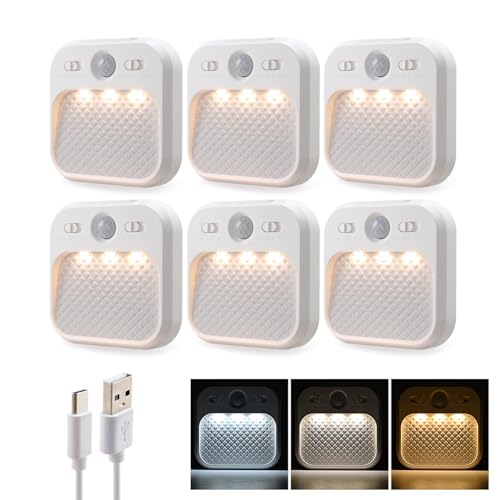 Motion-Sensor Night Lights (6-Pack) Automatic illumination for hallways, bathrooms, and stairs
 Shower Chair with Back Sturdy, adjustable seat for safe bathing
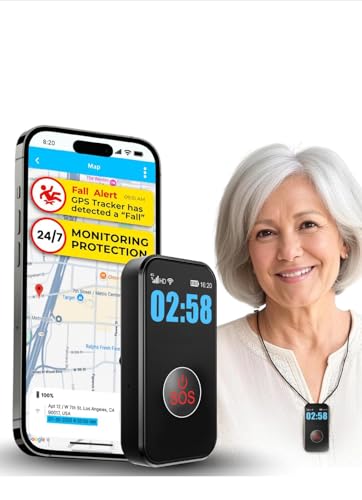 Medical Alert System with Fall Detection 24/7 emergency response at the push of a button