Home Security for Seniors Living Alone
A comprehensive guide to keeping your aging parent safe at home with modern security systems, medical alerts, and practical safety measures.
Peace of Mind: Modern home security technology can help seniors live independently longer while giving family members confidence that their loved one is safe. From medical alerts to smart cameras, the right combination of tools creates a safety net without feeling intrusive.
Medical Alert Systems
Medical alert systems are often the most critical safety device for seniors living alone. They provide one-touch access to emergency help 24/7.
Types of Medical Alert Systems
In-Home Systems
- Base station + pendant: Wearable button connects to base unit that calls monitoring center
- Range: Typically 400-1,000 feet from base station
- Cost: $20-$35/month monitoring
- Best for: Seniors who spend most time at home
Mobile/GPS Systems
- All-in-one device: Works anywhere with cellular coverage
- GPS tracking: Allows family to locate the wearer
- Fall detection: Available on most models
- Cost: $30-$50/month monitoring
- Best for: Active seniors who leave home regularly
Smartwatch-Based Systems
- Apple Watch, Samsung Galaxy Watch with fall detection
- Less stigma than traditional medical alerts
- Additional features (fitness tracking, notifications)
- Requires smartphone and cellular plan
Key Features to Consider
- Fall detection: Automatically calls for help if a fall is detected
- Waterproof: Can be worn in shower (where many falls occur)
- Battery life: How often must it be charged?
- Two-way communication: Speak directly with monitoring center
- Family notification: Alerts sent to family members
As an Amazon Associate, we earn from qualifying purchases.
Recommended Home Security Products
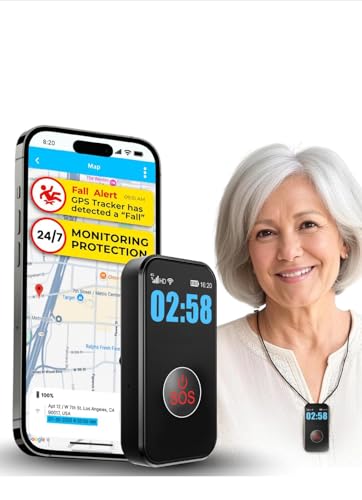 Medical Alert System with Fall Detection 24/7 emergency response at the push of a button
 Video Doorbell with Night Vision See and speak to visitors without opening the door
 Door and Window Alarms (8-Pack) Alerts when entry points are opened - easy installation
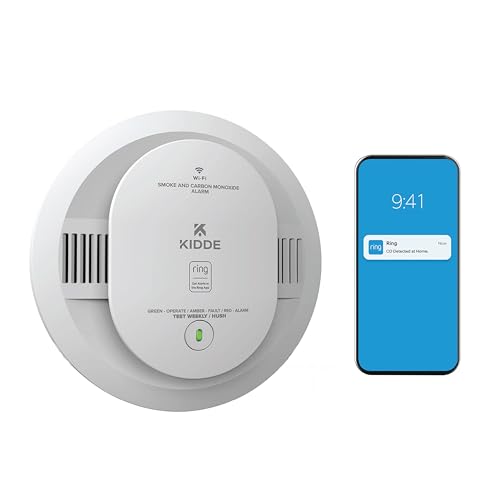 Smart Smoke and CO Detector Sends alerts to your phone if danger is detected
Smart Home Security Systems
Modern smart home systems offer comprehensive protection with professional monitoring and smartphone control.
What Smart Security Systems Include
- Central hub/panel: Controls all connected devices
- Door/window sensors: Detect when entries are opened
- Motion sensors: Detect movement in key areas
- Security cameras: Indoor and outdoor video monitoring
- Video doorbell: See and speak with visitors
- Smart locks: Keyless entry, remote locking
- Professional monitoring: 24/7 response to alerts
Top Systems for Seniors
| System | Monthly Cost | Best For |
|---|---|---|
| SimpliSafe | $18-$28 | Easy setup, no contract |
| Ring Alarm | $10-$20 | Budget-friendly, DIY |
| ADT | $28-$60 | Professional install, reputation |
| Vivint | $30-$50 | Smart home integration |
Senior-Friendly Features
- Voice control: "Alexa, arm the security system"
- Large keypads: Easy-to-see numbers
- Automatic arming: System arms itself at scheduled times
- Activity monitoring: Family can check if parent is moving around
- Remote access: Family can check cameras and lock doors
Security Cameras and Video Doorbells
Cameras provide visual verification of what's happening at your parent's home, deterring criminals and allowing remote check-ins.
Video Doorbells
One of the most valuable devices for senior safety:
- See and speak with visitors without opening the door
- Screen for scammers and suspicious visitors
- Family can answer doorbell remotely
- Motion detection alerts when someone approaches
- Recording provides evidence if needed
Indoor Cameras
Considerations for indoor cameras:
- Balance safety with privacy, discuss with your parent
- Place in common areas, not bedrooms or bathrooms
- Can provide peace of mind for check-ins
- Two-way audio allows conversation
- Consider whether parent is comfortable being watched
Privacy Consideration: Indoor cameras can feel invasive. Have an honest conversation with your parent about their comfort level. Activity sensors that don't record video may be a better option for some families.
Fire and Carbon Monoxide Safety
Fire is a serious risk for seniors, who may have slower reaction times or difficulty escaping. Proper detection and prevention are essential.
Smoke and CO Detectors
- Install on every level and in every bedroom
- Choose interconnected alarms, when one sounds, all sound
- Consider smart detectors that send phone alerts
- Test monthly; replace batteries annually (or get 10-year sealed units)
- Replace detectors every 10 years
Kitchen Safety
- Automatic stove shutoff: Turns off burners after set time or if unattended
- Fire extinguisher: Mount near kitchen, teach how to use
- No loose clothing: While cooking
- Never leave cooking unattended
- Microwave preference: Consider making microwave the primary cooking method
Escape Planning
- Plan two escape routes from each room
- Practice the escape plan
- Keep pathways clear of clutter
- Consider escape ladder for second floor
- Establish meeting place outside
Preventing Break-Ins
Seniors are often targeted by burglars who assume they're vulnerable. Simple measures can significantly reduce risk.
Door Security
- Solid core doors: Replace hollow doors on exterior entries
- Deadbolts: Grade 1 or 2 deadbolts on all exterior doors
- Strike plate reinforcement: 3-inch screws into door frame
- Peephole: Wide-angle viewer to see visitors
- Chain or security bar: Allow door to open partially
- Smart locks: No keys to lose; temporary codes for visitors
Window Security
- Window locks on all accessible windows
- Security film to prevent glass breaking
- Window sensors as part of alarm system
- Trim bushes near windows to eliminate hiding spots
Lighting
- Motion-activated lights: Around all entries and dark areas
- Smart lights: Set schedules to make home look occupied
- Interior timers: Lights turn on at dusk when away
- Pathway lighting: Also prevents falls
General Tips
- Never open door to strangers, use video doorbell
- Verify utility workers by calling company directly
- Don't advertise being alone or traveling
- Keep valuables out of sight from windows
- Get to know neighbors who can watch for suspicious activity
Check-In Systems
Regular check-ins ensure someone notices if your parent needs help, even without an emergency.
Automated Check-In Services
- Daily automated calls that escalate if not answered
- Apps that require daily response
- Motion sensors that alert if no activity for extended period
- Smart pill dispensers that track medication compliance
Family Check-In Routine
- Establish daily call or video chat schedule
- Create a family group chat for easy communication
- Share calendars to track appointments
- Have backup plan if primary contact is unavailable
Neighbor and Community Networks
- Introduce yourself to neighbors; exchange numbers
- Ask trusted neighbors to check in occasionally
- Consider "senior check" programs through local police or fire
- Mail carrier alert programs (carrier reports if mail accumulates)
Costs and Budgeting
Monthly Cost Comparison
| Security Component | Equipment | Monthly |
|---|---|---|
| Medical Alert (Basic) | $0-$50 | $20-$30 |
| Medical Alert (Mobile) | $50-$150 | $35-$50 |
| Home Security System | $200-$500 | $15-$50 |
| Video Doorbell | $100-$250 | $3-$10 |
| Smart Locks | $150-$300 | $0 |
Budget Recommendation
A basic but effective setup (medical alert + video doorbell + smart smoke detectors) can be achieved for under $300 in equipment and $30-40/month. This covers the most critical safety needs without overwhelming technology.
Frequently Asked Questions
What's the most important security device for a senior living alone?
A medical alert system is typically the highest priority. Falls and medical emergencies are more common risks than break-ins, and a medical alert provides 24/7 access to help with one button press.
Will my parent actually use a medical alert?
Many seniors resist medical alerts initially. Success tips: involve them in choosing the device, select a style they find acceptable (watch vs. pendant), emphasize it protects their independence, and make wearing it non-negotiable for living alone.
Are cameras an invasion of my parent's privacy?
This depends on your parent's feelings. Many seniors appreciate the security cameras provide. Focus on outdoor cameras and the video doorbell, which provide security without monitoring daily activities. Always have an open conversation about comfort levels.