
Fall Prevention for Seniors: Complete Safety Guide
Medical Disclaimer: This article is for informational purposes only and does not constitute medical advice. Always consult with qualified healthcare providers for diagnosis and treatment decisions. Every individual's health situation is unique.
Falls are the leading cause of fatal and non-fatal injuries among adults aged 65 and older. Every 11 seconds, an older adult is treated in an emergency room for a fall, and every 19 minutes, an older adult dies from fall-related injuries. As a caregiver, preventing falls is one of the most important things you can do to protect your parent's health, independence, and quality of life.
The good news is that most falls are preventable. This comprehensive guide provides evidence-based strategies for reducing fall risk through home modifications, exercise programs, medical interventions, and lifestyle changes. You'll learn how to identify warning signs, create a safer living environment, and take proactive steps that can dramatically reduce your parent's fall risk. Whether your parent has already experienced a fall or you're taking preventive action, these proven strategies will help keep them safe and independent.
Why Falls Are So Dangerous for Seniors
Understanding the serious consequences of falls helps motivate the preventive measures outlined in this guide. Falls aren't just minor accidents, they're life-altering events that can dramatically impact your parent's health and independence.
The Sobering Statistics
Fall Statistics in the U.S.:
- • 1 in 4 adults aged 65+ falls each year (36 million falls annually)
- • Falls cause over 32,000 deaths each year among older adults
- • 3 million older adults are treated in emergency rooms for fall injuries annually
- • 1 in 5 falls causes serious injury such as broken bones or head trauma
- • Over 800,000 seniors are hospitalized for fall injuries each year
- • Falls are the most common cause of traumatic brain injuries in seniors
- • Hip fractures occur in 300,000+ seniors annually, 95% due to falls
Beyond Physical Injuries
The impact of falls extends far beyond immediate physical injuries:
Fear of Falling
Many seniors who fall develop a fear of falling again, leading them to limit activities. This decreased activity weakens muscles and actually increases fall risk, creating a dangerous cycle.
Loss of Independence
Falls often trigger moves from independent living to assisted living or nursing homes. After a hip fracture, only 50% of seniors return to their previous level of independence.
Reduced Quality of Life
Mobility limitations, chronic pain, and loss of confidence significantly diminish quality of life. Seniors may stop socializing, give up hobbies, and become isolated.
Financial Burden
The total medical costs for fall injuries exceeds $50 billion annually. Individual families face thousands in medical bills, rehabilitation costs, and home modifications.
Common Fall Risk Factors
Falls rarely have a single cause. Multiple risk factors typically combine to create dangerous situations:
- Age-related physical changes: Decreased muscle strength, balance problems, slower reflexes, reduced bone density
- Chronic conditions: Arthritis, Parkinson's disease, diabetes, stroke, dementia
- Medications: Blood pressure drugs, sedatives, antidepressants, pain medications
- Vision and hearing problems: Cataracts, glaucoma, depth perception issues, hearing loss affecting balance
- Environmental hazards: Poor lighting, loose rugs, clutter, lack of handrails
- Inappropriate footwear: Slippers, worn shoes, high heels
- Previous falls: Having fallen before doubles the risk of falling again
The remainder of this guide addresses each of these risk factors with specific, actionable interventions you can implement to protect your parent.
As an Amazon Associate, we earn from qualifying purchases.
Recommended Fall Prevention Products
 Vive Bed Rail for Seniors Sturdy support for getting in and out of bed safely - prevents nighttime falls
 Moen Bathroom Grab Bar Professional-grade safety bar for bathroom fall prevention
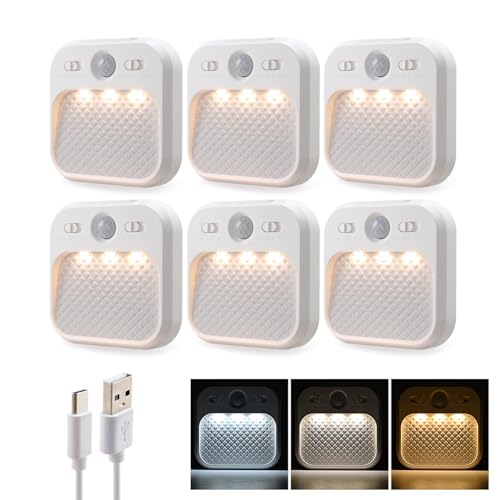 Motion-Sensor Night Lights (6-Pack) Automatic illumination for safe nighttime navigation
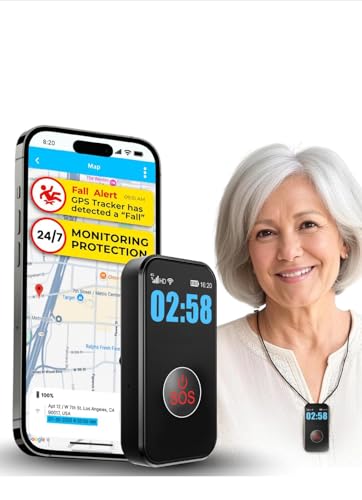 Medical Alert System with Fall Detection Automatic emergency response when falls are detected
Essential Home Safety Modifications
Most falls happen at home, making home safety modifications the first line of defense. A systematic room-by-room assessment identifies hazards you can eliminate or mitigate.
Removing Tripping Hazards
Tripping hazards are the most common cause of falls. Walk through your parent's home and address these issues:
Floor Hazards to Remove:
- • Throw rugs and area rugs: Remove entirely or secure with non-slip backing and double-sided tape
- • Electrical cords: Route along walls, use cord covers, or move furniture to eliminate pathways across walking areas
- • Clutter: Clear newspapers, magazines, shoes, and other items from floors and stairs
- • Pet items: Keep pet toys, food bowls, and beds out of walking paths
- • Uneven thresholds: Install threshold ramps or mark with bright tape
- • Loose carpeting: Repair or replace worn, curled, or torn carpet edges
Stairway Safety
Stairs are particularly dangerous fall locations. Make these critical modifications:
- Install handrails on both sides: Rails should extend the full length of stairs and be easy to grip (1.25-2 inches in diameter)
- Ensure proper lighting: Install light switches at both top and bottom of stairs, or use motion-activated lights
- Add non-slip treads: Install adhesive stair treads or paint with non-slip paint
- Mark edges clearly: Use contrasting tape on the edge of each step for visibility
- Keep stairs clear: Never store items on stairs, even temporarily
- Repair damaged steps: Fix loose treads, uneven surfaces, or worn carpet immediately
Consider a Stair Lift:
For seniors with significant mobility issues, a stair lift may be safer than risking stair use. While expensive ($3,000-$5,000 installed), stair lifts prevent falls and allow seniors to safely access all areas of their home. Some Medicare Advantage plans and long-term care insurance may cover part of the cost.
Living Areas and Bedrooms
Create clear, safe pathways through frequently used rooms:
Furniture arrangement: Ensure wide, clear pathways (at least 3 feet) between furniture. Remove low coffee tables and ottomans that create tripping hazards.
Bed height: The bed should allow your parent to sit with feet flat on the floor. Beds that are too high or low make getting up difficult and increase fall risk. Bed risers or adjustable beds can solve this problem.
Nighttime safety: Place a lamp, flashlight, or motion-activated nightlight within easy reach of the bed. A phone should also be bedside for emergencies.
Storage accessibility: Move frequently used items to waist-level shelves. Eliminate the need to use step stools or reach overhead.
Secure loose rugs: If your parent insists on keeping area rugs, use rug grippers or non-slip backing. Better yet, replace with low-pile, wall-to-wall carpeting.
Kitchen Safety
The kitchen presents unique fall hazards due to wet floors and frequent movement:
- • Clean up spills immediately and mark wet floors clearly
- • Use non-slip mats in front of the sink (secured properly)
- • Store commonly used items at accessible heights
- • Remove step stools or replace with a stable step stool with handrails
- • Ensure adequate lighting over work areas
- • Use non-slip floor wax on tile or linoleum
Bathroom Safety: The Highest-Risk Room
Bathrooms account for the majority of home falls due to wet, slippery surfaces and the physical challenges of bathing and toileting. These modifications are essential for every senior's home.
Grab Bars: The Most Important Addition
Properly installed grab bars provide critical stability and support. Unlike towel bars, grab bars are anchored into wall studs and can support full body weight.
Where to Install Grab Bars:
- In the shower/tub: Install horizontal bars on the side wall and back wall, positioned 33-36 inches from the floor
- Next to the toilet: Install horizontal bars on the side wall, 33-36 inches from floor, extending from the front to back of the toilet
- Near the tub: Install a vertical or angled bar on the wall next to the tub entrance for getting in and out
- Inside the shower: Install bars on multiple walls for support while standing and washing
Installation Tips:
Professional installation is recommended for maximum safety. If installing yourself:
- • Use only grab bars designed for the purpose (not towel bars)
- • Anchor into wall studs or use appropriate blocking
- • Each grab bar should support at least 250 pounds
- • Test thoroughly before use
- • Choose textured bars that won't become slippery when wet
Non-Slip Surfaces
Wet bathroom surfaces are extremely dangerous. Layer multiple safety measures:
- Shower and tub: Install textured non-slip strips or a non-slip mat with suction cups. Replace worn mats regularly.
- Bathroom floor: Use bath mats with non-slip backing, but ensure they lay completely flat with no curled edges.
- Tile floors: Consider professional application of non-slip coating, which maintains appearance while adding texture.
- Wet areas: Dry the shower floor after each use to minimize slip risk.
Shower and Bath Modifications
Getting in and out of the tub is one of the most dangerous activities for seniors. Consider these solutions:
Shower Chair or Transfer Bench
Allows your parent to sit while bathing, eliminating standing balance issues. Transfer benches span the tub edge, making entry much safer.
Cost: $30-$150 depending on features
Walk-In Tub
Replaces traditional tub with one featuring a watertight door, eliminating the need to step over a high threshold. Best for seniors who prefer baths over showers.
Cost: $3,000-$10,000 installed
Curbless Shower
No threshold to step over, floor slopes gently to drain. Ideal for wheelchair users or those with severe mobility limitations.
Cost: $2,000-$8,000 installed depending on bathroom layout
Handheld Showerhead
Allows bathing while seated and provides better control of water direction. Simple to install and highly effective.
Cost: $20-$100
Toilet Safety
Getting up and down from the toilet becomes challenging as leg strength declines:
- • Raised toilet seat: Adds 3-5 inches of height, reducing stress on knees and hips ($25-$75)
- • Toilet safety rails: Freestanding frames that provide armrests for pushing up ($40-$80)
- • Comfort-height toilet: Permanent replacement that sits 2-3 inches higher than standard ($200-$500)
Affiliate Disclosure:
This article may contain affiliate links to safety products. We only recommend products we believe provide genuine value for fall prevention. Commissions earned help support our free content for caregivers.
Lighting: Illuminating Safety Throughout the Home
Poor lighting is a major but easily correctable fall risk factor. Vision naturally declines with age, requiring more light to see clearly. Adequate lighting helps seniors identify obstacles, judge distances, and navigate safely.
General Lighting Principles
Seniors need 2-3 times more light than younger adults to see clearly. Apply these principles throughout the home:
- Brighten all rooms: Replace low-wattage bulbs with brighter options. Use 100-watt equivalent LED bulbs in main living areas.
- Eliminate shadows: Use multiple light sources in each room rather than a single overhead light.
- Reduce glare: Use lampshades and diffusers to soften bright lights that can temporarily blind and create confusion.
- Ensure even lighting: Avoid stark transitions between bright and dark areas, which challenge aging eyes to adjust.
- Install accessible switches: Place light switches at room entrances so lights can be turned on before entering dark spaces.
Strategic Lighting Locations
Stairways
Install bright overhead lights with switches at both top and bottom. Add motion-activated lights or LED step lights on each stair tread for nighttime visibility.
Hallways
Use ceiling lights every 8-10 feet. Install motion-activated nightlights to create a lit pathway from bedroom to bathroom during nighttime trips.
Bathrooms
Bright overhead lighting plus task lighting around mirrors. Install nightlights that turn on automatically when room lights are off.
Bedrooms
Ensure bedside lamps are within easy reach. Three-way bulbs allow adjusting brightness. Consider touch lamps or voice-activated smart bulbs for easier operation.
Entryways
Bright exterior lighting plus well-lit interior entry. Motion-sensor exterior lights illuminate the path when approaching the door with groceries or packages.
Night Lighting Solutions
Most falls occur during nighttime bathroom trips. Create a safe nighttime pathway:
Effective Night Lighting Options:
- • Motion-activated nightlights: Turn on automatically when someone walks by ($15-$30 each)
- • LED strip lighting: Install along baseboards to create continuous pathway lighting ($20-$50)
- • Plug-in nightlights: Place every 10-15 feet along nighttime routes ($5-$15 each)
- • Glow-in-the-dark path markers: Mark doorways and obstacles that charge from room light ($10-$20)
- • Bedside lamp: Within arm's reach with easy-to-find switch or touch activation
Smart Lighting Technology
For tech-comfortable seniors, smart lighting offers convenience and safety:
- • Voice-activated lights eliminate fumbling for switches in the dark
- • Scheduled lighting turns on lights at sunset and off at sunrise automatically
- • Remote control allows caregivers to check that lights are on during evening hours
- • Gradual brightening mimics sunrise, helping with morning orientation
Lighting improvements are relatively inexpensive and make an immediate difference in fall prevention. For comprehensive home safety assessments, many Area Agencies on Aging offer free evaluations, learn more in our housing resources section.
Exercise and Strength Training to Prevent Falls
Physical exercise is one of the most effective fall prevention strategies. Regular exercise improves strength, balance, flexibility, and coordination, all critical factors in preventing falls. Research shows that appropriate exercise programs can reduce fall risk by 23% or more.
Why Exercise Prevents Falls
Exercise addresses multiple fall risk factors simultaneously:
- Builds leg strength: Strong legs provide stability and the power to catch yourself when stumbling
- Improves balance: Balance exercises train the systems that keep you upright and steady
- Enhances flexibility: Flexible joints and muscles allow fuller range of motion and safer movement
- Increases coordination: Better coordination helps navigate obstacles and uneven surfaces
- Boosts bone density: Weight-bearing exercise strengthens bones, reducing fracture risk if falls occur
- Builds confidence: Improved physical capability reduces fear of falling and encourages safe activity
The Best Fall Prevention Exercises
The most effective programs combine balance, strength, and flexibility training. Always consult your parent's doctor before starting a new exercise program.
Tai Chi: The Gold Standard
Tai Chi is the single most researched and proven fall prevention exercise. This gentle Chinese martial art improves balance, strength, and body awareness through slow, flowing movements.
Tai Chi Benefits for Fall Prevention:
- • Reduces fall risk by up to 45% in research studies
- • Improves balance and stability in just 8-12 weeks
- • Low-impact and safe for seniors with limited mobility
- • Can be practiced at home after learning the basics
- • Provides social connection when done in group classes
- • Many senior centers and community centers offer free or low-cost classes
Balance Exercises
These simple exercises can be done at home with a sturdy chair for support:
Single-Leg Stand
Hold the back of a chair and lift one foot off the ground. Hold for 10 seconds, then switch legs. Build up to 30 seconds per leg. Repeat 3 times each side.
Heel-to-Toe Walk
Walk forward placing the heel of one foot directly in front of the toes of the other foot, like walking a tightrope. Do this for 20 steps. Use a wall for support if needed.
Back Leg Raises
Hold a chair and slowly lift one leg straight back without bending the knee or pointing toes. Hold for 1 second, then lower. Repeat 10-15 times per leg.
Side Leg Raises
Hold a chair and slowly lift one leg to the side, keeping back straight and toes pointing forward. Hold briefly, then lower. Repeat 10-15 times per leg.
Strength Training
Leg strength is crucial for stability and for catching yourself when you stumble:
- Chair sits (sit-to-stand): Sit in a chair, then stand up without using hands if possible. Sit back down slowly. Repeat 10-15 times. This builds leg and core strength.
- Wall push-ups: Stand arm's length from wall, place palms on wall, lean in, then push back. Builds arm and shoulder strength. Repeat 10-15 times.
- Toe raises: Stand behind a chair, rise up on toes, hold briefly, lower slowly. Strengthens calves and improves balance. Repeat 10-15 times.
- Ankle rotations: While seated, rotate each ankle in circles 10 times each direction. Improves ankle strength and flexibility.
Formal Exercise Programs
Several evidence-based programs specifically target fall prevention:
A Matter of Balance
8-week community-based program addressing both physical and psychological fall risk factors. Includes exercise and education.
Available through Area Agencies on Aging nationwide
Otago Exercise Program
Home-based program designed by physical therapists with individualized exercises targeting strength and balance.
Can reduce falls by 35% in high-risk seniors
SilverSneakers
Fitness program included with many Medicare Advantage plans, offering classes specifically designed for senior fitness and fall prevention.
Available at thousands of gyms and community centers
Physical Therapy for Fall Prevention
If your parent has already fallen or has significant balance problems, ask their doctor for a physical therapy referral. Physical therapists can:
- • Assess specific balance and strength deficits
- • Design individualized exercise programs addressing your parent's unique needs
- • Teach safe techniques for getting up from a fall
- • Recommend and train on assistive devices if needed
- • Monitor progress and adjust exercises as strength improves
Medicare Coverage:
Medicare Part B covers physical therapy when medically necessary and prescribed by a doctor. If your parent has fallen or their doctor documents fall risk, therapy is typically covered with only the standard 20% copay.
Exercise Safety Tips
Keep exercise safe and effective:
- • Get doctor approval before starting new exercises
- • Start slowly and build gradually, don't push too hard
- • Exercise in a safe, clear area with good lighting
- • Keep a sturdy chair nearby for support during balance exercises
- • Stop if pain, dizziness, or unusual fatigue occurs
- • Consistency matters more than intensity, daily gentle exercise beats occasional vigorous activity
- • Exercise with a partner when possible for motivation and safety
Vision and Hearing: Critical Sensory Factors
Sensory impairments significantly increase fall risk, yet they're often overlooked. Both vision and hearing play crucial roles in maintaining balance, spatial awareness, and the ability to detect and avoid hazards.
Vision Problems and Fall Risk
Vision provides essential information for balance and navigation. Age-related changes and eye diseases create multiple fall hazards:
Reduced Depth Perception
Makes it difficult to judge distances and identify changes in floor level, such as stairs or curbs. Cataracts and macular degeneration particularly affect depth perception.
Decreased Peripheral Vision
Glaucoma and other conditions narrow the field of vision, making it harder to see obstacles to the side. Your parent may not notice a pet, furniture edge, or person approaching from the side.
Poor Night Vision
Aging eyes require more light and take longer to adjust to darkness. Night vision problems make nighttime bathroom trips particularly dangerous.
Contrast Sensitivity
Difficulty distinguishing between similar colors or shades makes it hard to see obstacles on the floor or identify step edges.
Essential Vision Care
Proactive vision care is crucial for fall prevention:
Vision Care Recommendations:
- • Annual comprehensive eye exams: Not just vision screening, but full exams checking for cataracts, glaucoma, macular degeneration, and diabetic retinopathy
- • Update eyeglass prescriptions regularly: Even small prescription changes affect balance and spatial awareness
- • Single-vision glasses for walking: Bifocals and progressive lenses can distort depth perception when looking down. Keep single-vision distance glasses for walking, especially on stairs
- • Cataract surgery when appropriate: Cataract removal can dramatically improve vision and reduce fall risk by 30% or more
- • Proper lighting at home: Compensate for vision limitations with brighter, more consistent lighting
The Bifocal Problem
Bifocals and progressive lenses pose a specific fall risk. The lower portion magnifies close-up items, but when looking down while walking, the magnification distorts the view of the ground and stairs. Research shows bifocals double fall risk during activities like stair climbing.
Solutions include wearing single-vision distance glasses for walking and outdoor activities, or consulting with an optometrist about glasses optimized for fall prevention while maintaining functionality for daily tasks.
Hearing Loss and Balance
Hearing loss isn't just about communication, it significantly affects balance and spatial awareness. People with even mild hearing loss are three times more likely to fall than those with normal hearing.
Why Hearing Affects Balance:
- Inner ear connection: The inner ear controls both hearing and balance. Damage to the inner ear affects both systems simultaneously.
- Reduced environmental awareness: Hearing provides important spatial cues. You hear where things are even when you can't see them.
- Cognitive load: When the brain works harder to process sounds, fewer resources remain for balance and coordination.
- Warning sounds missed: Your parent may not hear someone approaching from behind or warnings about hazards.
Hearing Care for Fall Prevention
Address hearing loss proactively:
- • Regular hearing tests: Annual screening after age 65, or immediately if hearing loss is suspected
- • Hearing aids when recommended: Modern hearing aids are smaller, more effective, and some are available over-the-counter for mild to moderate hearing loss
- • Proper hearing aid use: Hearing aids only work when worn, encourage daily use, especially during activities
- • Earwax removal: Simple earwax buildup can significantly reduce hearing and should be professionally removed
- • Balance testing: If your parent has hearing loss and balance problems, ask for vestibular testing to assess inner ear function
Medicare Coverage Note:
Traditional Medicare doesn't cover hearing aids, but many Medicare Advantage plans include hearing aid benefits. Diagnostic hearing tests are covered by Medicare Part B when ordered by a physician. Some states offer assistance programs for hearing aids for seniors with limited incomes.
Sensory Integration
When both vision and hearing are impaired, fall risk increases exponentially. The brain relies on multiple sensory inputs (vision, hearing, touch, and inner ear) to maintain balance. Loss of any input forces greater reliance on the remaining senses.
If your parent has both vision and hearing impairments, fall prevention becomes even more critical. Focus on optimizing both senses, maximizing the home environment for safety, and considering assistive devices like canes or walkers to provide additional stability.
Medication Review: Hidden Fall Risks
Medications are one of the most common modifiable fall risk factors. Many medications commonly prescribed to seniors cause dizziness, drowsiness, confusion, or low blood pressure, all of which dramatically increase fall risk. A comprehensive medication review can identify and address these risks.
High-Risk Medications
Certain medication classes pose particularly high fall risks:
Medications That Increase Fall Risk:
- Sedatives and Sleep Medications: Benzodiazepines (Valium, Ativan, Xanax), sleep aids like Ambien and Lunesta. These cause drowsiness, confusion, and impaired coordination even the next day.
- Blood Pressure Medications: Can cause dizziness and lightheadedness, especially when standing up (orthostatic hypotension). Risk increases with multiple blood pressure medications.
- Antidepressants: Particularly older tricyclic antidepressants and some SSRIs can cause dizziness, drowsiness, and balance problems.
- Antipsychotics: Often prescribed for dementia-related behaviors, these medications significantly increase fall risk and should be used only when absolutely necessary.
- Antihistamines: Over-the-counter medications like Benadryl cause significant drowsiness and confusion in seniors. Avoid these entirely.
- Muscle Relaxants: Medications like Flexeril and Soma cause dizziness and impaired coordination.
- Opioid Pain Medications: Narcotics cause drowsiness, confusion, and slower reflexes.
- Medications for Overactive Bladder: Can cause dizziness and confusion, particularly in combination with other medications.
The Polypharmacy Problem
Taking multiple medications (polypharmacy) exponentially increases fall risk. Each additional medication compounds side effects and drug interactions. Seniors taking 4 or more medications have double the fall risk of those taking fewer medications.
This doesn't mean your parent should stop necessary medications, but it emphasizes the importance of regular medication reviews to eliminate unnecessary drugs and minimize the total medication burden.
Conducting a Fall-Risk Medication Review
Request a comprehensive medication review focused on fall risk. This review should happen:
- • At least annually for all seniors
- • After any fall
- • When new medications are added
- • If your parent experiences new dizziness, confusion, or balance problems
- • After hospitalization (hospital medications often differ from home medications)
Questions to Ask the Doctor
During medication reviews, ask these specific questions:
- • "Which of these medications might increase fall risk?"
- • "Are all of these medications still necessary?"
- • "Could we reduce doses on any medications?"
- • "Are there safer alternatives to high-risk medications?"
- • "Could we try stopping any medications to see if they're still needed?"
- • "Could drug interactions be causing dizziness or balance problems?"
- • "Should we adjust the timing of medications to reduce peak side effects during active hours?"
Safer Alternatives
In many cases, safer alternatives exist for high-risk medications:
For sleep problems: Instead of sleeping pills, try melatonin, better sleep hygiene, or cognitive behavioral therapy for insomnia. If medication is needed, ask about lower-risk options like trazodone at low doses.
For anxiety: Instead of benzodiazepines, consider SSRIs, buspirone, or therapy-based interventions. Benzodiazepines should be avoided in seniors whenever possible.
For pain: Explore physical therapy, topical treatments, acetaminophen, or targeted injections before opioids. If opioids are necessary, use the lowest effective dose for the shortest duration.
For allergies: Instead of sedating antihistamines like Benadryl, use non-sedating options like Claritin, Allegra, or Zyrtec.
Orthostatic Hypotension
Orthostatic hypotension, a sudden drop in blood pressure when standing, causes dizziness and is a major fall risk. Many medications for blood pressure, heart conditions, and other conditions can cause this problem.
Signs of orthostatic hypotension include:
- • Dizziness or lightheadedness when standing up
- • Feeling unsteady upon standing
- • Vision changes when changing position
- • Weakness or fatigue after standing
If your parent experiences these symptoms, ask the doctor to check blood pressure both lying down and standing. If orthostatic hypotension is confirmed, medication adjustments can often resolve the problem.
Never Stop Medications Without Medical Guidance:
While this section highlights medication risks, never stop or reduce medications without consulting your parent's doctor. Some medications require gradual tapering, and stopping certain medications abruptly can be dangerous. Always work with healthcare providers to make medication changes safely.
For comprehensive information on managing your parent's medications safely, see our detailed guide on medication management for caregivers.
Proper Footwear: Foundation for Fall Prevention
What seniors wear on their feet dramatically affects fall risk. Improper footwear is involved in a significant percentage of falls, yet it's one of the easiest risk factors to correct. The right shoes provide stability, support, and traction that help prevent falls.
Dangerous Footwear to Avoid
These common footwear choices significantly increase fall risk:
High-Risk Footwear:
- • Slippers: Especially backless slippers that slip off easily and provide no ankle support
- • Socks without shoes: Extremely slippery on hard floors, even with "gripper" socks
- • High heels or shoes with heels over 1.5 inches: Shift balance forward and reduce stability
- • Flip-flops and sandals: Don't secure to the foot and alter gait
- • Worn or damaged shoes: Smooth soles with no tread provide poor traction
- • Shoes that are too big: Feet slide around inside, creating tripping hazard
- • Shoes with slippery soles: Smooth leather or plastic soles slip easily
Characteristics of Safe Footwear
Look for shoes with these important safety features:
Low, Flat Heel
Heel height should be less than 1 inch and relatively flat. Low heels keep weight distributed evenly and maintain natural balance.
Non-Slip Sole
Rubber soles with good tread provide traction on various surfaces. The sole should be flexible but not too soft. Check soles regularly and replace when tread wears smooth.
Secure Fit
Shoes should fit snugly but comfortably with laces, velcro, or buckles. Avoid slip-on styles unless they fit very securely. Heel should not slip when walking.
Good Arch Support
Proper arch support improves balance and reduces foot fatigue. If needed, add supportive insoles to shoes lacking adequate support.
Firm Heel Counter
The back of the shoe should be firm and supportive, holding the heel in place. Squeeze the heel area, it should not collapse easily.
Lightweight
Heavy shoes require more effort to lift and can lead to shuffling, which increases tripping risk. Choose the lightest supportive option.
Wide Enough Toe Box
Toes should be able to move comfortably. Tight shoes cause pain and alter gait, increasing fall risk.
Recommended Shoe Types
These shoe styles typically meet safety criteria:
- • Walking shoes or sneakers with good support and laces/velcro
- • Athletic shoes designed for walking (not running)
- • Supportive oxford-style shoes with laces
- • Mary Jane style shoes with secure strap
- • Orthopedic shoes if recommended by a podiatrist
Special Considerations
For Diabetics
Diabetic seniors require extra attention to footwear. Diabetes causes reduced sensation in feet (neuropathy), making it difficult to feel injuries or pressure points. Poorly fitting shoes can cause sores that don't heal.
- • See a podiatrist for professional fitting and recommendations
- • Medicare covers diabetic shoes (one pair per calendar year) when prescribed
- • Diabetic shoes have extra depth and seamless interiors to prevent rubbing
- • Check feet daily for any signs of injury or pressure sores
For Swelling or Edema
Feet that swell during the day need adjustable footwear:
- • Choose shoes with velcro closures that can be loosened as needed
- • Avoid tight elastic or narrow openings that constrict swollen feet
- • Consider extra-wide or adjustable-width shoes
- • Elevate feet when sitting to reduce swelling
Indoor Footwear
Many falls occur when shuffling to the bathroom at night in socks or slippers. Safe indoor options include:
- • Supportive house shoes that secure to the foot (not backless slippers)
- • Indoor sneakers or walking shoes kept by the bed
- • Non-slip slipper-shoes with rubber soles and back support
Keep a pair of safe shoes next to the bed for nighttime use. Walking barefoot or in socks at night is extremely dangerous.
When to Replace Shoes
Even good shoes need replacement:
- • Replace shoes when tread becomes smooth (every 6-12 months for daily shoes)
- • Replace if shoes become misshapen or the heel counter collapses
- • Replace if insoles compress and no longer provide support
- • Replace if they no longer fit properly due to foot changes
Affiliate Disclosure:
This article may contain affiliate links to recommended footwear brands that meet safety criteria for fall prevention. We only recommend products that provide genuine value for senior safety. Any commissions earned help support our free caregiving resources.
Warning Signs Your Parent Is at Risk for Falls
Many falls are preceded by warning signs that indicate increasing risk. Recognizing these signs allows you to intervene before a serious fall occurs. Pay attention to both physical changes and behavioral indicators that suggest your parent's fall risk is increasing.
Physical Warning Signs
Watch for these physical indicators of increased fall risk:
Red Flags to Watch For:
- • Unsteady gait: Shuffling, swaying, veering to one side, or needing to grab furniture while walking
- • Difficulty with stairs: Hesitation at stairs, gripping railings tightly, taking one step at a time
- • Balance problems: Swaying while standing, difficulty turning, trouble getting up from chairs
- • Dizziness: Lightheadedness, especially when standing up or changing positions
- • Weakness in legs: Difficulty standing from seated position, complaints about leg strength
- • Numbness in feet: Reduced sensation that affects awareness of foot position
- • Vision changes: Squinting, bumping into things, difficulty judging distances
- • Confusion or memory problems: Getting disoriented in familiar places, forgetting recent falls
Behavioral Warning Signs
Changes in behavior often signal that your parent recognizes they're at risk but may not articulate it:
- Limiting activities: Avoiding stairs, staying in one room, giving up activities they previously enjoyed
- Fear of falling: Expressing worry about falling, reluctance to leave home, anxious about being alone
- Using furniture for support: Gripping counters, walls, and furniture while moving around the house
- Moving more slowly: Taking significantly longer to complete routine tasks, moving cautiously
- Avoiding bathing: Skipping showers due to fear of falling in the bathroom
- Sitting more: Spending most of the day in a chair or bed to avoid movement
- Requesting help with previously independent tasks: Asking for assistance with activities they managed alone before
The Fear of Falling Cycle
Fear of falling creates a dangerous cycle:
- Fear of falling (whether from previous fall or increasing unsteadiness)
- Limiting activities to avoid falling
- Decreased physical activity
- Muscle weakness and balance deterioration
- Actually higher fall risk due to physical decline
- Increased fear and further activity limitation
Breaking this cycle requires addressing both the physical causes of fall risk and the psychological fear of falling. Exercise programs, home modifications, and reassurance all play important roles.
The "Get Up and Go" Test
Healthcare providers use this simple test to assess fall risk. You can perform a basic version at home:
Timed Up and Go Test:
- Have your parent sit in a standard chair with armrests
- Time how long it takes them to:
- - Stand up from the chair
- - Walk 10 feet
- - Turn around
- - Walk back to the chair
- - Sit down
Results:
- • Under 12 seconds: Low fall risk
- • 12-20 seconds: Moderate fall risk
- • Over 20 seconds: High fall risk
If your parent scores in the moderate or high-risk range, discuss the results with their doctor and request a comprehensive fall risk assessment.
Near-Miss Falls
Near-miss falls (stumbles or losses of balance that don't result in actual falls) are serious warning signs. Many seniors don't report near-misses because "nothing happened," but these incidents indicate high fall risk.
If your parent mentions catching themselves, grabbing onto something to avoid falling, or feeling like they were about to fall, treat it seriously. Multiple near-misses strongly predict an actual fall in the near future.
When to Seek Medical Evaluation
Request a comprehensive fall risk assessment if your parent:
- • Has fallen once in the past year
- • Reports multiple near-miss falls
- • Shows any of the physical or behavioral warning signs listed above
- • Expresses fear of falling
- • Has experienced changes in gait, balance, or mobility
- • Scores in the moderate or high-risk range on the Get Up and Go test
A comprehensive fall risk assessment includes review of medical conditions, medications, physical examination, gait and balance testing, vision assessment, and home safety evaluation. Based on findings, the doctor can recommend specific interventions to reduce risk.
What to Do After a Fall
If your parent falls, how you respond matters tremendously for both immediate safety and long-term fall prevention. Even falls without apparent injury require careful attention and follow-up.
Immediate Response
If you're present when your parent falls:
Steps to Take Immediately:
- Don't rush to move them: Unless they're in immediate danger, let them rest a moment before trying to get up
- Check for injuries: Ask about pain, check for bleeding, deformity, or swelling
- Call 911 if needed: If they hit their head, can't get up, have severe pain, appear confused, or you suspect a fracture
- Help them get up safely: If no injuries are apparent and they feel able:
- - Roll them onto their side
- - Help them get to hands and knees
- - Position a sturdy chair nearby
- - Have them put hands on chair seat
- - Help them lift their stronger leg and place foot flat
- - Support them as they push up to standing
- Monitor for delayed symptoms: Some injuries aren't immediately apparent. Watch for increasing pain, swelling, bruising, confusion, or difficulty moving
Medical Evaluation
Every fall should be reported to your parent's doctor, even if no obvious injury occurred. Schedule an appointment to:
- • Document the fall in medical records
- • Assess for injuries that may not be immediately apparent
- • Determine what caused the fall
- • Review medications for fall-risk side effects
- • Check blood pressure, including orthostatic blood pressure
- • Evaluate gait, balance, and strength
- • Discuss fall prevention strategies
- • Consider referrals to physical therapy, occupational therapy, or other specialists
Head Injuries Require Special Attention
If your parent hit their head during a fall, be especially vigilant. Seniors are at high risk for serious head injuries, particularly if taking blood thinners.
Seek Emergency Care Immediately If:
- • Loss of consciousness, even briefly
- • Confusion or disorientation
- • Severe headache
- • Repeated vomiting
- • Seizure
- • Unequal pupil size
- • Weakness on one side of the body
- • Slurred speech
- • Blood or clear fluid from nose or ears
For seniors on blood thinners (warfarin, Eliquis, Plavix, aspirin), any head injury should be evaluated in the emergency room due to increased bleeding risk.
Fall Investigation
Understanding why the fall occurred is crucial for prevention. Investigate these factors:
Questions to Answer:
- • Where did the fall happen? (Identify hazardous locations)
- • What time did it happen? (Night falls suggest lighting issues or medication effects)
- • What was your parent doing? (Activity-related falls suggest need for assistive devices)
- • Were there environmental hazards? (Rug, cord, poor lighting, clutter)
- • Did they feel dizzy or weak beforehand? (Suggests medical cause)
- • Were they wearing appropriate footwear?
- • Had medications recently changed?
- • Was there a specific cause they can identify, or did they just "lose balance"?
Preventing Future Falls
After a fall, take immediate action to reduce future risk:
- Remove the specific hazard: If they tripped over a rug or cord, eliminate that hazard immediately
- Conduct home safety assessment: Look for additional hazards throughout the home
- Request physical therapy: PT can address weakness and balance problems that contributed to the fall
- Review and modify medications: Work with the doctor to eliminate or reduce fall-risk medications
- Consider assistive devices: A cane or walker might prevent future falls
- Improve lighting: Ensure adequate lighting in the area where the fall occurred
- Address fear of falling: Acknowledge fears while encouraging appropriate activity and exercise
Medical Alert Systems
After a fall, especially if your parent lives alone, seriously consider a medical alert system. These devices allow your parent to call for help if they fall and can't get up or reach a phone.
Traditional Medical Alert Systems
Wearable button that connects to a base station with two-way communication. Press the button to speak with emergency operators.
Cost: $25-$50/month
Mobile Medical Alerts
GPS-enabled devices that work anywhere, not just at home. Important for active seniors who leave the house.
Cost: $35-$60/month
Fall Detection Devices
Automatically detect falls and call for help even if the person is unconscious or unable to press a button.
Cost: $45-$70/month (higher monthly fee for automatic fall detection)
Medical alert systems provide peace of mind for both seniors and caregivers. Many falls result in lying on the floor for hours before help arrives, causing additional injuries from prolonged immobility.
Long-Term Implications
A single fall significantly increases the risk of falling again. Statistics show that someone who has fallen once is twice as likely to fall again within the next year. This makes post-fall prevention efforts critical.
Don't let one fall become a pattern. Implement comprehensive fall prevention strategies immediately after a fall to break this cycle and protect your parent's independence and quality of life.
Frequently Asked Questions
What percentage of seniors fall each year?
One in four adults aged 65 and older falls each year. That's approximately 36 million falls annually among older Americans. More concerning, falls are the leading cause of fatal and non-fatal injuries in this age group, responsible for over 32,000 deaths yearly and millions of emergency room visits. The risk increases with age, adults 75 and older fall even more frequently. Despite these sobering statistics, most falls are preventable with appropriate interventions addressing home safety, physical fitness, medication management, and medical care.
What are the most important home modifications to prevent falls?
The most critical home modifications include installing grab bars in bathrooms (especially in showers and next to toilets), improving lighting throughout the home with brighter bulbs and nightlights, removing tripping hazards like loose rugs and electrical cords, adding handrails on both sides of stairs, and ensuring non-slip surfaces in bathrooms and kitchens. These modifications address the most common fall locations and risk factors. Bathrooms are the highest-risk rooms, so prioritize bathroom safety modifications first. Consider a professional home safety assessment through your Area Agency on Aging for personalized recommendations.
Which medications increase fall risk in seniors?
Medications that commonly increase fall risk include sedatives and sleep aids (like Ambien, Lunesta, and benzodiazepines), antidepressants (particularly older tricyclic antidepressants), blood pressure medications that can cause dizziness, anti-anxiety medications, muscle relaxants, medications for overactive bladder, and narcotic pain medications. Even over-the-counter antihistamines like Benadryl significantly increase fall risk in seniors and should be avoided. Any medication causing dizziness, drowsiness, confusion, or balance problems increases fall risk. Request a medication review focused on fall risk from your parent's doctor, especially if they take multiple medications or have experienced a fall.
What exercises help prevent falls in elderly adults?
The most effective fall prevention exercises focus on balance, strength, and flexibility. Tai Chi is the gold standard, proven to reduce fall risk by up to 45% in research studies. Other beneficial exercises include standing balance exercises (like single-leg stands), leg strengthening exercises (such as sit-to-stand repetitions from a chair), heel-to-toe walking, ankle strengthening and flexibility exercises, and regular walking programs. Physical therapists can design individualized programs based on your parent's specific abilities and risk factors. Evidence-based programs like A Matter of Balance, the Otago Exercise Program, and SilverSneakers offer structured approaches. Consistency is key, daily gentle exercise provides more benefit than occasional vigorous activity.
How often should seniors have their vision checked?
Seniors should have comprehensive eye exams annually, or more frequently if they have diabetes, glaucoma, macular degeneration, or other eye conditions. Note that this should be a comprehensive eye exam, not just a vision screening. Poor vision significantly increases fall risk by affecting depth perception, peripheral vision, and the ability to see obstacles. Many vision problems develop gradually without obvious symptoms, making regular exams essential. Annual exams ensure prescriptions are current and can detect conditions like cataracts or glaucoma that affect spatial awareness. If your parent has fallen or has significant vision complaints, schedule an eye exam immediately.
Should my parent use a cane or walker?
If your parent has balance problems, weakness, or has fallen before, an assistive device may significantly reduce fall risk. However, these devices must be properly fitted and your parent must be trained in their correct use, or they can actually increase fall risk. Request a physical therapy evaluation to determine if an assistive device is appropriate and to get proper fitting and training. Canes help with mild balance issues and provide a wider base of support. Walkers (rollators with wheels and brakes, or standard walkers) provide more substantial support for those with significant balance or strength problems. Never let your parent use a cane or walker without professional assessment and training.
What should I do if my parent refuses to make safety modifications?
Resistance to safety modifications is common because they represent loss of independence and reminders of aging. Start with the least intrusive changes and frame modifications as supporting continued independence rather than acknowledging decline. For example, "These grab bars will help you stay in your own home longer" rather than "You're too weak to bathe safely." Involve your parent in decision-making, letting them choose bar styles or locations within safe parameters. Start with a professional home safety assessment so recommendations come from an expert rather than just from you. After any fall, your parent may be more receptive to changes. Consider making some modifications gradually or "trying them out" rather than presenting them as permanent. Sometimes having the doctor recommend modifications carries more weight than caregiver suggestions.
Does Medicare cover fall prevention services?
Medicare Part B covers several fall prevention services. Physical therapy for fall risk is covered when medically necessary and prescribed by a doctor, with the standard 20% copay. Medicare covers an annual wellness visit that should include fall risk screening. Some Medicare Advantage plans cover additional services like home safety assessments, fitness programs (like SilverSneakers), or even some home modifications. However, traditional Medicare does not cover most home modifications like grab bars or ramps, these are out-of-pocket expenses. Some states have programs that help low-income seniors with home modifications. Contact your Area Agency on Aging to learn about local resources and assistance programs.
Medical Disclaimer
The information provided in this article is for educational purposes only and is not intended as medical advice. Fall prevention involves complex medical and physical factors that require professional assessment. Always consult with your parent's physician, physical therapist, or other qualified healthcare provider before implementing exercise programs or making changes to medications.
Every individual's fall risk factors are unique. The strategies and suggestions in this article should be adapted to your parent's specific medical conditions, physical abilities, and living situation in consultation with healthcare professionals. If your parent has fallen or shows signs of increasing fall risk, seek immediate medical evaluation.
About the Author
This article was written by the ParentCareGuide Editorial Team, a group of caregiving experts, healthcare professionals, and experienced family caregivers dedicated to providing practical, evidence-based guidance for those caring for aging parents.
Need More Caregiving Resources?
Explore our comprehensive guides on health management, financial planning, and legal preparation for family caregivers.