Preparing for Doctor Appointments: Making the Most of Every Visit
A comprehensive guide to preparing for, attending, and following up on your parent's medical appointments.
Medical Disclaimer: This article is for informational purposes only and does not constitute medical advice. Always consult with qualified healthcare providers for diagnosis and treatment decisions. Every individual's health situation is unique.
Key Takeaways
- ✓Prepare a written list of concerns prioritized by importance
- ✓Bring all medications or an updated medication list
- ✓Take notes during appointments or ask to record them
- ✓Ask questions until you fully understand instructions
- ✓Get written instructions before leaving
The average primary care appointment lasts just 15-20 minutes. For seniors with complex health issues, that's barely enough time to cover one topic thoroughly, let alone address multiple concerns. Without preparation, important issues get forgotten, questions go unasked, and instructions are misunderstood.
As a caregiver, you can dramatically improve the quality of your parent's healthcare by helping them prepare for appointments, attending when possible, and ensuring proper follow-through afterward. This guide shows you how.
As an Amazon Associate, we earn from qualifying purchases.
Appointment Preparation Essentials
 Medical Records Organizer Binder Keep all health information organized and portable
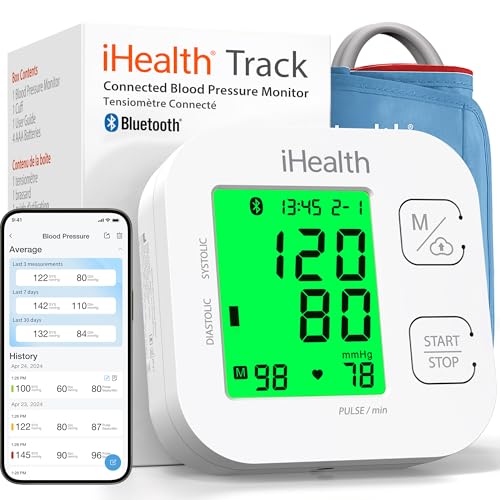 Home Blood Pressure Monitor Track vitals between appointments
 Document Folder with Pockets Carry insurance cards and test results
 Weekly Pill Organizer Bring to show doctors current medication routine
Before the Appointment
Gather Information
Start preparing several days before the appointment:
Pre-Appointment Checklist
Documents to Gather
- ☐ Insurance cards (Medicare, supplemental, Part D)
- ☐ Photo ID
- ☐ Healthcare proxy/POA documents if needed
- ☐ Current medication list
- ☐ Recent test results from other providers
- ☐ Referral letter if required
- ☐ Advance directive copy for new providers
Information to Prepare
- ☐ List of symptoms and concerns
- ☐ When symptoms started/changed
- ☐ Home vital signs if tracked
- ☐ Questions you want to ask
- ☐ Changes since last visit
- ☐ Medication side effects noticed
- ☐ Recent falls, ER visits, or hospitalizations
Create a Symptom Log
If your parent has ongoing symptoms, track them for a week before the appointment:
- When does the symptom occur?
- How severe is it (scale of 1-10)?
- What makes it better or worse?
- How long does it last?
- Is it affecting daily activities?
Prioritize Your Concerns
Given limited appointment time, rank concerns from most to least important. Lead with your biggest worry, don't save it for the end when time runs out.
The "Doorknob Syndrome"
Many patients mention their most worrying symptom as the doctor's hand is on the doorknob to leave. By then, there's no time for proper evaluation. Put your biggest concern at the TOP of your list and mention it first.
Prepare Questions
Write down questions you want to ask. Good categories include:
- Questions about symptoms or conditions
- Questions about medications
- Questions about tests or procedures
- Questions about what to expect
- Questions about lifestyle changes
Practical Preparation
Confirm the Appointment
- Call to confirm date, time, and location
- Ask about check-in time (usually 15-30 minutes before)
- Verify which building entrance and parking options
- Ask if any forms can be completed ahead of time
- Confirm what insurance information they need
Plan for Physical Needs
For Your Parent
- • Ensure hearing aids have fresh batteries
- • Clean glasses for reading
- • Wear easy-to-remove clothing if exam expected
- • Comfortable shoes for walking
- • Bring mobility aids if used
- • Have snacks if diabetic
To Bring Along
- • Notepad and pen (or phone for notes)
- • Reading material for waiting
- • Water bottle
- • List of pharmacy phone/address
- • Phone charger for long waits
- • Sweater (offices are often cold)
Coordinate with Multiple Caregivers
If multiple family members are involved in care:
- Designate one person to attend (too many can be overwhelming)
- Collect questions and concerns from other family members
- Plan how you'll share information after the appointment
- Consider a conference call with doctor for major decisions
During the Appointment
At Check-In
- Arrive early for paperwork
- Update any changed information (address, pharmacy, insurance)
- Mention if your parent needs extra time or assistance
- Ask how long the wait is expected to be
When the Doctor Arrives
Set the Agenda
At the start of the visit, briefly tell the doctor what you want to cover:
"We have three things we'd like to discuss today. The most important is [main concern]. We also want to ask about [second concern] and [third concern]. Is that doable in our time today?"
During the Discussion
- Take notes: Write down key points, diagnoses, and instructions
- Ask for clarification: Don't pretend to understand, ask "Can you explain that differently?"
- Repeat back: Summarize what you heard to confirm understanding
- Request written instructions: Verbal-only instructions are easily forgotten
- Ask about alternatives: What are other treatment options?
Questions to Ask About New Diagnoses
- 1. What is this condition and what causes it?
- 2. What does this mean for my parent's daily life?
- 3. What are the treatment options?
- 4. What happens if we don't treat it?
- 5. What symptoms should we watch for?
- 6. Should we see a specialist?
- 7. Are there any restrictions on activities?
- 8. Where can we learn more about this condition?
Questions About Medications
- 1. What is this medication for?
- 2. Will it interact with current medications?
- 3. What side effects should we watch for?
- 4. When and how should it be taken?
- 5. Should it be taken with food?
- 6. How long until it starts working?
- 7. What if a dose is missed?
- 8. Is a generic version available?
- 9. How long will they need to take it?
Questions About Tests and Procedures
- 1. Why is this test/procedure recommended?
- 2. What will it tell us?
- 3. What are the risks?
- 4. How should we prepare?
- 5. What will it cost and is it covered?
- 6. How and when will we get results?
- 7. What happens if results are abnormal?
- 8. Are there alternatives to this test?
Before Leaving
- Confirm you have written instructions
- Understand when to follow up
- Know who to call with questions
- Get copies of any paperwork or referrals
- Schedule next appointment if needed
- Know when test results will be available
After the Appointment
Immediate Follow-Up
Review your notes
While information is fresh, review and clarify your notes. Add details you remember but didn't write down.
Pick up prescriptions
Get new medications filled promptly. Ask pharmacist to review for interactions if medications were changed.
Update records
Update your parent's medication list and health records with any changes.
Share with family
Brief other caregivers on what happened and what needs to be done.
Schedule follow-ups
Make any referral or follow-up appointments before life gets busy.
Create an Action Plan
Document what needs to happen and when:
- Medication changes (what, when to start, dosage)
- Tests or procedures to schedule
- Lifestyle changes to implement
- Symptoms to watch for
- When to call the doctor
- Follow-up appointment date
Follow Up on Results
Don't assume no news is good news. If you don't hear about test results:
- Call the office after the expected timeframe
- Check patient portal for posted results
- Ask for a copy of results for your records
- Clarify any abnormal results
Special Situations
When Your Parent Has Cognitive Impairment
- Speak with the nurse beforehand to share observations
- Let your parent answer questions but be ready to supplement
- Don't contradict your parent in front of the doctor, talk privately
- Request the doctor speak to you separately if needed
- Bring written notes on symptoms and behaviors observed at home
When Your Parent Minimizes Symptoms
Many seniors downplay their symptoms to doctors. If you've observed something concerning:
- Ask to speak with nurse or doctor privately before the visit
- Send a letter or patient portal message in advance
- Say "I've noticed something different" rather than contradicting
- Use specific examples with dates
Telehealth Appointments
Tips for Video Visits
- • Test technology beforehand
- • Ensure good lighting and quiet space
- • Have all the same materials you'd bring in person
- • Position camera to show your parent clearly
- • Have phone number ready in case of technical issues
- • Take notes just as you would in person
- • Ask how prescriptions will be sent to pharmacy
Frequently Asked Questions
Related Articles
Being a Healthcare Advocate
How to effectively advocate for your parent's medical care.
Getting Second Opinions
When and how to seek another medical perspective.
Medication Reviews
Making the most of medication review appointments.
Medical Transportation
Options for getting your parent to appointments.