Being a Healthcare Advocate: How to Navigate the System for Your Parent
Essential skills for ensuring your aging parent receives the best possible medical care.
Medical Disclaimer: This article is for informational purposes only and does not constitute medical advice. Always consult with qualified healthcare providers for diagnosis and treatment decisions. Every individual's health situation is unique.
Key Takeaways
- ✓Get proper legal documentation before you need it
- ✓Advocate means supporting, not overriding, your parent's wishes
- ✓Build relationships with healthcare providers
- ✓Document everything and keep organized records
- ✓Know when and how to escalate concerns
Healthcare today is complex, fragmented, and often overwhelming, especially for seniors managing multiple conditions, medications, and providers. Without an advocate, important information falls through the cracks, appointments get missed, and concerns go unheard.
As your parent's healthcare advocate, you become their partner in navigating this system. You help them understand their options, communicate with providers, track their care, and speak up when something isn't right. This guide teaches you how to do it effectively while respecting your parent's autonomy and wishes.
As an Amazon Associate, we earn from qualifying purchases.
Healthcare Advocacy Tools
 Medical Records Organizer Binder Keep all medical information in one place
 Medication Log Notebook Track medications, doses, and side effects
 Pill Organizer with Large Labels Helps manage complex medication schedules
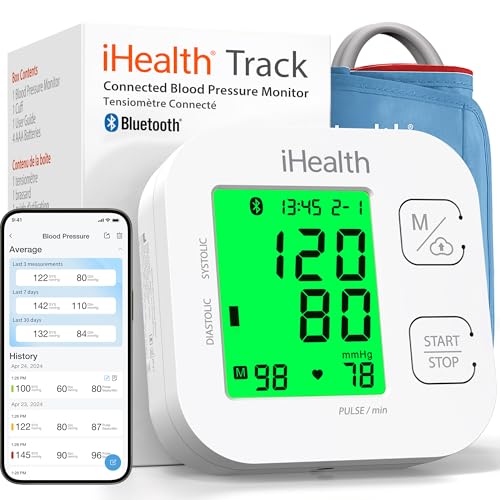 Blood Pressure Monitor Track vital signs to share with healthcare providers
What Is Healthcare Advocacy?
Healthcare advocacy means actively supporting someone in their healthcare journey. For caregivers, this includes:
Information Gathering
- • Researching conditions and treatments
- • Collecting and organizing medical records
- • Tracking medications and side effects
- • Understanding insurance coverage
Communication
- • Asking questions at appointments
- • Translating medical jargon
- • Sharing information between providers
- • Expressing concerns clearly
Coordination
- • Scheduling and attending appointments
- • Ensuring follow-through on care plans
- • Coordinating between specialists
- • Managing transitions between care settings
Protection
- • Watching for medical errors
- • Questioning unnecessary procedures
- • Ensuring patient rights are respected
- • Speaking up about quality of care
Advocacy Is NOT Control
Good advocacy supports and empowers your parent, it doesn't override them. Unless your parent lacks decision-making capacity, they remain in charge of their healthcare decisions, even ones you disagree with. Your job is to ensure they have the information and support to make informed choices, not to make choices for them.
The Legal Foundation
Before you can effectively advocate, you need the legal authority to access information and, if necessary, make decisions.
Essential Documents
Healthcare Power of Attorney (Healthcare Proxy)
Authorizes you to make medical decisions if your parent cannot make them themselves. Essential for hospital admissions, surgery decisions, and end-of-life care.
HIPAA Authorization
Gives you access to your parent's medical information even while they can still make their own decisions. Without this, providers may not share information with you.
Advance Directive / Living Will
Documents your parent's wishes for care in specific situations, especially end-of-life. Guides both you and healthcare providers when decisions must be made.
Get Documents Now
These documents must be completed while your parent has mental capacity. Don't wait until a crisis, by then it may be too late, requiring costly and stressful guardianship proceedings.
Keeping Documents Accessible
- Give copies to all relevant healthcare providers
- Keep originals in a known, accessible location
- Carry copies when traveling with your parent
- Store digital copies on your phone
- Know that documents may need updating (notarize fresh copies every few years)
Building Relationships with Providers
Effective advocacy requires positive working relationships with your parent's healthcare team. You're partners in care, not adversaries.
With Doctors
- Be prepared: Come to appointments with organized information and specific questions
- Be respectful of time: Doctors have limited appointment slots, be concise and prioritize
- Be honest: Share accurate information, including things that might be embarrassing
- Be a partner: Work together toward your parent's goals, not against the doctor
- Express appreciation: Acknowledge good care when you receive it
With Nurses and Staff
Nurses and medical assistants are crucial allies. They often spend more time with patients and can provide valuable insights and assistance.
- Learn their names and treat them with respect
- They can answer many questions and facilitate communication
- They often control access to doctors and scheduling
- A good relationship with nursing staff improves care quality
Communication Strategies
Effective Communication Techniques
- Use "I" statements: "I'm concerned about..." instead of "You need to..."
- Ask open-ended questions: "Can you help me understand..." invites explanation
- Summarize and confirm: "So what I'm hearing is..." ensures understanding
- Be specific: "His pain has increased from 3 to 7 over two weeks" is better than "He hurts more"
- Stay calm: Emotional reactions, while understandable, can hinder communication
Core Advocacy Skills
Asking Good Questions
The right questions get you the information you need:
- "What is the diagnosis, and what does that mean?"
- "What are all the treatment options, including doing nothing?"
- "What are the risks and benefits of each option?"
- "What would you recommend for your own parent?"
- "What happens if we wait and watch for now?"
- "What symptoms should prompt us to call or come back?"
- "Is there anything else this could be?"
Taking Notes and Documenting
Memory is unreliable, especially in stressful medical situations. Document everything:
- Take notes during appointments (or ask to record)
- Write down names of everyone involved in care
- Record dates, times, and details of symptoms or incidents
- Keep copies of all test results and reports
- Save voicemails and emails from providers
- Note any conversations about care decisions
Coordinating Between Providers
Don't assume providers communicate with each other, often they don't.
Coordination Checklist
- ☐ Bring updated medication list to every appointment
- ☐ Share recent test results with all relevant providers
- ☐ Ask each specialist to send notes to primary care
- ☐ Report medication changes to all providers
- ☐ Clarify who is responsible for following up on tests
- ☐ Ensure hospital discharge information reaches primary care
- ☐ Update all providers on ER visits or hospitalizations
Understanding Your Rights
Patients and their advocates have important rights:
- Right to information: Clear explanations in understandable language
- Right to participate: Involvement in treatment decisions
- Right to refuse: Declining treatment or procedures
- Right to records: Access to medical records
- Right to privacy: Confidentiality of medical information
- Right to complain: Voicing concerns without retaliation
- Right to second opinion: Seeking another medical perspective
Speaking Up About Concerns
Sometimes advocacy means raising concerns about care quality, safety issues, or disagreements with the treatment plan.
When to Speak Up
- Your parent's symptoms aren't being taken seriously
- You notice a potential medication error
- Care seems rushed, careless, or inappropriate
- Staff aren't following proper procedures (hand washing, etc.)
- Your parent's pain or discomfort isn't being managed
- You have questions that haven't been answered
- Something doesn't feel right, trust your instincts
How to Raise Concerns
Start with direct communication
Calmly express your concern to the person directly involved. Often issues are misunderstandings that can be quickly resolved.
Ask for clarification
"Help me understand why..." is less confrontational than "You shouldn't have..."
Escalate if needed
If the direct approach doesn't work, ask to speak with a supervisor, charge nurse, or patient advocate.
Document your concerns
Put concerns in writing, including who you spoke with and their response.
Use formal channels if necessary
Patient relations, complaint departments, or external agencies for serious issues.
For Immediate Safety Concerns
If you believe your parent is in immediate danger, speak up loudly and clearly. Ask for a supervisor or charge nurse immediately. In hospitals, you can call a "Rapid Response" if you believe your parent is deteriorating. Don't wait and hope someone notices, patient safety is paramount.
Advocating in the Hospital
Hospital stays are high-risk times requiring extra vigilance.
During the Stay
- Be present: When possible, have someone there, especially during shift changes
- Know the team: Identify who's responsible, attending physician, residents, nurses
- Participate in rounds: Ask when doctors make rounds and be present
- Track medications: Question any unfamiliar medications before they're given
- Prevent falls: Ensure call button is accessible, path to bathroom is clear
- Watch for infections: Remind staff to wash hands; ask about catheter/IV necessity
- Prevent bedsores: Ask about repositioning if your parent is immobile
Preparing for Discharge
Poor discharge planning leads to readmissions. Ensure you have:
- Written discharge instructions
- Complete medication list with changes clearly marked
- Follow-up appointment information
- Warning signs that require immediate attention
- Contact number for questions after discharge
- Any needed equipment or home care arranged
Frequently Asked Questions
Related Articles
Preparing for Appointments
Get the most from every doctor visit with proper preparation.
Getting Second Opinions
When and how to seek another medical perspective.
Healthcare Proxy Guide
Understanding and obtaining healthcare power of attorney.
Medication Reviews
Ensuring safe and effective medication management.