Incontinence Care Guide: Managing Bladder and Bowel Issues in Elderly Parents
Incontinence is one of the most challenging and sensitive issues caregivers face. It affects dignity, independence, and quality of life for both the person experiencing it and those providing care. Yet it remains a topic many families struggle to discuss openly, often leading to delayed treatment and unnecessary suffering.
The truth is that incontinence affects over 25 million Americans, and more than half of all nursing home residents experience some form of bladder or bowel control issues. It's common, it's often treatable, and with the right approach, it can be managed effectively while preserving your parent's dignity and comfort.
This comprehensive guide will help you understand the causes of incontinence in elderly adults, explore treatment options, select the right products, develop effective care routines, and navigate the emotional aspects of this sensitive caregiving challenge.
Understanding Incontinence in the Elderly
Incontinence is not a normal part of aging, though it becomes more common as we get older. Understanding the different types and causes is essential for effective management and treatment.
Types of Urinary Incontinence
Stress Incontinence
Leakage occurs when pressure is placed on the bladder through activities like coughing, sneezing, laughing, lifting, or exercising. This is more common in women, often related to weakened pelvic floor muscles from childbirth, menopause, or surgery. In men, it may occur after prostate surgery.
Common triggers: Coughing, sneezing, laughing, lifting heavy objects, standing up quickly
Urge Incontinence (Overactive Bladder)
A sudden, intense urge to urinate followed by involuntary loss of urine. People with urge incontinence may need to urinate frequently, including throughout the night. This type is often associated with conditions like diabetes, stroke, Parkinson's disease, and multiple sclerosis.
Warning signs: Frequent sudden urges, inability to reach the bathroom in time, waking multiple times at night to urinate
Overflow Incontinence
The bladder doesn't empty completely, leading to frequent or constant dribbling of urine. This is more common in men with prostate problems but can occur in anyone with nerve damage or certain medications that affect bladder function.
Characteristics: Weak urine stream, feeling of incomplete emptying, frequent small amounts of leakage
Functional Incontinence
The urinary system works normally, but physical or cognitive impairments prevent the person from reaching the toilet in time. This is common in people with arthritis, dementia, or mobility issues.
Common causes: Mobility limitations, confusion about bathroom location, difficulty with clothing, poor lighting
Mixed Incontinence
A combination of two or more types, most commonly stress and urge incontinence. This requires a comprehensive approach to treatment that addresses multiple factors.
Bowel Incontinence (Fecal Incontinence)
Loss of bowel control can range from occasional leakage to complete loss of control. It's less discussed than urinary incontinence but affects millions of adults. Common causes include:
- Muscle damage: From childbirth, surgery, or injury to anal sphincter muscles
- Nerve damage: From diabetes, stroke, multiple sclerosis, or spinal cord injury
- Chronic constipation: Leading to impaction and overflow
- Diarrhea: Loose stool is harder to control
- Loss of storage capacity: From radiation, inflammatory bowel disease, or rectal surgery
- Dementia: Loss of awareness of need to use toilet or inability to find bathroom
Seek medical attention if incontinence is accompanied by blood in urine or stool, severe abdominal pain, fever, sudden onset of severe incontinence, or if it significantly impacts daily life. These could indicate underlying conditions requiring prompt treatment.
The equipment that changes the most
Most of what caregiving costs is time. These four are the purchases that reliably buy some of it back, and they are the ones families tell us they wish they had bought sooner.
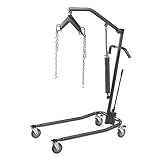 Drive Medical Hydraulic Patient Lift
A full lift is what makes one person able to manage a transfer alone. It is the single purchase that most often delays a move into residential care.
Check price on Amazon →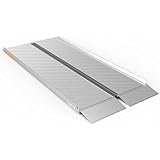 EZ-ACCESS Singlefold Wheelchair Ramp, 6 ft
Folds like a suitcase and carries in a car boot, so the same ramp handles the front step at home and the kerb at an appointment.
Check price on Amazon → Drive Medical Nitro Rollator with Seat
The seat matters more than the wheels. Being able to stop and rest is what decides whether someone still goes out at all.
Check price on Amazon → Vive Stand Assist Rail for Couch or Chair
Getting out of a low sofa is where most falls at home start. This is the cheapest thing on the list and often the first one needed.
Check price on Amazon →As an Amazon Associate we earn from qualifying purchases, at no extra cost to you. Researched guidance, not medical advice. Prices change, so check before buying.
Getting a Proper Diagnosis
Many people feel embarrassed discussing incontinence with their doctor, but proper diagnosis is essential for effective treatment. Encourage your parent to be open with their healthcare provider. Many causes of incontinence are treatable or even curable.
What to Expect at the Doctor's Visit
The doctor will likely perform several assessments:
- Medical history review: Including medications, surgeries, and underlying conditions
- Physical examination: Checking for signs of underlying causes
- Urinalysis: To check for infection, blood, or other abnormalities
- Bladder diary review: Recording fluid intake, urination frequency, and episodes
- Post-void residual measurement: Checking if the bladder empties completely
- Possible referral to a urologist or urogynecologist: For specialized testing
For at least three days before the appointment, track: what and how much your parent drinks, how often they urinate, how much urine is produced, any episodes of incontinence, what they were doing when leakage occurred, and the intensity of any urge felt. This information is invaluable for diagnosis.
Treatment Options
Treatment depends on the type and cause of incontinence. Many people see significant improvement with the right approach, and some cases can be completely resolved.
Behavioral and Lifestyle Modifications
Often the first line of treatment, these changes can significantly reduce symptoms:
Bladder Training
Gradually increasing the time between bathroom visits to train the bladder to hold more urine. Start by identifying current patterns, then slowly extend intervals by 15-30 minutes. The goal is to urinate every 2.5 to 3.5 hours.
Tip: Use relaxation techniques when feeling urges to help the sensation pass.
Scheduled Toileting
Taking your parent to the bathroom at regular intervals (typically every 2-3 hours) before incontinence occurs. This is especially helpful for those with dementia or mobility issues.
Key times: Upon waking, before and after meals, before bed, and during the night if needed.
Pelvic Floor Exercises (Kegels)
Strengthening the pelvic floor muscles can significantly improve stress and urge incontinence. These exercises can be done anywhere and should be practiced several times daily.
How to do them: Squeeze the muscles used to stop urinating, hold for 5-10 seconds, release, repeat 10-15 times, three times daily.
Dietary Modifications
Certain foods and beverages can irritate the bladder or worsen symptoms:
- Reduce caffeine (coffee, tea, cola, chocolate)
- Limit alcohol consumption
- Avoid artificial sweeteners
- Reduce acidic foods (citrus, tomatoes)
- Stay hydrated but don't overdo fluids, especially before bed
- Increase fiber to prevent constipation
Medical Treatments
When behavioral approaches aren't enough, medical treatments can help:
| Treatment | Used For | Notes |
|---|---|---|
| Anticholinergic medications | Overactive bladder | Can cause dry mouth, constipation; use caution in elderly |
| Mirabegron (Myrbetriq) | Overactive bladder | Newer option with different side effect profile |
| Topical estrogen | Post-menopausal women | Helps rejuvenate urethral and vaginal tissue |
| Alpha blockers | Men with prostate issues | Helps relax bladder neck and prostate muscles |
| Botox injections | Overactive bladder | Injected into bladder muscle; effects last 6-12 months |
| Nerve stimulation | Various types | Electrical pulses to regulate bladder function |
Some incontinence medications, particularly anticholinergics, can worsen confusion in people with dementia and may interact with other medications. Always discuss all medications with the doctor and monitor for side effects including cognitive changes.
Surgical Options
When other treatments fail, surgery may be considered:
- Sling procedures: Support the urethra to prevent stress incontinence
- Bladder neck suspension: Provides support to the urethra and bladder neck
- Prolapse repair: Corrects pelvic organ prolapse that may contribute to incontinence
- Artificial urinary sphincter: For severe incontinence, especially in men after prostate surgery
Selecting and Using Incontinence Products
The right products can make a significant difference in comfort, dignity, and quality of life. There are many options available, and finding the right fit may take some trial and error.
Types of Absorbent Products
Disposable Pads and Liners
Best for light incontinence. Worn inside regular underwear. Available in various absorbency levels. Most discreet option.
Protective Underwear (Pull-ups)
Look and feel like regular underwear. Good for moderate incontinence. Easy for those who can still toilet independently.
Adult Briefs with Tabs
Best for heavy incontinence or bedbound individuals. Easier to change without full undressing. Available in various absorbencies.
Reusable Products
Washable underwear with built-in protection. More environmentally friendly. Lower long-term cost. Good for light to moderate incontinence.
Choosing the Right Products
Consider these factors when selecting incontinence products:
- Absorbency level: Match to the severity of incontinence (light, moderate, heavy, overnight)
- Fit: Proper sizing prevents leaks and skin irritation; measure waist and hips
- Lifestyle: Active individuals need different products than those who are bedbound
- Skin sensitivity: Look for hypoallergenic, breathable materials
- Ease of use: Consider who will be changing the product and any mobility limitations
- Cost: Balance quality with budget; buying in bulk often saves money
Most major brands offer free samples. Try several products before committing to bulk purchases. What works for one person may not work for another, and finding the right fit is worth the effort.
Bed and Furniture Protection
Protecting beds and furniture is essential for managing incontinence at home:
- Disposable underpads (chux): Place on bed, chair, or car seat; dispose after use
- Reusable underpads: Washable; more comfortable and economical long-term
- Waterproof mattress protectors: Essential for protecting mattresses; choose breathable options
- Chair pads: Protect recliners and other seating
Developing an Effective Care Routine
Consistent routines help manage incontinence effectively while maintaining your parent's dignity.
Daily Skin Care
Proper skin care is essential to prevent irritation, breakdown, and infection:
- Clean thoroughly but gently: Use pH-balanced cleansers designed for incontinence care, not regular soap
- Pat dry, don't rub: Moisture left on skin causes irritation
- Apply barrier cream: Zinc oxide or dimethicone-based creams protect skin from moisture
- Check skin regularly: Look for redness, rashes, or breakdown
- Change products promptly: Don't let wet or soiled products remain in contact with skin
- Persistent redness that doesn't fade within 30 minutes of product removal
- Broken skin, blisters, or open sores
- Signs of fungal infection (red, raised, itchy patches)
- Warmth or swelling in affected areas
Contact a healthcare provider if you notice any of these signs.
Creating a Toilet-Friendly Environment
Making the bathroom more accessible can reduce accidents:
- Clear pathways: Remove obstacles between bedroom and bathroom
- Night lights: Illuminate the path to the bathroom
- Grab bars: Install near toilet and in shower
- Raised toilet seat: Makes sitting and standing easier
- Bedside commode: For nighttime or mobility issues
- Easy clothing: Elastic waistbands, velcro closures instead of buttons
- Urinal: Keep by the bedside for nighttime emergencies
Managing the Emotional Aspects
Incontinence affects more than the body. The emotional impact on both your parent and you as a caregiver must be addressed.
Preserving Dignity
How you handle incontinence care significantly impacts your parent's sense of dignity:
- Be matter-of-fact: Treat accidents as no big deal; avoid expressions of disgust or frustration
- Use respectful language: Avoid baby talk or infantilizing terms
- Maintain privacy: Close doors, use screens, and minimize exposure
- Involve your parent: Let them do what they can independently
- Normalize the situation: Remind them this is a medical issue, not a personal failure
- Focus on solutions: Emphasize management strategies rather than the problem
Instead of: "You had another accident"
Try: "Let's get you cleaned up and comfortable"
Instead of: "You should have told me you needed to go"
Try: "Let's try going to the bathroom more frequently"
Instead of: "You're wearing that diaper wrong"
Try: "Let me help you adjust that for better protection"
Managing Caregiver Stress
Incontinence care is one of the most demanding aspects of caregiving. Acknowledge your own feelings and take steps to protect your well-being:
- Accept help: This is an area where sharing caregiving duties is essential
- Take breaks: Regular respite prevents burnout
- Join a support group: Connect with others who understand
- Don't internalize frustration: It's okay to feel overwhelmed; it's not okay to take it out on your parent
- Consider professional help: Home health aides can assist with incontinence care
When to Consider Professional Care
Sometimes incontinence care becomes too demanding for family caregivers alone. Signs it may be time for additional help:
- Skin breakdown that doesn't heal despite proper care
- Your own health is suffering from the physical demands
- Frequent nighttime incidents are causing severe sleep deprivation
- The care needs exceed what you can safely provide
- Your relationship with your parent is suffering
- You feel resentful or burned out
Options for additional support include home health aides, adult day programs, and assisted living or nursing facilities with skilled incontinence care.
Download Our Incontinence Care Checklist
Get a printable daily care routine and product tracking sheet to help manage incontinence effectively.
Download Free GuideInsurance Coverage and Financial Assistance
Incontinence supplies can be expensive, but help is available:
- Medicare: Covers some supplies for homebound individuals under certain conditions
- Medicaid: Coverage varies by state; many cover incontinence supplies
- Private insurance: Some plans cover supplies with a prescription
- Manufacturer programs: Some offer discounts or assistance programs
- Tax deductions: Incontinence supplies may be deductible as medical expenses
Related Resources
- Managing Incontinence in Elderly Parents
- Understanding Urinary Incontinence in Seniors
- How to Help Your Parent with Bathing
- Daily Care: Incontinence Management
- Skin Care for Elderly Parents
- Best Incontinence Products for Elderly 2026
- Best Raised Toilet Seats 2026
Products that help with incontinence care
We independently research every recommendation. As an Amazon Associate we earn from qualifying purchases, at no extra cost to you. Disclosure.
- Incontinence Products →Absorbent briefs, pads, and bed protection rated for overnight use.