You haven't had a full night's sleep in months. You can't remember the last time you did something just for yourself. You're exhausted, resentful, and running on empty. Everyone says "you need to take care of yourself," but how? Who will care for your parent if you step away?
The answer is respite care, temporary relief that allows you to rest, recharge, and return to caregiving sustainably. Respite isn't a luxury. It's a necessity for preventing burnout and maintaining your ability to provide care long-term.
Studies show that caregivers who use respite care have lower rates of depression, better physical health, and are able to provide care longer before requiring placement in a facility. Taking breaks makes you a better caregiver, not a worse one.
Types of Respite Care
In-Home Respite
Someone comes to your home to care for your parent while you take a break.
| Option | What It Provides | Typical Cost |
|---|---|---|
| Home care agency | Professional aides for few hours to 24/7 | $25-35/hour |
| Private hire caregiver | Individual you hire directly | $15-25/hour |
| Volunteer respite programs | Trained volunteers provide companionship | Free or low-cost |
| Family/friends | Informal relief from others you trust | Free |
Adult Day Programs
Your parent spends the day at a center with activities, meals, and supervision while you work or rest.
- Social day programs: Activities, socialization, meals
- Medical day programs: Add nursing care, therapy, health monitoring
- Dementia-specific programs: Specialized for memory care needs
- Hours: Typically 7am-6pm, weekdays
- Cost: $70-150/day depending on services and location
Adult day programs are often underutilized. They provide your parent with socialization and activities, reducing depression and behavioral issues, while giving you predictable, regular respite. Many parents actually enjoy going once they get used to it.
Short-Term Residential Stays
Your parent stays temporarily in a facility while you take an extended break.
- Respite stays in assisted living: 1-30 days, full care provided
- Respite in nursing homes: For higher-need parents
- Memory care respite: Specialized dementia facilities
- Cost: Often daily rate of regular facility cost ($150-400/day)
Overnight or Weekend Respite
- Home care agencies that provide overnight care
- Family members taking weekend shifts
- Short-term facility stays for weekends
The equipment that changes the most
Most of what caregiving costs is time. These four are the purchases that reliably buy some of it back, and they are the ones families tell us they wish they had bought sooner.
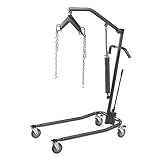 Drive Medical Hydraulic Patient Lift
A full lift is what makes one person able to manage a transfer alone. It is the single purchase that most often delays a move into residential care.
Check price on Amazon →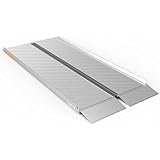 EZ-ACCESS Singlefold Wheelchair Ramp, 6 ft
Folds like a suitcase and carries in a car boot, so the same ramp handles the front step at home and the kerb at an appointment.
Check price on Amazon → Drive Medical Nitro Rollator with Seat
The seat matters more than the wheels. Being able to stop and rest is what decides whether someone still goes out at all.
Check price on Amazon → Vive Stand Assist Rail for Couch or Chair
Getting out of a low sofa is where most falls at home start. This is the cheapest thing on the list and often the first one needed.
Check price on Amazon →As an Amazon Associate we earn from qualifying purchases, at no extra cost to you. Researched guidance, not medical advice. Prices change, so check before buying.
Finding Respite Care
Where to Look
- Area Agency on Aging: Free help finding local resources (eldercare.acl.gov or 1-800-677-1116)
- Alzheimer's Association: Respite programs for dementia caregivers (alz.org/care)
- ARCH National Respite Network: Respite locator at archrespite.org
- VA Caregiver Support: For veteran caregivers (1-855-260-3274)
- Religious organizations: Many churches/synagogues offer volunteer respite
- Disease-specific organizations: Parkinson's, MS, cancer societies often have respite programs
Questions to Ask Respite Providers
- What training do caregivers have?
- Are they experienced with my parent's condition (dementia, mobility issues, etc.)?
- What is the cancellation policy?
- Is there a minimum number of hours?
- What happens in an emergency?
- Can I meet the caregiver before the first visit?
- Are they bonded and insured?
Paying for Respite Care
Medicare
Medicare generally does NOT cover respite care except:
- Hospice respite: Up to 5 days in facility if parent is on hospice
- Does not cover adult day programs or in-home respite
Medicaid
- Many states cover respite care through waiver programs
- Coverage varies significantly by state
- Often includes in-home respite and adult day programs
- Contact your state Medicaid office for specifics
Veterans Benefits
- VA Aid & Attendance can help pay for respite
- VA Caregiver Support Program provides respite for caregivers of eligible veterans
- Adult Day Health Care through VA
Other Funding Sources
- Long-term care insurance: Many policies cover respite
- ARCH Lifespan Respite: State grants for respite funding
- Family Caregiver Support Program: Through Area Agency on Aging
- Disease-specific grants: Alzheimer's Foundation, cancer organizations
- Sliding scale programs: Some nonprofits offer reduced rates based on income
Through the Older Americans Act, every state offers the National Family Caregiver Support Program with respite as a key service. Contact your local Area Agency on Aging to see what's available, many caregivers qualify and don't know it.
Overcoming Guilt About Respite
If you feel guilty about taking a break, you're not alone. Here's reality:
Common Guilt Thoughts, and the Truth
"No one can care for them like I can."
→ Others may do things differently, but "different" isn't "wrong." Your parent will be fine for a few hours or days.
"They need me all the time."
→ They also need you healthy and not burned out. A depleted caregiver can't provide good care.
"They'll be upset if I leave."
→ They may initially resist, but often do fine once you're gone. Their upset is usually brief; your burnout is not.
"I promised I'd never put them in a facility."
→ Respite stays are temporary, not placement. Using respite actually helps you keep that promise longer.
"It's too expensive."
→ Caregiver burnout leading to your own health crisis is more expensive. Explore free and low-cost options first.
Caregivers who don't take breaks have higher rates of depression, anxiety, chronic illness, and earlier death than non-caregivers. Your health matters. You cannot provide care if you collapse, and then your parent is worse off than if you'd taken that break.
Preparing for Respite
What to Prepare for the Respite Provider
- Daily routine and schedule
- Medication list with times and instructions
- Emergency contacts
- Doctor information
- Food preferences and restrictions
- Behavioral tips (what works, what doesn't)
- What activities they enjoy
- How to reach you
Preparing Your Parent
- Tell them in advance (but not too far, for dementia, same day may be best)
- Be positive and matter-of-fact
- Introduce them to the caregiver before you leave if possible
- Leave something comforting (photo, blanket, music)
- Start with shorter periods and build up
Using Your Respite Time
- Rest: Sleep, do nothing, recover
- Self-care: Doctor appointments, exercise, haircuts
- Connection: See friends, spend time with spouse/kids
- Errands: Things that are hard to do with your parent
- Joy: Do something that feeds your soul
Prepare for Respite Care
Our Care Instructions template helps you document everything a respite caregiver needs to know.
Get the Complete Caregiver Kit- Respite care is essential, not optional, it prevents burnout
- Options include in-home care, adult day programs, and short-term stays
- Start with your Area Agency on Aging to find local resources
- Medicaid, VA benefits, and nonprofit programs may help pay
- Guilt about respite is common but not rational, your health matters
- Prepare instructions for the respite provider
- Start with short breaks and build up as comfort grows
- Use respite time for rest, self-care, and activities that restore you