Can I Get Paid to Care for My Elderly Parent? Yes, Here's How
You've reduced your work hours or quit your job to care for Mom or Dad. Good news: there are legitimate ways to get paid for the care you're already providing. Here's a complete guide to your options.
Financial & Legal Disclaimer: This article is for informational purposes only and does not constitute financial, tax, or legal advice. Consult with qualified professionals such as attorneys, financial advisors, or tax specialists for advice specific to your situation.
Key Takeaways
- Medicaid programs in most states can pay family caregivers $10-20+/hour
- VA benefits can provide $600-2,500+/month for caring for a veteran parent
- Private pay arrangements let your parent hire you directly using their own funds
- Tax benefits and credits can provide additional financial relief
As an Amazon Associate, we earn from qualifying purchases.
Recommended Caregiver Resources
 Get It Together: Organize Your Records Track caregiver agreements and payment records
 Expandable File Organizer Document caregiving expenses for payment programs
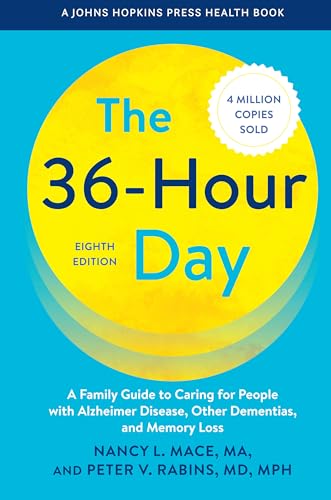 The 36-Hour Day Essential guide for family caregivers
 Fireproof Document Safe Secure storage for contracts and financial records
The Reality of Family Caregiving
If you're caring for an elderly parent, you're not alone. Over 53 million Americans provide unpaid care to family members, and many sacrifice their own income to do so. The average family caregiver spends 24 hours per week on caregiving tasks, that's a part-time job.
The financial impact is real: family caregivers lose an average of $522,000 in lifetime earnings due to reduced work hours, career interruptions, and missed promotions. But here's what many caregivers don't know, there are programs that can pay you for the care you're providing.
Important Note
Medicare does NOT pay family caregivers. However, Medicaid (a different program) does have payment options in most states. Don't confuse the two, they have very different rules.
1. Medicaid Self-Directed Care Programs
This is the most common way family caregivers get paid. Most states have Medicaid programs that allow the care recipient to hire their own caregivers, including family members.
How It Works
- Your parent must qualify for Medicaid (income and asset limits apply)
- They must need a nursing-home level of care but want to stay at home
- You apply for a self-directed or consumer-directed care program
- Your parent becomes the "employer" and can hire you as their caregiver
- Medicaid pays you for approved hours of care
Program Names by State
These programs go by different names:
- California: In-Home Supportive Services (IHSS)
- New York: Consumer Directed Personal Assistance Program (CDPAP)
- Texas: Community Attendant Services (CAS)
- Florida: Consumer-Directed Care Plus
- Washington: Individual ProviderOne
- Pennsylvania: Participant-Directed Services
Typical Pay Rates
Eligibility Requirements
- Your parent must be eligible for Medicaid
- They must need help with activities of daily living (bathing, dressing, eating, etc.)
- Some states exclude spouses from being paid caregivers
- Some states require the caregiver to pass a background check
- You may need to complete caregiver training
How to Apply
Contact your state's Medicaid office or Area Agency on Aging. Ask about "self-directed care," "consumer-directed care," or "participant-directed services." You can also call the Eldercare Locator at 1-800-677-1116.
2. VA Benefits for Veteran Parents
If your parent is a veteran (or the surviving spouse of a veteran), several VA programs can provide money for family caregiving.
Program of Comprehensive Assistance for Family Caregivers (PCAFC)
This program provides a monthly stipend to family caregivers of eligible veterans. The veteran must have a serious injury incurred or aggravated in the line of duty.
- Stipend amount: $600-$2,500+ per month (based on care needs and location)
- Additional benefits: Health insurance through CHAMPVA, mental health counseling, respite care
- Eligibility: Veteran must need personal care services for at least 6 months
Aid & Attendance Benefit
This pension benefit provides extra monthly income to veterans (or surviving spouses) who need help with daily activities. While it doesn't directly pay the caregiver, it gives your parent money that can be used to pay you.
- Veteran benefit: Up to $2,229/month (2026)
- Surviving spouse: Up to $1,432/month (2026)
- Veteran with spouse: Up to $2,642/month (2026)
Veteran-Directed Care Program
Similar to Medicaid self-directed care, this program gives veterans a budget to hire their own caregivers, including family members.
How to Apply for VA Benefits
Contact your local VA medical center's Caregiver Support Line at 1-855-260-3274. They can help determine which programs your parent qualifies for.
3. Private Pay: Your Parent Hires You
If your parent doesn't qualify for Medicaid or VA benefits, they can still pay you directly from their own funds. This is called a "personal care agreement" or "caregiver contract."
Why a Written Agreement Matters
- Medicaid planning: Payments under a proper contract are not considered gifts, which matters if your parent later needs Medicaid
- Family conflict: A clear agreement prevents misunderstandings with siblings
- Tax documentation: Creates a paper trail for the IRS
- Legal protection: Protects both you and your parent
What to Include in a Caregiver Agreement
- Specific services you'll provide
- Hours per week of care
- Hourly or monthly pay rate (use local home care agency rates as a guide)
- Payment schedule
- Start date and duration
- Termination conditions
- Signatures of both parties (and ideally a notary)
Get Professional Help
Have an elder law attorney draft or review your caregiver agreement. This is especially important if your parent may need Medicaid in the future, improper payments can be seen as gifts and trigger penalties.
4. Long-Term Care Insurance
If your parent has a long-term care insurance policy, check whether it covers family caregivers. Many policies do, though some have restrictions.
What to Ask the Insurance Company
- Does the policy pay for family caregivers?
- Are there licensing or certification requirements?
- What's the daily or monthly benefit amount?
- Is there a waiting period before benefits start?
- What documentation is required?
Some policies require caregivers to be employed through a licensed home care agency. Others pay family members directly. Review the policy carefully or call the insurance company to confirm.
5. Tax Credits and Deductions
Even if you can't get direct payment, tax benefits can provide meaningful financial relief:
Dependent Care Tax Benefits
- Claim your parent as a dependent: If you provide more than half their support and they earn less than $4,700/year, you may be able to claim them
- Medical expense deduction: If you claim your parent as a dependent, you can deduct their medical expenses that exceed 7.5% of your income
- Child and Dependent Care Credit: If you pay for care so you can work, you may qualify for a tax credit up to $3,000
Difficulty of Care Payments
This is a valuable but little-known tax benefit. If you receive payments for caring for someone in your home through a state Medicaid waiver program, those payments may be tax-free.
Requirements: You must live in the same home as the person you're caring for, and the payments must come from a state program. The IRS allows these "difficulty of care" payments to be excluded from taxable income.
6. Other Ways to Get Financial Help
State Caregiver Support Programs
Many states have programs that provide stipends, respite care, or other support to family caregivers regardless of Medicaid status. Contact your Area Agency on Aging.
Structured Family Caregiving
Some states offer "Structured Family Caregiving" programs that train and pay family caregivers. These provide a monthly stipend plus professional support.
Reverse Mortgage
If your parent owns their home, a reverse mortgage could provide funds for care. The money could be used to pay you as a caregiver. Consult a HUD-approved counselor first.
Life Insurance Conversion
Some life insurance policies can be converted to pay for long-term care or provide accelerated death benefits that can fund caregiving.
How to Get Started
Here's a step-by-step plan to explore your payment options:
-
1
Check your parent's Medicaid eligibility
Contact your state Medicaid office or use the Medicaid eligibility tool on your state's website.
-
2
Ask about self-directed care programs
If eligible for Medicaid, ask specifically about consumer-directed or self-directed programs that pay family caregivers.
-
3
Explore VA benefits if applicable
If your parent is a veteran or veteran's spouse, contact the VA Caregiver Support Line at 1-855-260-3274.
-
4
Review any long-term care insurance
Check if your parent has a policy and whether it covers family caregivers.
-
5
Consider a private caregiver agreement
Consult an elder law attorney to set up a proper agreement if using your parent's personal funds.
-
6
Talk to a tax professional
Learn about tax credits, deductions, and whether caregiver payments might be tax-free in your situation.
Frequently Asked Questions
Equipment That Makes Home Caregiving Sustainable
If you are being paid to care for a parent at home, the right equipment protects your back and their independence. Caregivers most often tell us these purchases changed their daily routine: a power lift chair ($350-$2,100) so your parent can stand without being pulled up, a patient lift for safe transfers, a power wheelchair when walking is no longer safe, and bathroom grab bars where most falls happen. Some state caregiver programs and Medicaid waivers reimburse home safety equipment, so keep receipts.

For the hours you can't be there
Bay Alarm Medical SOS Mobile GPSA 24/7 mobile medical alert with optional fall detection (~$75 plus monitoring). Family caregivers can't be on duty around the clock; an alert button covers the gap, and it is one of the top picks in our medical alert systems guide.
Check Price on AmazonAs an Amazon Associate we earn from qualifying purchases. Researched from specifications and owner reviews, not medical advice.