Meal Planning for Elderly Parents: Nutrition Made Simple
Proper nutrition becomes increasingly important as our parents age, yet meal planning for elderly parents often feels overwhelming. Between changing appetites, dietary restrictions, physical limitations, and the daily challenge of cooking for aging parents, many caregivers struggle to ensure their loved ones receive adequate nutrition. This comprehensive guide simplifies senior meal prep with practical strategies for understanding nutritional needs, preparing easy meals, addressing appetite loss, batch cooking efficiently, and choosing meal delivery services when needed.
As an Amazon Associate, we earn from qualifying purchases.
Recommended Senior Nutrition Products
 Ensure Nutrition Shake Variety Pack Complete nutrition for seniors with poor appetite
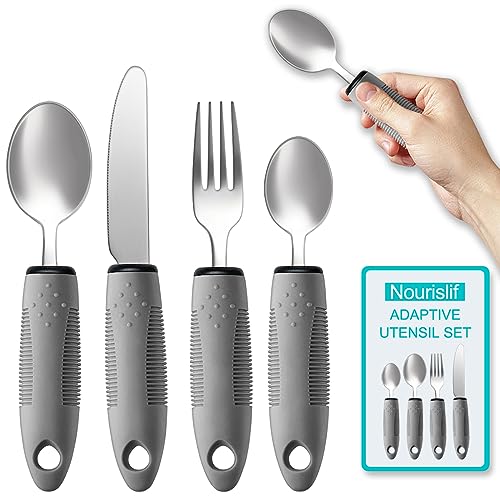 Weighted Utensils for Seniors Helps those with tremors eat independently
 Water Bottle with Time Markers Encourages proper hydration throughout the day
 Easy Senior Cookbook Simple, nutritious recipes designed for older adults
Understanding the Nutritional Needs of Aging Parents
As our parents age, their nutritional requirements shift in important ways. While calorie needs typically decrease due to reduced activity and slower metabolism, the need for specific nutrients actually increases. Understanding these changing requirements is the foundation of effective meal planning for elderly parents.
Older adults generally need fewer calories than younger people, with most sedentary senior women requiring about 1,600 calories daily and sedentary senior men needing approximately 2,000-2,200 calories. However, this doesn't mean nutrition becomes less important. The challenge is providing nutrient-dense foods that deliver maximum nutrition in smaller portions.
Critical Nutrients for Seniors
Protein: Protein needs actually increase with age to combat age-related muscle loss (sarcopenia). Older adults should consume 1 to 1.2 grams of protein per kilogram of body weight daily. For a 150-pound senior, that's approximately 68-82 grams of protein per day. Include protein at every meal through sources like eggs, Greek yogurt, lean meats, fish, beans, and nuts.
Calcium and Vitamin D: These nutrients work together to maintain bone health and prevent osteoporosis. Seniors need 1,200 mg of calcium daily and 800-1,000 IU of vitamin D. Many older adults become deficient in vitamin D due to reduced sun exposure and decreased skin production. Sources include fortified dairy products, fatty fish, egg yolks, and often supplements as recommended by a physician.
Fiber: Adequate fiber prevents constipation, a common issue in older adults. Men over 50 need 30 grams daily, while women need 21 grams. Whole grains, fruits, vegetables, beans, and nuts provide excellent fiber while also delivering other essential nutrients.
Vitamin B12: Absorption of B12 decreases with age, and deficiency can cause fatigue, memory problems, and neurological issues. Seniors should consume fortified cereals, meat, fish, eggs, and dairy products. Many doctors recommend B12 supplements for older adults.
Potassium: This mineral helps regulate blood pressure and supports heart health. Bananas, sweet potatoes, spinach, beans, and yogurt are excellent sources. Adequate potassium intake is particularly important for seniors taking certain blood pressure medications.
Daily Nutritional Goals for Seniors:
- 5-6 servings of fruits and vegetables (variety of colors)
- 6-8 servings of whole grains
- 3 servings of low-fat dairy or calcium-rich alternatives
- 5-6.5 ounces of lean protein
- Limited saturated fats, added sugars, and sodium
- 8 cups of fluids daily (water, tea, broths, water-rich foods)
How Aging Affects Nutrition
Several age-related changes impact nutrition for elderly parents. Decreased sense of taste and smell can make food less appealing, leading to reduced intake. Dental problems or poorly fitting dentures make chewing difficult, causing seniors to avoid nutritious foods like meats, raw vegetables, and fresh fruits.
Digestive changes mean slower digestion and potential issues with certain foods. Medications can affect appetite, cause dry mouth, or alter taste perception. Physical limitations may make shopping and cooking challenging, leading to reliance on less nutritious convenience foods.
Cognitive decline can affect meal planning, grocery shopping, and safe food preparation. Depression and loneliness, particularly common in seniors who've lost a spouse, often result in decreased interest in eating and cooking.
Addressing Appetite Loss and Eating Challenges
Poor appetite is one of the most concerning nutrition issues in elderly parents. Unintentional weight loss can lead to weakness, increased fall risk, slower healing, and compromised immune function. Understanding and addressing the causes of appetite loss is critical when cooking for elderly parents.
Common Causes of Appetite Loss
Medication Side Effects: Many common medications reduce appetite or cause nausea. If you notice decreased eating after starting a new medication, discuss this with your parent's doctor. Sometimes timing adjustments, dose modifications, or alternative medications can help.
Depression and Isolation: Eating alone is less enjoyable than shared meals. Seniors who've lost a spouse often lose interest in cooking and eating. Depression directly affects appetite. Encouraging social mealtimes, whether with family, at senior centers, or through meal sharing programs, can significantly improve intake.
Dental Problems: Pain from cavities, gum disease, or ill-fitting dentures makes eating uncomfortable. Regular dental care is essential. In the meantime, modify food textures to make eating easier without sacrificing nutrition.
Constipation: Common in older adults, constipation causes uncomfortable fullness that reduces appetite. Adequate fiber, fluids, and physical activity help maintain regularity. Chronic constipation should be evaluated by a physician.
Warning Signs of Serious Appetite Problems
Contact your parent's doctor if you notice:
- Unintentional weight loss of more than 5% in a month or 10% in six months
- Refusal to eat for more than a day or two
- Signs of dehydration (dark urine, dizziness, confusion)
- Difficulty swallowing or choking on food
- Persistent nausea or vomiting
- Extreme fatigue or weakness related to poor intake
Strategies to Improve Appetite
Offer Smaller, More Frequent Meals: Instead of three large meals, provide five to six smaller meals and snacks throughout the day. This approach is less overwhelming and maintains steady energy levels. Small portions are more manageable when appetite is poor.
Make Every Bite Count: When intake is limited, focus on nutrient-dense foods. Add calories and protein through healthy additions: stir a spoonful of nut butter into oatmeal, add cheese to vegetables, include avocado in sandwiches, or mix protein powder into smoothies. Fortifying foods helps seniors meet nutritional needs even with smaller portions.
Enhance Food Appeal: Use herbs and spices to boost flavor when taste perception diminishes. Present food attractively on nice dishes rather than eating from containers. The sensory experience of meals matters. Creating a pleasant eating environment with good lighting, comfortable seating, and minimal distractions encourages better intake.
Encourage Social Eating: People eat more when dining with others. Schedule regular family meals, encourage participation in senior center meal programs, or arrange for friends to share meals. Even virtual dinner dates via video call can make eating more enjoyable for isolated seniors.
Respect Food Preferences: While balanced nutrition is important, when appetite is very poor, it's better that your parent eats something they enjoy rather than forcing foods they dislike. You can gradually work toward more balanced choices once appetite improves.
Consider Nutritional Supplements: Products like Ensure, Boost, or Carnation Breakfast Essentials can supplement meals when solid food intake is insufficient. However, these should complement, not replace, whole foods whenever possible. Discuss supplement use with your parent's healthcare provider.
Meal Planning Basics for Senior Nutrition
Effective meal planning for elderly parents reduces daily stress, ensures nutritional needs are met, minimizes food waste, and makes grocery shopping more efficient. A solid plan is especially valuable if you're caring for parents remotely or balancing caregiving with other responsibilities.
Creating a Weekly Meal Plan
Start by assessing your parent's current eating patterns, preferences, and restrictions. What foods do they enjoy? What times do they typically eat? Are there cultural or religious food traditions important to them? What dietary restrictions exist (diabetes, heart disease, kidney disease)?
Build your weekly plan around a rotation of favorite meals while ensuring nutritional balance. Include protein at every meal, vary vegetables to provide different nutrients, incorporate whole grains, and plan for easy-to-eat snacks between meals.
Sample Day of Meals for Seniors:
Breakfast:
Greek yogurt with berries and granola, whole wheat toast with almond butter, hot tea
Mid-Morning Snack:
Banana with handful of walnuts
Lunch:
Chicken vegetable soup, whole grain crackers with cheese, apple slices
Afternoon Snack:
Hummus with soft-cooked vegetables or pita bread
Dinner:
Baked salmon, roasted sweet potato, steamed broccoli with lemon, side salad
Evening Snack:
Cottage cheese with peaches or protein smoothie
Smart Grocery Shopping for Senior Meals
Organize your shopping list by store sections to make trips more efficient. Stock up on shelf-stable essentials so you always have meal components available. If shopping is difficult for your parent, explore grocery delivery services, arrange for a family member to shop weekly, or utilize senior shopping assistance programs.
Pantry Staples for Easy Senior Meal Prep:
- Canned beans (low sodium): protein, fiber, and minerals in convenient form
- Canned fish (salmon, tuna): omega-3s and protein with long shelf life
- Whole grain pasta and brown rice: complex carbohydrates and fiber
- Low-sodium broths: base for soups and cooking grains
- Nut butters: healthy fats, protein, and calories for underweight seniors
- Canned or shelf-stable fruits and vegetables: when fresh isn't practical
- Oatmeal and whole grain cereals: quick, nutritious breakfast options
- Olive oil: heart-healthy fat for cooking and dressings
- Herbs and spices: flavor enhancers when taste perception declines
- Protein powder: for fortifying smoothies and soft foods
Keep frozen vegetables, fruits, and proteins on hand. These are often just as nutritious as fresh options, last longer, come pre-cut, and reduce waste. Frozen options are excellent for seniors who cook in small quantities.
Easy-to-Prepare Meals for Elderly Parents
The best meals for elderly parents are nutritious, simple to prepare, easy to eat, and appealing. Whether you're cooking for your parent or helping them maintain independence in the kitchen, these meal ideas minimize effort while maximizing nutrition.
Breakfast Ideas
Overnight Oats: Mix oats with milk or yogurt, add fruit and nuts, refrigerate overnight. No cooking required, and endless flavor variations keep breakfast interesting. High in fiber, protein, and customizable for dietary needs.
Egg-Based Meals: Scrambled eggs with vegetables, omelets, or egg muffins prepared in advance. Eggs are affordable, protein-rich, and easy to eat. Soft texture works well for those with dental issues.
Greek Yogurt Parfaits: Layer yogurt with granola and fruit. Greek yogurt provides protein and probiotics. Can be prepared ahead in individual portions.
Smoothies: Blend fruit, yogurt, milk, spinach, and protein powder for a nutrient-dense meal in a glass. Excellent for seniors with poor appetites or swallowing difficulties. Can pack significant nutrition in small volume.
Lunch and Dinner Options
One-Pot Soups and Stews: Hearty soups combining protein, vegetables, and grains provide complete nutrition in easily digestible form. Make large batches and freeze in single portions for quick reheating. Soups are particularly good for seniors with reduced appetites or dental problems.
Sheet Pan Dinners: Place protein (chicken, fish, tofu) and vegetables on a baking sheet, season, and roast. Minimal prep, one pan to clean, and balanced nutrition. Can be adapted to any dietary restriction.
Slow Cooker Meals: Throw ingredients in the morning, return to a ready meal. Slow cooking tenderizes tough cuts of meat, making them easier to chew. Requires minimal supervision, reducing safety concerns for seniors cooking independently.
Quick & Nutritious Meal Ideas:
- Rotisserie chicken: Use for sandwiches, salads, soups, or eat as is with prepared sides
- Canned salmon cakes: Mix canned salmon with breadcrumbs and egg, pan-fry quickly
- Quesadillas: Whole wheat tortilla with cheese and beans, optional vegetables or chicken
- Baked potato bar: Baked sweet potato topped with various proteins and vegetables
- Pasta with jarred sauce: Add frozen vegetables and canned beans for complete meal
- Egg fried rice: Use leftover rice, scrambled eggs, frozen vegetables, simple seasoning
- Tuna melts: Canned tuna on whole grain bread with cheese, broiled until melted
- Bean and cheese burritos: Canned refried beans, cheese, soft tortilla, microwave-ready
No-Cook Options for Limited Mobility
When cooking becomes too challenging or dangerous, no-cook meals ensure continued nutrition. Consider sandwiches with quality deli meat, cheese, and vegetables, cottage cheese with fruit and nuts, Greek yogurt bowls with toppings, salads with pre-cooked chicken or canned fish, cheese and crackers with vegetables, or hummus and pita with prepared vegetables.
Keep hard-boiled eggs in the refrigerator for quick protein. Pre-cut vegetables and fruits in easy-to-open containers. Stock individually wrapped cheese, single-serve guacamole or hummus, and whole grain crackers for assembly-only meals.
Batch Cooking and Meal Prep for Seniors
Batch cooking is a game-changer for senior meal prep, especially for long-distance caregivers or elderly parents with limited energy. Preparing multiple meals at once saves time, ensures nutritious food is always available, and reduces the daily burden of cooking.
Benefits of Batch Cooking for Elderly Parents
Batch cooking ensures your parent always has nutritious meals ready to reheat, reducing reliance on less healthy convenience foods. It's safer for seniors with memory issues or mobility problems who may struggle with daily cooking. Economically, it allows buying ingredients in bulk and reduces food waste.
For caregivers, batch cooking during visits means your parent is set for weeks. You can prepare multiple dishes in a few hours, portion them individually, and stock their freezer with ready-to-heat meals.
Best Foods for Batch Cooking and Freezing
Soups and Stews: These freeze exceptionally well and reheat easily. Make large pots of vegetable soup, chicken stew, chili, minestrone, or beef barley soup. Freeze in individual portions in microwave-safe containers labeled with contents and date.
Casseroles: Lasagna, shepherd's pie, chicken and rice casserole, or baked pasta dishes freeze well and provide complete meals. Assemble in disposable aluminum pans for easy heating without cleanup.
Cooked Grains and Proteins: Cook large batches of brown rice, quinoa, or whole grain pasta and freeze in meal-sized portions. Similarly, bake several chicken breasts, prepare meatballs, or cook ground turkey to add to various meals throughout the week.
Breakfast Items: Prepare breakfast burritos, egg muffins, pancakes, or French toast in bulk and freeze individually. These provide quick, nutritious breakfast options that require only reheating.
Batch Cooking Tips for Success:
- Choose a day to dedicate to cooking multiple dishes simultaneously
- Use multiple cooking methods at once (oven, stovetop, slow cooker)
- Prepare ingredients in bulk (chop all vegetables at once, cook all protein together)
- Invest in quality freezer-safe containers in various sizes
- Label everything clearly with contents, date prepared, and reheating instructions
- Freeze in single portions appropriate for your parent's appetite
- Leave space in containers for expansion during freezing
- Cool foods before freezing to maintain food safety and freezer temperature
- Organize freezer with oldest items in front for easy rotation
- Include reheating instructions on labels for seniors with memory issues
Meal Prep for Independent Seniors
If your parent still cooks but has limited energy, help them prepare components rather than complete meals. Wash and chop vegetables, portion proteins, cook grains, and prepare snack containers. This "assembly cooking" allows them to feel independent while reducing the physical demands.
Set up a simple system: containers of prepped vegetables in the refrigerator, cooked grains portioned and frozen, proteins marinated or pre-seasoned, and simple instructions for combining components into meals. This approach maintains their autonomy while ensuring they eat well.
Managing Special Dietary Needs
Many elderly parents require modified diets due to chronic health conditions. While these restrictions add complexity to meal planning for elderly parents, understanding the requirements and learning adaptive strategies ensures your parent receives both necessary nutrition and enjoyable meals.
Diabetes Management
Diabetes requires careful carbohydrate management and balanced meals to maintain stable blood sugar. Focus on complex carbohydrates like whole grains, beans, and vegetables rather than refined sugars and white flour. Include protein and healthy fats with carbohydrates to slow digestion and prevent blood sugar spikes.
Create consistent meal timing to regulate blood sugar. Choose low glycemic index foods like steel-cut oats, sweet potatoes, and legumes. Monitor portion sizes of carbohydrate-containing foods. Stock healthy snacks to prevent low blood sugar between meals.
Heart-Healthy Diets
Heart disease or high blood pressure often requires limiting sodium, saturated fats, and cholesterol. Cook from scratch when possible to control sodium. Use herbs, spices, lemon, and vinegar for flavor instead of salt. Choose lean proteins, increase fish consumption (especially fatty fish rich in omega-3s), and use healthy fats like olive oil.
Read labels carefully on packaged foods. "Low sodium" contains 140mg or less per serving. Rinse canned vegetables and beans to reduce sodium content. Avoid processed meats, which are high in sodium and saturated fat.
Kidney Disease Diet
Chronic kidney disease requires restricting phosphorus, potassium, and protein depending on disease stage. This is one of the most complex dietary modifications and requires working closely with a renal dietitian. Generally, limiting processed foods, choosing lower-potassium fruits and vegetables, and monitoring protein intake are necessary.
Kidney-friendly foods include apples, berries, cabbage, cauliflower, white rice, and certain lean proteins in controlled portions. Avoid high-potassium foods like bananas, oranges, potatoes, and tomatoes unless approved by the dietitian.
General Principles for Special Diets:
- Work with a registered dietitian to understand specific restrictions and allowances
- Focus on what your parent can eat rather than restrictions to maintain positive attitude
- Learn to read nutrition labels carefully for restricted nutrients
- Find acceptable substitutes for favorite restricted foods when possible
- Keep a food diary if needed to track intake and identify problematic foods
- Prepare meals from scratch to control ingredients more precisely
- Communicate restrictions clearly to all caregivers and family members
Low-Residue and Digestive Issues
Some seniors need low-fiber, low-residue diets due to digestive disorders, recent surgery, or bowel issues. These diets limit whole grains, raw vegetables, nuts, and seeds. Choose white rice, refined breads, cooked and peeled vegetables and fruits, lean proteins, and eggs.
For lactose intolerance, which becomes more common with age, use lactose-free dairy products, hard cheeses (lower in lactose), yogurt with active cultures, or non-dairy alternatives fortified with calcium and vitamin D.
Adapting Meals for Swallowing Difficulties
Dysphagia, or difficulty swallowing, affects many older adults due to stroke, neurological conditions, or age-related changes. Swallowing problems are serious because they increase choking risk and can lead to aspiration pneumonia. Proper texture modification is essential for safety while maintaining nutrition.
Critical Safety Warning
Never modify food or liquid textures without guidance from a speech-language pathologist or physician. Inappropriate texture modifications can increase choking and aspiration risk. If your parent shows signs of swallowing difficulty (coughing during meals, frequent throat clearing, wet vocal quality, food remaining in mouth, or refusing certain foods), seek professional evaluation immediately.
Understanding Texture Levels
The International Dysphagia Diet Standardisation Initiative (IDDSI) framework establishes standardized texture levels. A speech therapist will assess your parent's swallowing ability and recommend appropriate levels for both foods and liquids. Common levels include pureed (completely smooth), minced and moist (small soft pieces), soft and bite-sized (tender foods requiring some chewing), and thickened liquids at various consistencies.
Making Texture-Modified Foods Appealing
Texture-modified foods can be unappetizing, leading to poor intake. Combat this by:
- Pureeing individual foods separately to maintain distinct flavors and colors
- Using food molds to shape pureed foods into recognizable forms
- Seasoning generously with safe herbs and spices to enhance flavor
- Presenting food attractively rather than serving everything mixed together
- Maintaining appropriate temperatures (warm foods warm, cold foods cold)
- Offering variety in colors and flavors throughout the day
Nutritious Soft Food Ideas
Many naturally soft foods work well for dysphagia diets: scrambled eggs, Greek yogurt, cottage cheese, smooth nut butters, ripe bananas, avocado, cooked oatmeal, mashed potatoes, smooth soups, applesauce, puddings, and protein smoothies.
Tender proteins include slow-cooked meats in gravy or sauce, flaky fish, tofu, and well-cooked beans mashed or pureed. Vegetables should be cooked until very tender and can be mashed or pureed depending on the prescribed texture level.
Avoid mixed consistencies like cereal with milk, soup with chunks, or foods that break apart into pieces. These are particularly difficult and dangerous for individuals with dysphagia.
Meal Delivery Services for Elderly Parents
Meal delivery services can be invaluable when cooking becomes too challenging, if you're managing care from a distance, or to supplement home cooking and ensure nutritional needs are met. Various service types exist, from community programs to commercial options.
Meals on Wheels and Community Programs
Meals on Wheels is a nationwide network providing delivered meals to homebound seniors. Services vary by location but typically include hot lunches delivered by volunteers several times weekly. Beyond nutrition, these programs provide daily wellness checks and social contact.
Most Meals on Wheels programs are free or low-cost based on ability to pay. Find local programs through the Meals on Wheels America website. Many also offer frozen meal options, weekend meals, and special dietary accommodations.
Senior centers often provide congregate meal programs where seniors can enjoy lunch in a social setting. These programs offer nutrition plus valuable socialization and typically cost just a small suggested donation.
Commercial Meal Delivery Services
Numerous commercial services now cater specifically to seniors or offer senior-friendly options. Consider these factors when choosing:
Evaluating Meal Delivery Services:
- Dietary accommodations: Does the service offer options for diabetes, heart-healthy, low-sodium, renal, or texture-modified diets?
- Preparation required: Fully prepared meals are best for seniors with limited mobility or cognitive issues
- Storage requirements: Does your parent have adequate refrigerator/freezer space?
- Packaging: Can your parent easily open containers and follow heating instructions?
- Delivery frequency: Does it match your parent's capacity to manage meal storage?
- Menu variety: Sufficient options to prevent meal fatigue?
- Cost: Fits within budget considering the alternative of purchasing and preparing food?
- Customization: Can you exclude foods due to allergies or preferences?
- Customer service: Easy to contact for problems or changes?
Popular senior-friendly meal delivery services include:
Mom's Meals: Specializes in senior nutrition with options for various medical diets. Delivers refrigerated, fully prepared meals. Some insurance plans and Medicaid cover costs for eligible seniors.
Silver Cuisine by BistroMD: Designed for seniors with medically tailored meal plans. Frozen meals delivered weekly. Options for diabetic, low-sodium, heart-healthy, and other therapeutic diets.
Magic Kitchen: Offers meals for various dietary needs including pureed options for dysphagia. Frozen meals with flexible ordering (no subscription required).
Factor or Freshly: Prepared meals requiring only reheating. Good variety, though not specifically designed for seniors, options work well for those without severe dietary restrictions.
Hybrid Approach
Many families find success combining approaches: Meals on Wheels for weekday lunches, commercial delivery for some dinners, and home-cooked meals (prepared by the senior or family members) filling in the gaps. This hybrid approach provides variety, ensures adequate nutrition, and balances cost with convenience.
Kitchen Safety for Aging Parents
As parents age, the kitchen can become dangerous if not properly adapted. Falls, burns, cuts, and fires pose serious risks. Simple modifications support continued independence while reducing hazards.
Preventing Cooking-Related Fires and Burns
Stove Safety: Consider installing an automatic shut-off device that turns off the stove after a set time or if left unattended. These devices provide crucial protection for seniors with memory issues. Some systems also detect smoke and cut power to the stove.
Mark stove controls with large, high-contrast labels indicating off positions. Consider replacing gas stoves with electric or induction models that don't have open flames. Induction cooktops stay cooler to the touch, reducing burn risk.
Keep flammable items away from the stove. Use timers for all cooking. Choose clothing with short or tight sleeves that won't catch fire. Keep a fire extinguisher accessible and ensure your parent knows how to use it.
Fall Prevention
The kitchen has numerous fall hazards: slippery floors, reaching for high shelves, and clutter. Install non-slip mats in front of the sink and stove. Immediately clean up spills. Ensure adequate lighting, especially over work areas. Remove throw rugs that can slip or catch on walkers.
Reorganize the kitchen to keep frequently used items at waist height, eliminating the need for step stools or excessive reaching. Use a reacher tool for higher shelves rather than climbing. Consider a rolling cart to transport items instead of carrying multiple things.
Kitchen Safety Modifications:
- Lever-style faucet handles easier than knobs for arthritic hands
- Ergonomic, lightweight cookware reduces strain and drop risk
- Electric kettle with automatic shut-off instead of stovetop kettle
- Bright task lighting under cabinets and over counters
- Contrasting colors between countertops, dishes, and floors for depth perception
- Pull-out shelves in lower cabinets for easier access
- Adaptive equipment: jar openers, easy-grip utensils, one-handed cutting boards
- Cordless or cord-concealing appliances to prevent tripping
- Smoke detector and carbon monoxide detector with fresh batteries
When Cooking Independence Becomes Unsafe
Monitor for signs that independent cooking has become too risky: burned pots from forgotten stove use, spoiled food not being discarded, confusion about appliance operation, frequent small fires or smoking food, expired items mixed with fresh, or inability to safely use knives or other tools.
If safety concerns arise, transition gradually rather than suddenly removing all cooking privileges. Start with eliminating stove use but allowing microwave meals, or having someone prepare components that your parent can simply assemble and heat. This preserves dignity while ensuring safety.
Ensuring Adequate Hydration
Dehydration is a serious and common problem in elderly adults. Aging reduces thirst sensation, medications increase fluid needs, and mobility limitations may reduce drink access. Dehydration causes confusion, weakness, urinary tract infections, constipation, and increases fall risk.
Daily Fluid Requirements
Most seniors need about 8 cups (64 ounces) of fluid daily, though individual needs vary based on health conditions, medications, activity level, and climate. Fluid comes from water, other beverages, and water-rich foods like fruits, vegetables, and soups.
Monitor for dehydration signs: dark-colored urine, infrequent urination, dry mouth, fatigue, dizziness, confusion, or sunken eyes. In seniors, confusion is often the first noticeable sign of dehydration.
Strategies to Increase Fluid Intake
Make Fluids Accessible: Keep filled water bottles or cups in every room your parent frequents. Use cups with lids and straws to prevent spills. Consider insulated cups to keep beverages at preferred temperatures longer.
Offer Variety: If your parent dislikes water, provide herbal teas, flavored water, diluted juice, broth, or milk. Variety encourages increased intake. Warm beverages in winter and cool drinks in summer may be more appealing than room-temperature water.
Include Hydrating Foods: Incorporate water-rich foods into meals: watermelon, cucumbers, oranges, strawberries, lettuce, celery, soups, smoothies, and gelatin. These contribute significantly to daily fluid needs while providing nutrients.
Create a Routine: Establish drinking patterns: glass of water with each meal, beverage with medications, tea at specific times. Routine helps seniors who don't feel thirsty remember to drink. Some families set phone reminders or use apps to prompt regular fluid intake.
Address Barriers: If your parent limits fluids due to incontinence fears or difficulty getting to the bathroom, address the underlying issue rather than accepting dehydration. Ensure clear bathroom access, consider a bedside commode for nighttime, or discuss bladder management with their physician.
Frequently Asked Questions
How many calories does an elderly person need per day?
Most sedentary older women need about 1,600 calories per day, while sedentary older men need approximately 2,000-2,200 calories daily. More active seniors may require 200-400 additional calories. However, individual needs vary based on height, weight, activity level, and health conditions. Protein needs increase with age, with older adults requiring 1-1.2 grams of protein per kilogram of body weight daily to maintain muscle mass.
What should I do when my elderly parent refuses to eat?
First, identify the underlying cause: dental problems, medication side effects, depression, or difficulty swallowing. Offer small, frequent meals instead of large portions. Focus on nutrient-dense foods so every bite counts. Make meals more appealing through presentation and favorite foods. Consider nutritional supplements if approved by their doctor. If appetite loss persists or leads to significant weight loss, consult their physician immediately as this may indicate a serious underlying condition.
Are meal delivery services good for elderly parents?
Meal delivery services can be excellent for seniors who have difficulty shopping or cooking. Options include Meals on Wheels (often free or low-cost for those who qualify), commercial services like Mom's Meals or Silver Cuisine that cater to dietary restrictions, and general meal kit services adapted for seniors. When choosing a service, consider dietary needs, ease of preparation, cost, delivery frequency, and whether meals require refrigeration or freezing. Many seniors benefit from a combination of delivered meals and simple home cooking.
How can I make cooking easier for my aging parent?
Simplify cooking by preparing batch meals they can reheat, using slow cookers or Instant Pots that require minimal supervision, pre-cutting vegetables and portioning ingredients, keeping healthy convenience foods on hand, organizing the kitchen for easy access to frequently used items, and considering adaptive equipment like easy-grip utensils or lightweight pots. One-pot meals, sheet pan dinners, and no-cook options reduce complexity while maintaining nutrition.
What are the best high-protein foods for elderly adults?
Excellent protein sources for seniors include Greek yogurt (easy to eat and digest), eggs (versatile and affordable), canned tuna or salmon (convenient and omega-3 rich), chicken breast (lean and adaptable), cottage cheese (soft texture), beans and lentils (also high in fiber), protein shakes or smoothies (good for poor appetites), nut butters (calorie-dense for underweight seniors), and tofu (soft option for those with chewing difficulties). Aim to include protein at every meal to support muscle maintenance.
How do I address swallowing difficulties when meal planning?
If your parent has dysphagia (swallowing difficulties), consult a speech therapist for a swallowing evaluation to determine the appropriate food texture. Common modifications include pureeing foods, thickening liquids, choosing naturally soft foods like scrambled eggs or yogurt, avoiding mixed textures, ensuring foods are moist, and cutting foods into small pieces. Never change food textures without professional guidance, as inappropriate modifications can increase choking risk. Many nutritious meals can be adapted to safe textures while remaining appealing.
Should elderly parents take vitamin supplements?
Many older adults benefit from specific supplements, but these should be discussed with a healthcare provider. Common beneficial supplements include vitamin D (especially for those with limited sun exposure), vitamin B12 (absorption decreases with age), calcium (for bone health), and sometimes iron or vitamin C. However, supplements can interact with medications and excessive amounts can be harmful. A balanced diet should be the primary source of nutrients, with supplements filling specific gaps identified through blood work or dietary assessment.
What kitchen safety modifications help elderly parents cook independently?
Important kitchen safety modifications include installing an automatic shut-off device on the stove, ensuring adequate lighting especially over work surfaces, using non-slip mats near the sink and stove, keeping a fire extinguisher accessible, replacing heavy cookware with lighter options, organizing frequently used items at waist height to avoid reaching or bending, using electric kettles with automatic shut-off instead of stovetop versions, marking stove controls clearly with large print or high contrast, and considering induction cooktops that don't get as hot as traditional ranges.
Creating a Sustainable Nutrition Plan
Meal planning for elderly parents doesn't have to be overwhelming. Start with small, manageable changes rather than overhauling everything at once. Focus first on ensuring basic nutritional needs are met, then gradually improve variety, convenience, and appeal.
Remember that perfect nutrition matters less than adequate nutrition. If your parent will eat scrambled eggs but refuses salmon, eggs are a fine protein source. If they love one particular soup, make that soup regularly and ensure it's nutritionally balanced. Work with preferences rather than against them.
Involve your parent in meal planning decisions whenever possible. Autonomy and choice matter tremendously to quality of life. Even small decisions like choosing between two vegetable options or picking flavors for smoothies help maintain their sense of control and dignity.
Don't hesitate to use convenience foods and services when needed. Pre-cut vegetables, rotisserie chicken, meal delivery services, and nutritional supplements are tools, not failures. They ensure your parent receives adequate nutrition when energy, ability, or time are limited.
Monitor your parent's weight, energy levels, and overall health as indicators of nutritional adequacy. Regular healthcare visits should include nutritional assessment. Unintended weight loss, new weakness, or increased confusion warrant immediate medical evaluation, as nutrition plays a crucial role in all these areas.
Finally, remember that meals are about more than nutrition. They're social events, sources of pleasure, and connections to culture and memory. Whenever possible, make mealtimes enjoyable experiences. Share meals together, encourage social dining, present food attractively, and celebrate your parent's favorite dishes. Nutrition supports health, but the joy of eating supports wellbeing.
Continue Learning About Parent Care
Explore additional resources to support your caregiving journey:
- Daily Care Resources - Comprehensive guidance for managing day-to-day parent care needs
- Caregiver Wellness - Essential self-care strategies for family caregivers
- Financial Planning - Navigate the costs of caregiving and funding resources