Protecting Elderly Parents from Identity Theft: Complete Guide
Identity theft targeting seniors has become alarmingly common, with elderly Americans losing billions annually to criminals who steal personal information to open fraudulent accounts, access benefits, and drain financial resources. Protecting elderly parents from identity theft requires understanding how thieves target seniors, implementing robust prevention measures including credit freezes, and knowing exactly what to do if your parent becomes a victim. This comprehensive guide provides actionable strategies to safeguard your parents' identities and financial security.
As an Amazon Associate, we earn from qualifying purchases.
Identity Theft Protection Products
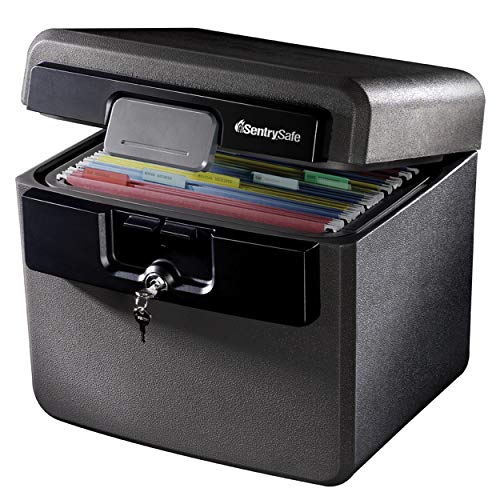 Fireproof Document Safe Secure storage for Social Security cards and sensitive documents
 Cross-Cut Shredder Destroy sensitive documents to prevent dumpster diving
 RFID Blocking Wallet Protect cards from wireless scanning theft
 Password and Account Organizer Secure storage for account information
Why Seniors Are Particularly Vulnerable to Identity Theft
Understanding why identity thieves specifically target older adults is essential for protecting elderly parents from identity theft. Seniors face unique vulnerabilities that criminals systematically exploit.
Excellent Credit and Financial Resources
After decades of responsible financial management, many seniors have excellent credit scores and substantial assets. They often own homes outright, maintain significant savings, and have access to credit lines. This makes their identities particularly valuable to thieves who can open high-limit credit accounts or secure substantial loans before the fraud is detected.
Less Frequent Credit Monitoring
Seniors who are retired and not actively seeking new credit may check their credit reports infrequently or never. Unlike younger adults who might notice suspicious activity while applying for mortgages or car loans, seniors may not discover fraudulent accounts for months or even years, giving criminals extended periods to exploit the stolen identity.
Digital Security Knowledge Gap
Many older adults didn't grow up with digital technology and may not be familiar with concepts like phishing, secure passwords, two-factor authentication, or data breaches. They might reuse passwords across multiple accounts, click on suspicious email links, or not recognize when websites aren't secure. This knowledge gap creates opportunities for identity thieves.
Medicare and Medical Records
Medical identity theft specifically targets Medicare beneficiaries. Criminals steal Medicare numbers to bill for fraudulent services, obtain prescription medications, or receive medical care. Because Medicare statements can be complex and confusing, seniors may not immediately recognize fraudulent charges among legitimate medical expenses.
Cognitive Changes
Age-related cognitive changes, even those within normal ranges, can affect vigilance, attention to financial details, and the ability to recognize suspicious activity. Early-stage dementia or mild cognitive impairment may not be apparent to family members but can significantly increase vulnerability to identity theft.
Alarming Statistics:
- Nearly 3 million seniors fall victim to identity theft annually
- The average senior identity theft victim loses over $17,000
- It takes seniors an average of 320 days to detect identity theft
- Medical identity theft affects approximately 2.3 million Medicare beneficiaries each year
- Only 1 in 5 senior identity theft victims fully recover their losses
Trusting Nature and Social Isolation
Many seniors grew up in eras when communities were more trustworthy and personal information was less vulnerable. This generational tendency toward trust makes them more likely to provide personal information when asked by seemingly legitimate sources.
Additionally, seniors who live alone may have fewer people reviewing their financial statements or questioning suspicious activity. The social isolation that affects many elderly individuals means there are fewer safeguards catching fraudulent activity early.
Common Identity Theft Tactics Targeting Seniors
Identity thieves use multiple methods to steal personal information from elderly victims. Recognizing these tactics is crucial for protecting elderly parents from identity theft.
Data Breaches
When companies experience data breaches, criminals obtain massive databases of personal information including names, Social Security numbers, birth dates, and addresses. Seniors who maintained accounts with breached companies decades ago may not even remember these associations when fraud occurs.
Major breaches at credit bureaus, healthcare providers, and retailers have exposed hundreds of millions of seniors' personal information. This stolen data circulates on the dark web for years, making elderly individuals vulnerable long after the initial breach.
Phishing and Email Scams
Criminals send emails impersonating banks, government agencies, or familiar companies, requesting that recipients click links and "verify" their account information. These emails often create urgency by claiming accounts will be closed or benefits suspended unless immediate action is taken.
Seniors unfamiliar with phishing techniques may not recognize red flags like misspelled sender addresses, generic greetings, or suspicious links. Once they enter personal information on fake websites, identity thieves capture everything.
Mail Theft
Criminals steal mail containing credit card offers, bank statements, tax documents, and medical records directly from mailboxes. This low-tech method remains highly effective, especially in areas with cluster mailboxes or infrequent mail pickup.
Thieves also submit fraudulent change-of-address forms to redirect mail containing sensitive information. Seniors may not immediately notice mail has stopped arriving, particularly if they receive significant correspondence.
Phone-Based Social Engineering
Scammers call pretending to be from banks, Social Security Administration, Medicare, or the IRS, claiming they need to "verify" personal information. They create urgency and fear to pressure seniors into providing Social Security numbers, account numbers, or other sensitive details over the phone.
Some criminals pose as grandchildren in trouble, tech support representatives, or charity workers to build rapport before requesting information. These social engineering tactics exploit trust and emotional vulnerability.
Skimming Devices
Criminals install card-reading devices on ATMs, gas pumps, or point-of-sale terminals that capture credit and debit card information when used. Seniors who regularly visit the same locations may repeatedly use compromised machines without realizing their information is being stolen.
Family Member or Caregiver Theft
Unfortunately, a significant percentage of senior identity theft involves family members, caregivers, or other trusted individuals who have legitimate access to personal information. This "familiar fraud" is particularly devastating and often goes unreported due to family dynamics.
Protection Principle:
Legitimate organizations never call, email, or text requesting Social Security numbers, account passwords, PINs, or credit card security codes. Any unsolicited request for this information should be treated as a potential identity theft attempt.
Public Wi-Fi Interception
Criminals create fake public Wi-Fi networks or intercept data on legitimate public networks. When seniors access banking or shopping sites over unsecured Wi-Fi, thieves can capture login credentials and financial information.
Document Dumpster Diving
Thieves search trash for documents containing personal information. Unshredded bank statements, credit card offers, medical records, or tax documents provide everything needed to steal an identity. This method is surprisingly effective and requires minimal technical skill.
Warning Signs of Identity Theft
Early detection significantly reduces the damage from identity theft. Watch for these indicators that your parent's identity may have been compromised:
Financial Red Flags
- Unexplained withdrawals or charges on bank or credit card statements
- Bills or statements that suddenly stop arriving (possible mail theft or address change)
- Denial of credit applications despite good credit history
- Credit card or loan statements for accounts your parent didn't open
- Calls from debt collectors about unfamiliar debts
- Notifications about credit inquiries your parent didn't authorize
- Bank notifications about failed login attempts or password changes
Medical and Benefits-Related Signs
- Medicare Summary Notices showing services or medical equipment not received
- Bills from medical providers for treatments your parent never received
- Denied insurance claims for legitimate services because "benefits have been exhausted"
- Calls from pharmacies about prescriptions your parent didn't order
- Medical collections notices for unknown debts
Government and Tax-Related Indicators
- IRS notices about multiple tax returns filed in your parent's name
- Letters about income from employers your parent never worked for
- Social Security benefit changes without explanation
- Notification that someone used their Social Security number for employment
Other Suspicious Activity
- Increased spam calls and emails (often indicates information is circulating)
- Missing mail or unexpected address change confirmations
- Being turned down for government benefits they should qualify for
- Receiving credit cards or merchandise they didn't order
- Alerts from data breach notification services
Act Immediately:
If you notice multiple warning signs, don't wait to confirm identity theft before acting. Place fraud alerts on credit reports immediately and begin the investigation process. Early action can prevent extensive damage.
Essential Prevention Strategies
Protecting elderly parents from identity theft requires implementing multiple layers of security. These prevention strategies work together to create comprehensive protection.
Secure Physical Documents
Help your parent establish secure document management:
- Shred all documents containing personal information before disposal using a cross-cut shredder
- Store Social Security cards, passports, and other identity documents in a locked safe or security box
- Collect mail promptly each day or use a locked mailbox
- Consider paperless statements for financial accounts to reduce mail theft risk
- Never carry Social Security cards or Medicare cards unless specifically needed that day
- Be extremely cautious about who has access to personal documents
Limit Information Sharing
Teach your parent to be protective of personal information:
- Never provide Social Security numbers unless absolutely necessary and the request is verified
- Question why organizations need personal information before providing it
- Don't carry documents with Social Security numbers routinely
- Be cautious about sharing personal details on social media
- Opt out of pre-approved credit offers at optoutprescreen.com (1-888-567-8688)
- Use initials instead of full names when possible on checks and forms
Create Strong Password Hygiene
Implement these password best practices:
- Use unique passwords for each account, especially financial accounts
- Create complex passwords with letters, numbers, and symbols
- Consider using a password manager to generate and store secure passwords
- Enable two-factor authentication on all accounts that offer it
- Change passwords immediately if a data breach affects an account
- Never share passwords with others, including family members, unless absolutely necessary
Review Statements Regularly
Establish a routine for monitoring financial activity:
- Review bank and credit card statements thoroughly each month
- Check Medicare Summary Notices carefully for unfamiliar charges
- Verify all bills match expected services
- Set up account alerts for transactions over certain amounts
- Review annual credit reports from all three bureaus
- Keep organized records to identify discrepancies quickly
Free Annual Credit Reports:
Everyone is entitled to one free credit report annually from each of the three major credit bureaus. Access them at AnnualCreditReport.com or call 1-877-322-8228. Stagger requests every four months to maintain year-round monitoring.
Be Cautious with Technology
Help your parent practice safe digital habits:
- Never click links in unsolicited emails or texts
- Verify sender addresses carefully before responding to emails
- Avoid conducting financial transactions over public Wi-Fi
- Keep computer security software updated
- Only shop on secure websites (look for "https://" and padlock icon)
- Be skeptical of urgent requests for personal information
- Log out of accounts after use, especially on shared computers
Verify Before You Trust
Establish a verification habit:
- If someone calls requesting personal information, hang up and call back using a verified number
- Don't trust caller ID, it can be spoofed
- Independently verify any suspicious communications before responding
- Be especially cautious with urgent requests for information or money
- Verify website URLs carefully before entering login credentials
Understanding and Implementing Credit Freezes
A credit freeze is one of the most powerful tools for protecting elderly parents from identity theft. Understanding how freezes work and implementing them correctly provides significant protection.
What Is a Credit Freeze?
A credit freeze (also called a security freeze) restricts access to your parent's credit report, making it nearly impossible for identity thieves to open new accounts in their name. When a freeze is in place, lenders cannot view the credit report to approve new applications, effectively blocking fraudulent account openings.
Credit freezes are completely free, don't affect credit scores, and don't prevent your parent from using existing credit cards or accounts. They only block access to the credit report for new credit applications.
When Seniors Should Have Credit Freezes
Credit freezes are particularly recommended for seniors who:
- Are retired and not planning to apply for new credit
- Have been victims of identity theft previously
- Have had personal information exposed in data breaches
- Are at elevated risk due to cognitive changes or isolation
- Want the strongest possible identity theft protection
For many seniors who aren't actively seeking mortgages, car loans, or new credit cards, maintaining a permanent credit freeze provides peace of mind without inconvenience.
How to Place a Credit Freeze
Credit freezes must be placed separately with each of the three major credit bureaus. Here's how:
Equifax
Online: equifax.com/personal/credit-report-services/credit-freeze
Phone: 1-800-685-1111
By Mail: Equifax Security Freeze, P.O. Box 105788, Atlanta, GA 30348
Experian
Online: experian.com/freeze/center.html
Phone: 1-888-397-3742
By Mail: Experian Security Freeze, P.O. Box 9554, Allen, TX 75013
TransUnion
Online: transunion.com/credit-freeze
Phone: 1-888-909-8872
By Mail: TransUnion LLC, P.O. Box 2000, Chester, PA 19016
You'll need to provide:
- Full name, address, and previous addresses from the past two years
- Social Security number
- Date of birth
- Email address (for online requests)
Each bureau will provide a unique PIN or password needed to temporarily lift or permanently remove the freeze. Store these PINs securely, losing them complicates managing the freeze.
Lifting a Credit Freeze
If your parent needs to apply for credit, they can temporarily lift the freeze:
- Specify which bureau(s) need unfrozen (ask the lender which they use)
- Choose how long to lift the freeze (typically 1-7 days is sufficient)
- Use the PIN provided when the freeze was placed
- Temporary lifts usually take effect within an hour for online requests
The freeze automatically reinstates after the specified period, or it can be manually reinstated immediately after the credit application is processed.
Important Limitation:
Credit freezes don't prevent thieves from using existing accounts or committing tax fraud. They specifically block new credit accounts from being opened. Comprehensive protection requires combining credit freezes with other monitoring and security measures.
Credit Freeze vs. Fraud Alert
Understanding the difference helps choose the right protection:
Credit Freeze:
- Completely blocks access to credit report
- Must be placed with each bureau separately
- Requires PIN to lift or remove
- Remains in place until you remove it
- Provides strongest protection
Fraud Alert:
- Requires creditors to verify identity before approving credit
- Placing with one bureau alerts all three
- Lasts one year (can be renewed)
- Easier to implement but provides less protection
- Good temporary measure while deciding on a freeze
For most seniors, a credit freeze provides superior protection and is the recommended choice, especially if they're not planning to apply for new credit in the near future.
Identity Theft Monitoring Services
While credit freezes prevent new account fraud, monitoring services detect other forms of identity theft and provide early warning of suspicious activity. Understanding these services helps you choose appropriate protection for your parent.
Types of Monitoring
Credit Monitoring
Credit monitoring tracks your parent's credit reports and alerts you to changes like new accounts, credit inquiries, address changes, or significant balance increases. This helps detect fraud quickly even with a credit freeze in place, as it monitors existing accounts and other activity.
Identity Monitoring
More comprehensive than credit monitoring, identity monitoring services scan:
- Dark web databases for stolen Social Security numbers and personal information
- Public records for fraudulent use of identity
- Criminal databases for identity misuse
- Payday loan applications and rent-to-own transactions
- Court records and bankruptcy filings
Financial Account Monitoring
Some services monitor bank and credit card accounts for suspicious transactions, providing real-time alerts about unusual activity. Many banks and credit card companies offer this free to customers.
Free vs. Paid Services
Free Options:
- Annual free credit reports from AnnualCreditReport.com
- Credit monitoring offered by many banks and credit card issuers
- Credit Karma and similar services (supported by advertising)
- Social Security Administration's myE-Verify for employment fraud detection
Paid Services (typically $10-30/month):
- LifeLock (Norton): Comprehensive monitoring, recovery assistance, reimbursement up to $1 million
- IdentityGuard: AI-based threat detection, credit monitoring, dark web surveillance
- Experian IdentityWorks: Direct bureau access, daily monitoring, identity restoration support
- Identity Force: Privacy monitoring, financial account alerts, white glove resolution service
- AARP Identity Theft Protection powered by Norton: Specialized for seniors, family plans available
What to Look for in a Service
When selecting an identity theft protection service for your parent, prioritize:
- Monitoring breadth: Does it cover all three credit bureaus, dark web, and public records?
- Alert speed: How quickly are you notified of suspicious activity?
- Recovery assistance: Is there dedicated support if identity theft occurs?
- Insurance coverage: What reimbursement is provided for losses and recovery costs?
- User-friendliness: Can your parent navigate the interface easily?
- Family plans: Can you monitor multiple family members under one account?
- Cost: Does the protection level justify the monthly expense?
Monitoring Doesn't Prevent Theft:
Identity theft monitoring services detect and alert you to suspicious activity, they don't prevent identity theft from occurring. Think of monitoring as an early warning system that complements prevention strategies like credit freezes, not a replacement for them.
Setting Up Monitoring Effectively
To maximize the benefit of monitoring services:
- Ensure alerts are sent to both your parent and you (if they agree)
- Set up mobile notifications for immediate awareness
- Regularly review monitoring reports, not just alerts
- Update contact information immediately if it changes
- Take every alert seriously and investigate promptly
- Keep records of all alerts and your responses
DIY Monitoring Alternative
If paid services aren't in the budget, create a monitoring system:
- Request credit reports every four months (stagger the three bureaus)
- Enable bank and credit card account alerts
- Review all financial statements monthly
- Check Medicare Summary Notices carefully
- Monitor Social Security statements annually
- Set calendar reminders to maintain the schedule
While more time-intensive, systematic DIY monitoring can be nearly as effective as paid services for detecting identity theft, particularly when combined with a credit freeze.
Medical Identity Theft: A Growing Senior Threat
Medical identity theft specifically targets seniors through Medicare fraud and represents one of the fastest-growing forms of identity crime. Understanding this threat is essential for comprehensively protecting elderly parents from identity theft.
What Is Medical Identity Theft?
Medical identity theft occurs when criminals use stolen Medicare numbers or personal information to:
- Bill Medicare for medical services never provided
- Obtain prescription medications for resale
- Receive medical care using someone else's insurance
- Steal medical equipment to sell
- Submit fraudulent claims for reimbursement
This crime costs Medicare billions annually and can have serious consequences for victims beyond financial loss.
Why It's Dangerous
Medical identity theft creates unique risks:
Critical Consequences:
- Corrupted medical records: False information enters your parent's medical history, potentially affecting future care
- Wrong blood type: Thieves' information could replace your parent's, risking life-threatening transfusions
- Incorrect allergies: Missing or incorrect allergy information could cause dangerous medication reactions
- Exhausted benefits: Fraudulent claims may max out coverage, denying legitimate care
- Denied coverage: Medical debt from fraud can lead to insurance cancellation
Common Medical Identity Theft Schemes
Free Medical Equipment Scams
Scammers call offering "free" wheelchairs, braces, or diabetic supplies, requesting Medicare numbers to "verify eligibility." They bill Medicare for expensive equipment never delivered or provide cheap items while billing for premium versions.
Fake Healthcare Providers
Criminals establish sham medical clinics or mobile testing units, collecting Medicare information from seniors and billing for services never provided. These operations often target senior communities or health fairs.
Rolling Labs and Testing Schemes
Fraudulent companies offer "free" health screenings or tests at senior centers, collecting Medicare numbers and billing for unnecessary or non-existent laboratory work.
Protecting Medicare Information
Implement these specific protections:
- Treat Medicare numbers like Social Security numbers, guard them carefully
- Never provide Medicare numbers to unsolicited callers
- Only share Medicare information with verified healthcare providers during actual appointments
- Be suspicious of offers for "free" medical equipment or services
- Verify any Medicare representative by calling Medicare directly at 1-800-MEDICARE
- Don't accept medical services you didn't request or don't need
Monitoring for Medical Identity Theft
Regularly review these for suspicious activity:
- Medicare Summary Notices (MSN): Arrive quarterly listing all Medicare-billed services
- Explanation of Benefits (EOB): From supplemental insurance showing claims processed
- Medical bills: Any bills for services not received warrant immediate investigation
- Pharmacy records: Verify all prescriptions match what doctors actually prescribed
Create a healthcare journal documenting all actual appointments, treatments, and prescriptions to easily identify fraudulent activity when reviewing statements.
Reporting Medical Identity Theft
If you discover medical identity theft:
- Call Medicare at 1-800-MEDICARE (1-800-633-4227) to report fraud
- Contact the Medicare fraud hotline at 1-800-HHS-TIPS (1-800-447-8477)
- File a complaint with the HHS Office of Inspector General at oig.hhs.gov
- Report to your parent's healthcare providers to correct medical records
- Request copies of medical records to identify false information
- File an FTC Identity Theft Report at IdentityTheft.gov
Correcting Medical Records:
Under HIPAA, your parent has the right to request corrections to medical records containing fraudulent information. Work with healthcare providers to document which entries resulted from identity theft and should be removed or flagged as fraudulent.
What to Do If Your Parent's Identity Is Stolen
Despite best prevention efforts, identity theft can still occur. Taking immediate, systematic action minimizes damage and begins the recovery process.
Immediate Actions (First 24 Hours)
1. Place Fraud Alerts
Contact one of the three credit bureaus to place a fraud alert. By law, that bureau must notify the other two. Fraud alerts are free and last one year:
- Equifax: 1-800-685-1111
- Experian: 1-888-397-3742
- TransUnion: 1-888-909-8872
2. File an FTC Identity Theft Report
Visit IdentityTheft.gov or call 1-877-438-4338 to file a report with the Federal Trade Commission. This creates an official Identity Theft Report needed for many recovery steps. The FTC provides a personalized recovery plan based on your specific situation.
3. Contact Affected Financial Institutions
Call the fraud departments of any banks, credit card companies, or other financial institutions where fraudulent activity occurred:
- Close compromised accounts and open new ones with new numbers
- Change all PINs and passwords
- Request fraud affidavits to dispute unauthorized charges
- Ask about fraud protection features for new accounts
4. File a Police Report
File a report with your parent's local police department. While local police may not investigate, the report creates official documentation needed for:
- Disputing fraudulent debts
- Correcting credit reports
- Providing to creditors as proof of crime
- Extended fraud alerts (which require police reports)
5. Review All Credit Reports
Obtain credit reports from all three bureaus immediately. Review every entry carefully, documenting all fraudulent accounts, inquiries, and addresses. These reports form the foundation of your dispute process.
Short-Term Actions (First Week)
Dispute Fraudulent Information
Contact each credit bureau to dispute fraudulent entries:
- Submit disputes in writing with copies of your Identity Theft Report and police report
- Clearly identify each fraudulent item
- Request that fraudulent accounts be removed, not just marked as disputed
- Send via certified mail with return receipt
- Keep copies of all correspondence
Contact Fraudulent Creditors
For each fraudulent account, contact the creditor's fraud department:
- Explain the account was opened fraudulently
- Request account closure and debt removal
- Send Identity Theft Report and police report
- Follow up in writing
- Document all communications
Consider a Credit Freeze
If not already in place, implement credit freezes with all three bureaus immediately to prevent additional fraudulent accounts.
Change All Passwords
Update passwords for all financial accounts, email, and any accounts containing personal information. Enable two-factor authentication wherever available.
Ongoing Recovery Actions
Monitor Credit Reports Intensively
For the first year after identity theft, check credit reports monthly from all three bureaus. Identity theft victims are entitled to free weekly credit reports for 12 months.
Watch for Tax Fraud
Identity thieves often file fraudulent tax returns to steal refunds. If your parent's return is rejected because one was already filed:
- File IRS Form 14039 (Identity Theft Affidavit)
- Respond to any IRS notices immediately
- Request an Identity Protection PIN for future tax filings
- File returns early in tax season before thieves can
Deal with Debt Collectors
If collectors contact your parent about fraudulent debts:
- Don't admit the debt or make any payments
- Request debt validation in writing within 30 days
- Provide copies of Identity Theft Report and police report
- Demand they cease contact and remove the debt
- Report violations to the FTC and state attorney general
Recovery Takes Time:
Identity theft recovery is a marathon, not a sprint. Complete resolution can take months or even years. Maintain detailed records, stay persistent with disputes, and don't get discouraged. The FTC's IdentityTheft.gov provides ongoing guidance and tracks your recovery progress.
Creating a Recovery File
Organize a comprehensive file containing:
- Chronological log of all actions taken and conversations
- Copies of all reports filed (FTC, police, credit bureaus)
- All correspondence with creditors and bureaus
- Credit reports showing fraudulent activity
- Receipts for any expenses related to recovery
- Photos or copies of fraudulent documents
This documentation is crucial for disputing fraudulent debts, correcting credit reports, and potentially pursuing legal action. Keep both physical and digital copies in secure locations.
Digital Security Best Practices for Seniors
As more financial and personal activities move online, digital security becomes increasingly important for protecting elderly parents from identity theft. These practices help seniors navigate the digital world safely.
Email Security
Email remains a primary attack vector for identity theft:
- Never click links in unsolicited emails, even if they appear legitimate
- Verify sender email addresses carefully (criminals use addresses that look similar to real ones)
- Don't open attachments from unknown senders
- Be suspicious of urgent requests for personal information or money
- Use email spam filters and report phishing attempts
- Consider a separate email address for financial accounts
Password Management
Strong, unique passwords are fundamental to digital security:
- Use passwords at least 12 characters long with mixed case, numbers, and symbols
- Never reuse passwords across different accounts
- Avoid obvious passwords like birthdays, names, or "password123"
- Consider using a password manager (LastPass, 1Password, Dashlane)
- Enable two-factor authentication on all accounts that offer it
- Change passwords immediately if you suspect compromise
Password Manager Benefits:
Password managers eliminate the need to remember complex passwords while ensuring each account has a strong, unique password. Most offer user-friendly interfaces suitable for seniors and family sharing features allowing adult children to assist when needed. This single tool significantly improves security with minimal effort.
Safe Online Shopping and Banking
When conducting financial transactions online:
- Only shop on secure websites (look for "https://" and padlock icon in address bar)
- Avoid public Wi-Fi for financial transactions
- Verify website URLs carefully before entering credentials
- Use credit cards rather than debit cards for online purchases (better fraud protection)
- Log out completely after banking or shopping sessions
- Regularly review transaction histories for unauthorized charges
- Set up transaction alerts for purchases over certain amounts
Computer and Device Security
Maintain secure devices:
- Keep operating systems and software updated with latest security patches
- Install and maintain current antivirus/anti-malware software
- Enable automatic updates when available
- Use device passwords or biometric locks
- Be cautious about what software you download and install
- Avoid clicking pop-up ads or warnings
- Back up important data regularly
Social Media Safety
Social media can expose personal information identity thieves use:
- Review privacy settings and limit who can see posts
- Don't share birth dates, addresses, phone numbers publicly
- Be cautious about location tagging and check-ins
- Think twice before posting information about vacations (signals empty home)
- Don't accept friend requests from unknown people
- Avoid oversharing personal details that could be used for security questions
- Be skeptical of messages from "friends" requesting money or information
Recognizing Fake Websites and Pop-ups
Help your parent identify fraudulent sites:
- Check for misspellings in URLs (like "amazn.com" instead of "amazon.com")
- Be suspicious of sites with poor grammar or design
- Don't trust pop-ups claiming your computer has viruses
- Verify you're on the correct website before entering credentials
- Bookmark frequently used financial sites rather than searching for them
- Never call phone numbers from pop-up warnings
Mobile Device Security
Smartphones and tablets need protection too:
- Use strong passcodes or biometric locks
- Enable "Find My Device" features
- Only download apps from official stores (Apple App Store, Google Play)
- Review app permissions and limit what apps can access
- Keep mobile operating systems updated
- Be cautious with text message links
- Use secure banking and shopping apps rather than mobile browsers when possible
Digital security doesn't require technical expertise, it primarily requires awareness and consistent application of basic safety practices. Regular conversations about these practices help keep security top-of-mind for your parent.
Frequently Asked Questions
Why are seniors particularly vulnerable to identity theft?
Seniors are vulnerable because they often have excellent credit scores, substantial assets, may check credit reports less frequently, are less familiar with digital security practices, and may experience cognitive changes affecting their ability to detect fraud. Additionally, medical identity theft targeting Medicare beneficiaries specifically affects older adults.
What is a credit freeze and should my elderly parent have one?
A credit freeze restricts access to your parent's credit report, preventing identity thieves from opening new accounts in their name. It's free, doesn't affect credit scores, and is highly recommended for seniors who aren't actively applying for new credit. Freezes must be placed with all three credit bureaus: Equifax, Experian, and TransUnion.
How can I tell if my parent's identity has been stolen?
Warning signs include unexplained charges on financial statements, denied credit applications despite good credit, calls from debt collectors about unknown accounts, medical bills for services not received, missing mail or unexpected address changes, and IRS notices about multiple tax returns. Regular credit report monitoring helps detect identity theft early.
What's the difference between credit monitoring and identity theft protection services?
Credit monitoring tracks changes to credit reports and alerts you to new accounts or inquiries. Identity theft protection services offer broader coverage including dark web monitoring, Social Security number tracking, and recovery assistance. Many services combine both. Free credit monitoring is available through annual reports and some banks; paid services typically cost $10-30 monthly.
What should I do immediately if my parent's identity is stolen?
Place fraud alerts with credit bureaus, file an FTC Identity Theft Report at IdentityTheft.gov, contact all affected financial institutions, file a police report, review all credit reports for fraudulent accounts, change passwords and PINs, and consider placing a credit freeze. Document everything and keep detailed records of all communications and fraudulent activity.
How do I place a credit freeze for my elderly parent?
Contact all three credit bureaus online or by phone: Equifax (800-685-1111), Experian (888-397-3742), and TransUnion (888-909-8872). You'll need your parent's Social Security number, birth date, and address. Each bureau provides a PIN to lift the freeze temporarily when needed. Freezes are free and can be lifted temporarily or permanently at any time.
Can someone steal my parent's Medicare benefits through identity theft?
Yes, medical identity theft occurs when criminals use Medicare numbers to bill for fraudulent services or obtain prescription drugs. Signs include unexpected Medicare Summary Notices showing services not received, denied claims for actual services, or calls about medical debt. Report suspected Medicare fraud to 1-800-MEDICARE and review all Medicare statements carefully.
Should my parent use a password manager?
Yes, password managers significantly improve security by generating and storing strong, unique passwords for each account. Options like LastPass, 1Password, or Dashlane are user-friendly for seniors. This prevents password reuse and eliminates the need to remember multiple complex passwords. Many password managers offer family plans allowing you to assist if needed.
Taking Control of Identity Protection
Protecting elderly parents from identity theft requires vigilance, education, and proactive implementation of security measures. While the threat is serious, the available protections, when properly utilized, provide significant defense against identity thieves.
Start with the fundamentals: implement credit freezes at all three bureaus, establish secure document handling practices, and set up regular monitoring of financial and medical statements. These foundational protections block the most common identity theft tactics while creating early warning systems for suspicious activity.
Remember that protecting your parent's identity is an ongoing process, not a one-time task. Regular conversations about emerging scams, periodic reviews of security practices, and consistent monitoring create a culture of awareness that becomes your parent's strongest defense.
If identity theft does occur, don't panic. Follow the systematic recovery steps outlined in this guide, document everything meticulously, and stay persistent. Recovery takes time, but with proper action, most identity theft victims can fully restore their credit and financial standing.
Additional Resources
For more comprehensive guidance on senior safety and financial protection, explore our resources on senior safety, protecting parents from phone scams, and managing parent finances.