Medicare vs Medicaid vs VA Benefits: Who Pays for Care
Medicare covers short-term skilled nursing and rehab, home health, and hospice, but not long-term custodial care. Medicaid is the main payer for long-term nursing-home and many in-home services, but requires low income and assets. VA benefits, including Aid and Attendance, can help wartime veterans and surviving spouses pay for care. Many families use a combination.
| Medicare | Medicaid | VA (Aid & Attendance) | |
|---|---|---|---|
| Long-term nursing home | No (only short rehab) | Yes, primary payer | Sometimes, via VA homes/benefits |
| Assisted living / memory care | No | Sometimes, via waivers | Helps pay (cash benefit) |
| In-home care | Home health only (skilled, short-term) | Often, via waivers | Helps pay (cash benefit) |
| Short rehab after hospital | Yes (up to 100 days, cost-sharing) | Yes | Through VA health system |
| Hospice | Yes | Yes | Yes |
| Who qualifies | Age 65+ or disability | Low income and assets | Wartime vet/spouse, care need, income test |
Medicare: short-term and medical, not custodial
Medicare is health insurance, not long-term care insurance. It pays for medically necessary care: doctor visits, hospital stays, short-term skilled nursing or rehab after a qualifying three-day hospital admission, intermittent skilled home health, and hospice. It does not pay for help with bathing, dressing, or supervision when that is the only care needed, which is what most aging parents require over time.
The equipment that changes the most
Most of what caregiving costs is time. These four are the purchases that reliably buy some of it back, and they are the ones families tell us they wish they had bought sooner.
 Drive Medical Hydraulic Patient Lift
A full lift is what makes one person able to manage a transfer alone. It is the single purchase that most often delays a move into residential care.
Check price on Amazon →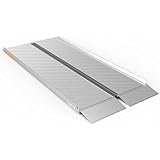 EZ-ACCESS Singlefold Wheelchair Ramp, 6 ft
Folds like a suitcase and carries in a car boot, so the same ramp handles the front step at home and the kerb at an appointment.
Check price on Amazon → Drive Medical Nitro Rollator with Seat
The seat matters more than the wheels. Being able to stop and rest is what decides whether someone still goes out at all.
Check price on Amazon → Vive Stand Assist Rail for Couch or Chair
Getting out of a low sofa is where most falls at home start. This is the cheapest thing on the list and often the first one needed.
Check price on Amazon →As an Amazon Associate we earn from qualifying purchases, at no extra cost to you. Researched guidance, not medical advice. Prices change, so check before buying.
Medicaid: the main long-term care payer
Medicaid covers the majority of long-term nursing-home care in the US and, through Home and Community-Based Services (HCBS) waivers, can also pay for in-home and assisted-living services in many states. Because Medicaid is needs-based, your parent must meet strict income and asset limits. Planning ahead with an elder law attorney can help, since improper transfers within the five-year look-back period can trigger penalties.
VA benefits: Aid and Attendance
Wartime veterans and their surviving spouses who need help with daily activities may qualify for the VA's Aid and Attendance pension, a monthly cash benefit that can be used toward in-home care, assisted living, or memory care. Eligibility considers service history, the need for help with ADLs, and income and net worth. The VA also operates community living centers and contracts for home-based care.
Frequently Asked Questions
Does Medicare pay for long-term care?
No. Medicare does not cover long-term custodial care, which is help with daily activities like bathing, dressing, and supervision. It covers short-term skilled nursing or rehab after a qualifying hospital stay (up to 100 days with cost-sharing), intermittent skilled home health, and hospice. For ongoing long-term care, families rely on Medicaid, VA benefits, long-term care insurance, or private funds.
Can you have both Medicare and Medicaid?
Yes. People who qualify for both are called dual-eligible. Medicare remains the primary payer for medical care, while Medicaid covers services Medicare does not, including long-term custodial care, and often helps with Medicare premiums and cost-sharing. Being dual-eligible significantly reduces out-of-pocket costs for a low-income senior.
What is the Medicaid five-year look-back?
When applying for Medicaid long-term care, the state reviews financial transactions from the prior five years (the look-back period). Assets given away or sold below fair market value during that window can trigger a penalty period of Medicaid ineligibility. Because the rules are complex, families often consult an elder law attorney before transferring assets or spending down.
What is VA Aid and Attendance?
Aid and Attendance is an enhanced monthly pension from the VA for eligible wartime veterans and surviving spouses who need help with activities of daily living, are bedridden, or live in a care facility. The cash benefit can be applied toward in-home care, assisted living, or memory care. Eligibility depends on service history, care needs, and income and asset limits.