ADLs and IADLs: Activities of Daily Living Explained
There are 6 basic Activities of Daily Living (ADLs): bathing, dressing, eating, toileting, transferring (moving in and out of a bed or chair), and continence. There are 8 Instrumental Activities of Daily Living (IADLs): managing medications, managing finances, shopping, cooking, housekeeping, laundry, transportation, and using the phone or technology. Care assessments, long-term care insurance, and Medicaid eligibility all use the number of ADLs a person cannot do independently.
ADLs and IADLs are the standard way clinicians, insurers, and care managers measure how much support an older adult needs. Knowing where your parent stands helps you choose the right level of care and document need for benefits.
The 6 Activities of Daily Living (ADLs)
| ADL | What it means | Help looks like |
|---|---|---|
| Bathing | Washing the body safely | Grab bars, shower chair, hands-on help |
| Dressing | Choosing and putting on clothes | Adaptive clothing, reminders, assistance |
| Eating | Feeding oneself once food is prepared | Adaptive utensils, setup, feeding help |
| Toileting | Getting to and using the toilet, hygiene | Raised seat, grab bars, assistance |
| Transferring | Moving between bed, chair, and standing | Transfer belt, lift, two-person assist |
| Continence | Controlling bladder and bowels | Scheduled toileting, incontinence supplies |
The equipment that changes the most
Most of what caregiving costs is time. These four are the purchases that reliably buy some of it back, and they are the ones families tell us they wish they had bought sooner.
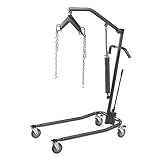 Drive Medical Hydraulic Patient Lift
A full lift is what makes one person able to manage a transfer alone. It is the single purchase that most often delays a move into residential care.
Check price on Amazon → EZ-ACCESS Singlefold Wheelchair Ramp, 6 ft
Folds like a suitcase and carries in a car boot, so the same ramp handles the front step at home and the kerb at an appointment.
Check price on Amazon → Drive Medical Nitro Rollator with Seat
The seat matters more than the wheels. Being able to stop and rest is what decides whether someone still goes out at all.
Check price on Amazon → Vive Stand Assist Rail for Couch or Chair
Getting out of a low sofa is where most falls at home start. This is the cheapest thing on the list and often the first one needed.
Check price on Amazon →As an Amazon Associate we earn from qualifying purchases, at no extra cost to you. Researched guidance, not medical advice. Prices change, so check before buying.
The 8 Instrumental Activities of Daily Living (IADLs)
| IADL | What it means |
|---|---|
| Managing medications | Taking the right doses at the right times |
| Managing finances | Paying bills, handling money, avoiding scams |
| Shopping | Buying groceries and necessities |
| Preparing meals | Planning and cooking safely |
| Housekeeping | Keeping the home clean and safe |
| Laundry | Washing and caring for clothing |
| Transportation | Driving or arranging rides |
| Using communication | Phone, mail, and technology |
Why the count matters
Most long-term care insurance policies begin paying when a person needs help with at least two of the six ADLs, or has a cognitive impairment such as dementia. Medicaid and many in-home care programs also assess ADLs and IADLs to determine eligibility and hours of care. Tracking which tasks your parent can and cannot do, and bringing that list to a doctor or care manager, makes assessments faster and more accurate. IADLs usually decline first, so trouble managing medications or finances is often the earliest sign that more help is needed.
Frequently Asked Questions
What is the difference between ADLs and IADLs?
ADLs (activities of daily living) are the basic self-care tasks needed to live independently: bathing, dressing, eating, toileting, transferring, and continence. IADLs (instrumental activities of daily living) are more complex skills that let a person live independently in a community, such as managing medications and finances, shopping, cooking, housekeeping, laundry, transportation, and using the phone. IADLs typically decline before ADLs.
How many ADLs trigger long-term care insurance?
Most long-term care insurance policies pay benefits once the insured needs substantial help with at least two of the six ADLs, or has a severe cognitive impairment like dementia. The exact trigger is defined in the policy, so check the contract language, but two-of-six ADLs plus the cognitive trigger is the common standard.
Which ADLs do people lose first?
People usually lose IADLs before ADLs, and among ADLs, bathing is often the first to require help, while eating is typically the last ability retained. The common progression is trouble with finances or medications, then bathing and dressing, then toileting and transferring, and finally eating. Tracking this progression helps anticipate care needs.
Who assesses ADLs and IADLs?
Physicians, nurses, occupational therapists, geriatric care managers, social workers, and long-term care insurers all assess ADLs and IADLs. Hospital discharge planners use them to recommend a safe discharge setting. You can also do an informal assessment at home by noting which tasks your parent does independently, needs reminders for, or cannot do at all.