ADU and In-Law Suite Guide
How to create an accessory dwelling unit or in-law suite that allows your aging parent to live independently while staying close to family.
Why Consider an ADU? Building an accessory dwelling unit or in-law suite can provide your aging parent with independence and privacy while keeping them close enough for daily connection and support. It's often more affordable than assisted living and allows families to age together while maintaining healthy boundaries.
Understanding Your Options
When it comes to housing an aging parent on your property, you have several options. The best choice depends on your property, budget, local regulations, and your parent's needs.
Types of Secondary Housing
Detached ADU (Accessory Dwelling Unit)
A separate structure on your property with complete living facilities:
- Pros: Maximum privacy and independence; can be rented later; adds property value
- Cons: Highest cost; requires yard space; most complex permitting
- Best for: Parents who value independence but want to be nearby
- Typical size: 400-1,200 square feet
Attached ADU
Built as an addition to your home with a separate entrance:
- Pros: Shares utilities; direct connection possible; less expensive than detached
- Cons: Less privacy; construction disrupts main home; limited by house layout
- Best for: Parents who want proximity with some independence
- Typical size: 300-800 square feet
Garage Conversion
Converting an existing garage into living space:
- Pros: Uses existing structure; often lower cost; faster construction
- Cons: Lose parking; may need parking variance; insulation challenges
- Best for: Properties where a garage isn't essential; moderate budgets
- Typical size: 400-600 square feet
Basement Conversion
Finishing a basement as a separate living unit:
- Pros: Often most affordable; good climate control; built-in privacy
- Cons: Accessibility challenges (stairs); limited natural light; potential moisture issues
- Best for: Mobile parents; tight budgets; cold climates
- Typical size: 500-1,000 square feet
In-Law Suite (Interior)
Private quarters within the main house:
- Pros: Easiest connection for caregiving; shared utilities; often simplest permitting
- Cons: Least privacy; noise concerns; may not qualify as ADU
- Best for: Parents needing frequent assistance; families who prefer togetherness
- Typical size: 250-500 square feet
Key Differences: ADU vs. In-Law Suite
The terms are often used interchangeably, but there are important distinctions:
| Feature | True ADU | In-Law Suite |
|---|---|---|
| Separate entrance | Required | Optional |
| Full kitchen | Required | May have kitchenette |
| Separate address | Often yes | No |
| Can be rented | Yes (usually) | Varies by jurisdiction |
| Permitting | More complex | Often simpler |
| Property value impact | Significant increase | Moderate increase |
As an Amazon Associate, we earn from qualifying purchases.
ADU Accessibility Products
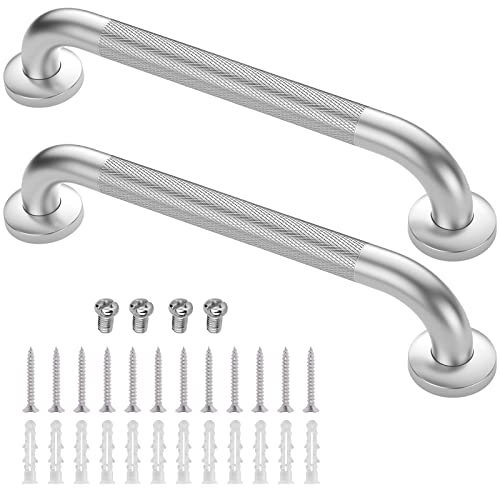 Grab Bars for Bathroom Essential safety feature for in-law suite bathrooms
 Motion Sensor Night Lights Safe pathway lighting for nighttime
 Medical Alert System Emergency help button for ADU residents
 Non-Slip Floor Mats Fall prevention in high-risk areas
Zoning and Permits
Before you start planning, you need to understand what's legally allowed on your property. Zoning laws have changed significantly in recent years, with many states passing pro-ADU legislation.
The Changing ADU Landscape
States that have passed significant ADU-friendly legislation include:
- California: Most permissive laws; allows ADUs on virtually all single-family lots
- Oregon: Requires all cities to allow ADUs; limits local restrictions
- Washington: Mandates ADU allowances in many jurisdictions
- Vermont: Statewide law permitting ADUs
- Connecticut, Massachusetts, Maine: Recent reforms easing ADU construction
Common Zoning Considerations
What to Research
- Zoning designation: Is your property zoned for ADUs?
- Lot size requirements: Minimum lot size to add an ADU
- Setbacks: Required distance from property lines
- Height limits: Maximum height for accessory structures
- Size limits: Maximum square footage (often 800-1,200 sq ft or percentage of main home)
- Parking requirements: May need to add parking spaces
- Owner-occupancy: Some areas require you to live on-site
- Design requirements: May need to match main home aesthetically
The Permitting Process
- Pre-application meeting: Many jurisdictions offer free consultations
- Site survey: Document existing conditions and property lines
- Design and plans: Architectural drawings meeting code requirements
- Permit application: Submit plans with required fees
- Plan review: City checks compliance (weeks to months)
- Permit issuance: Approval to begin construction
- Inspections: Various stages (foundation, framing, electrical, plumbing, final)
- Certificate of occupancy: Final approval to occupy the unit
Pro Tip: Don't assume your project isn't allowed. Rules have changed dramatically, and many homeowners are surprised to learn ADUs are now permitted. Contact your local planning department before giving up on the idea.
Costs and Budgeting
ADU costs vary dramatically based on type, size, location, and finishes. Understanding realistic costs helps you plan effectively.
Cost Ranges by Type
| ADU Type | Typical Cost Range | Cost per Sq Ft |
|---|---|---|
| Basement conversion | $50,000-$150,000 | $75-$200 |
| Garage conversion | $100,000-$200,000 | $200-$400 |
| Attached addition | $150,000-$300,000 | $250-$500 |
| Detached new build | $150,000-$400,000+ | $300-$600 |
| Prefab/modular ADU | $100,000-$250,000 | $200-$400 |
| In-law suite (interior) | $75,000-$200,000 | $200-$400 |
Costs vary significantly by location. Add 20-40% for high-cost areas like California, NYC metro, or Seattle.
What's Included in the Cost
Hard Costs (Construction)
- Foundation and site work
- Framing and structure
- Roofing and exterior
- Plumbing and electrical
- HVAC systems
- Insulation and drywall
- Flooring, cabinets, fixtures
- Appliances
Soft Costs (Non-Construction)
- Architectural/design fees: $5,000-$20,000
- Engineering (if needed): $2,000-$5,000
- Permits and fees: $1,000-$15,000
- Utility connections: $5,000-$20,000
- Site survey: $500-$2,000
- Landscaping restoration: $2,000-$10,000
Accessibility Features Cost
Building accessible from the start costs far less than retrofitting. Budget for:
- Zero-step entry: $500-$3,000 (ramp or grading)
- Wider doorways (36"): Minimal cost if planned from start
- Walk-in shower with seat: $3,000-$8,000
- Grab bars: $500-$1,500
- Lower counters: $1,000-$3,000
- Better lighting: $1,000-$3,000
Universal Design: Consider universal design principles even if your parent doesn't currently need them. Features like zero-step entry, lever handles, and good lighting benefit everyone and prevent costly modifications later.
Financing Options
ADUs are expensive, but various financing options can make them achievable. The best choice depends on your equity, credit, and income situation.
Common Financing Methods
Home Equity Loan or HELOC
Borrow against your home's equity:
- Home equity loan: Fixed rate, lump sum, predictable payments
- HELOC: Variable rate, draw as needed, interest-only option during construction
- Typically can borrow up to 80-85% of home value minus existing mortgage
- Interest may be tax-deductible (consult tax advisor)
Cash-Out Refinance
Replace existing mortgage with larger one:
- Access equity in one new mortgage
- May get better rate than HELOC
- Higher closing costs than HELOC
- Consider if rates are favorable compared to current mortgage
Construction Loan
Specialized loan for building projects:
- Funds disbursed in stages as construction progresses
- Converts to permanent financing after completion
- Higher rates during construction phase
- More paperwork and inspections
ADU-Specific Programs
Some areas offer specialized ADU financing:
- California: CalHFA ADU Grant Program (up to $40,000)
- Portland: ADU loan programs through local banks
- Some utilities offer rebates for energy-efficient ADUs
- Check state housing finance agencies for programs
Parent Contribution Options
Your parent may be able to contribute to the project:
- Proceeds from selling their home: Often the largest source of funds
- Savings or investments: Direct contribution to construction
- Reverse mortgage: If parent owns a home, could access equity (though consult carefully)
- Gift vs. loan: Consider tax implications of large gifts; document any loans
Important: If your parent is contributing significantly, consider what happens if the arrangement doesn't work out. Legal agreements addressing contributions, ownership interests, and what happens if your parent needs to move can prevent family conflict later.
Design for Aging
Thoughtful design can help your parent live safely and comfortably for years. Build in features now that accommodate changing needs.
Essential Accessibility Features
Entry and Movement
- Zero-step entry: No steps to navigate; essential for wheelchair access
- 36" doorways minimum: Standard doors are 32"; 36" allows wheelchair passage
- 5' turning radius: In key areas for wheelchair maneuverability
- Low thresholds: Flush or maximum ½" height
- Lever door handles: Easier than knobs for arthritic hands
- Well-lit paths: Good lighting from car to door
Bathroom
- Walk-in or roll-in shower: No tub to step over; built-in seat recommended
- Grab bars: In shower, near toilet, and by vanity; install blocking in walls
- Comfort-height toilet: 17-19" seat height
- Handheld showerhead: On adjustable slide bar
- Non-slip flooring: Textured tile or non-slip vinyl
- Good ventilation: Prevent mold and moisture issues
Kitchen
- Varied counter heights: Some lower sections for seated work
- Pull-out shelves: In base cabinets for easier access
- D-shaped cabinet pulls: Easier than small knobs
- Front-control cooktop: No reaching over hot burners
- Side-by-side refrigerator: Freezer and fridge at accessible heights
- Good task lighting: Under-cabinet lights for work areas
General Living Space
- Single-floor living: No stairs required for daily activities
- Open floor plan: Easier navigation with mobility aids
- Rocker light switches: Easier than toggle switches
- Outlets at 18" height: Reduce bending
- Abundant natural light: Important for vision and mood
- Climate control: Easy-to-use thermostat; good insulation
Technology Considerations
- Video doorbell: See visitors without going to door
- Voice-controlled systems: Lights, thermostat, locks
- Medical alert system: Wiring and space for monitoring equipment
- Good internet connectivity: For telehealth and staying connected
- Intercom to main house: Easy communication with family
Future-Proofing
Even if not needed now, plan for potential future needs:
- Blocking in walls: Install plywood backing for future grab bar installation
- Wider hallways: 42" minimum for easy wheelchair passage
- Rough-in for future lift: If two-story, plan for potential stair lift or elevator
- Accessible pathway: Covered walkway potential between ADU and main house
The Construction Process
Choosing a Contractor
Finding the right contractor is critical. Look for:
- ADU experience: Not all contractors understand ADU-specific requirements
- Aging-in-place knowledge: Experience with accessibility features
- Licensed and insured: Verify current licenses and adequate insurance
- Good references: Talk to previous clients; visit completed projects
- Clear communication: Responsive and explains things clearly
- Detailed bids: Itemized quotes showing exactly what's included
Typical Timeline
- Design and permits: 2-6 months
- Foundation: 1-2 weeks
- Framing: 2-4 weeks
- Mechanical (plumbing, electrical, HVAC): 2-4 weeks
- Insulation and drywall: 2-3 weeks
- Finishes: 4-6 weeks
- Final inspections and punch list: 1-2 weeks
- Total construction: 4-8 months (varies significantly)
Prefab and Modular Options
Prefabricated ADUs can offer advantages:
- Faster construction: Built in factory while site prep happens
- More predictable costs: Less variation than site-built
- Quality control: Built in controlled environment
- Less site disruption: Installed in days, not months
- Considerations: Limited customization; delivery access required; still need foundation and utility work
Legal and Financial Considerations
Property Tax Implications
Adding an ADU typically increases property taxes:
- Reassessment based on construction value
- Some states have exemptions for family ADUs
- California Proposition 19 allows seniors to transfer tax basis
- Check local exemptions for senior housing or affordable units
Insurance Considerations
- Notify your insurance company about the addition
- May need increased coverage for the new structure
- Consider liability coverage for a separate dwelling
- Parent may need renter's insurance for personal belongings
Family Agreements
Consider documenting arrangements in writing:
- Financial contributions: What is parent paying? Is it a gift, loan, or payment for equity?
- Occupancy terms: Under what circumstances might either party end the arrangement?
- Utilities and expenses: Who pays for what ongoing costs?
- Care expectations: What level of care, if any, is expected?
- Estate planning: What happens to the ADU if parent passes? If you sell the property?
Impact on Benefits
Living arrangements can affect your parent's benefits:
- Medicaid: Housing may affect Medicaid eligibility; consult elder law attorney
- SSI: In-kind support and maintenance rules may apply
- Veterans benefits: Some programs have housing requirements
- Property tax exemptions: Parent may lose homeowner exemptions from previous residence
Making It Work
Setting Boundaries
Successful multigenerational living requires clear expectations:
- Visiting protocols: When is it okay to drop by? Should you call/text first?
- Privacy expectations: What spaces are private? Shared?
- Meal arrangements: Eating together? How often? Who cooks?
- Childcare expectations: If applicable, what's reasonable to ask?
- Guests: What are the rules for visitors to each home?
- Noise and schedules: Quiet hours? Activity levels?
Maintaining Independence
Help your parent maintain their independence and dignity:
- Let them furnish and decorate their space as they wish
- Respect their schedule and routine
- Encourage outside friendships and activities
- Don't take over tasks they can still do themselves
- Include them in family activities without overwhelming
- Give them responsibilities that make them feel useful
Planning for Changing Needs
Your parent's needs will evolve. Plan for:
- Regular conversations about how things are working
- Signs that more help is needed
- When to bring in outside help (home care, medical support)
- What would trigger a move to higher-level care
- End-of-life wishes and preferences
Frequently Asked Questions
What is an ADU and how is it different from an in-law suite?
An ADU (Accessory Dwelling Unit) is a complete, independent living space with its own entrance, kitchen, bathroom, and sleeping area. An in-law suite is typically part of the main house, sharing some walls but having private living quarters. ADUs offer more independence; in-law suites provide easier access to the main household.
How much does it cost to build an ADU for an aging parent?
ADU costs vary widely: garage conversions typically cost $100,000-$200,000, detached new construction $150,000-$400,000+, and basement conversions $50,000-$150,000. Costs depend on size, finishes, location, and accessibility features. In-law suite additions within the home often cost $75,000-$200,000.
Can I build an ADU on my property?
It depends on local zoning laws. Many states have passed laws making ADUs easier to build, but regulations vary. Key factors include lot size, setback requirements, height limits, parking requirements, and whether you're in a single-family zone. Start by checking with your local planning department.
What accessibility features should an ADU for seniors include?
Essential features include zero-step entry, 36-inch doorways, grab bars in bathroom, walk-in or roll-in shower, lever door handles, good lighting, non-slip flooring, and accessible kitchen design. Building accessible from the start costs far less than retrofitting later.
How do I finance an ADU for my parent?
Options include home equity loans/HELOCs, cash-out refinancing, construction loans, ADU-specific loan programs in some areas, parent's contribution from selling their home, or combining family resources. Some areas offer ADU grants or favorable financing for affordable housing commitments.