Get Paid to Care for Your Elderly Parent in Pennsylvania
Yes, Pennsylvania pays family caregivers $13–$17/hour through the Act 150 Attendant Care Program and several Pennsylvania Medicaid waiver programs. Adult children and other relatives can be paid; spouses are typically excluded. Contact the PA Office of Long-Term Living at 1-800-753-8827 or your local Area Agency on Aging to start.
Pennsylvania has one of the oldest populations in the United States, roughly 1 in 5 Pennsylvanians are aged 60 or older. To support families who provide the majority of home care, Pennsylvania operates several programs that allow adult children and other relatives to receive payment for their caregiving work.
Pennsylvania's system is notable for including Act 150, a state-funded program that operates outside Medicaid and reaches families with moderate incomes who don't qualify for Medicaid but still struggle to pay for care.
What Programs Pay Family Caregivers in Pennsylvania?
1. Act 150 Attendant Care Program
Pennsylvania's Act 150 program is a state-funded attendant care program available to adults with severe physical disabilities who need help with activities of daily living. It is notable because it has higher income limits than Medicaid, making it accessible to middle-income families who don't qualify for Medicaid but still need help affording care.
Under Act 150, participants direct their own care and can hire family members (excluding spouses) as paid attendants. The program is administered through Independent Living Centers statewide and uses a consumer-direction model similar to Medicaid self-direction programs.
2. OBRA Waiver (Omnibus Budget Reconciliation Act Waiver)
The OBRA Waiver is a Pennsylvania Medicaid waiver for adults aged 18–59 with severe physical disabilities. It provides home and community-based services, including attendant care, as an alternative to nursing facility placement. Consumer direction options allow participants to hire family members as paid providers.
3. COMMCARE Waiver
The COMMCARE Waiver serves adults with traumatic brain injury who need HCBS support to remain in the community. It includes self-direction options with family caregiver pay. This waiver is particularly relevant if your parent has dementia with early-onset characteristics that began before age 60.
4. Aging Waiver (OPTIONS Program)
Pennsylvania's Aging Waiver, administered through the OPTIONS program by county Area Agencies on Aging, provides HCBS to elderly Medicaid recipients as an alternative to nursing home placement. It includes consumer direction components allowing family caregiver payment under the participant direction model.
5. LIFE Program (PA PACE)
The LIFE (Living Independence for the Elderly) program is Pennsylvania's version of PACE, comprehensive managed long-term care for Medicaid-eligible seniors. LIFE operates in Philadelphia, Pittsburgh, Allentown, and other Pennsylvania cities. While it doesn't pay family caregivers directly, it significantly reduces care burden and can complement family caregiving.
Act 150 is a state-funded program with higher income limits than Medicaid. If your parent's income is too high for Medicaid but they still struggle to afford care, Act 150 may be the answer. It also allows faster enrollment in some counties because it doesn't require Medicaid eligibility determination.
The equipment that changes the most
Most of what caregiving costs is time. These four are the purchases that reliably buy some of it back, and they are the ones families tell us they wish they had bought sooner.
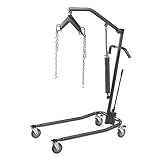 Drive Medical Hydraulic Patient Lift
A full lift is what makes one person able to manage a transfer alone. It is the single purchase that most often delays a move into residential care.
Check price on Amazon →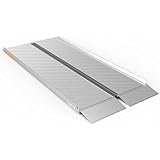 EZ-ACCESS Singlefold Wheelchair Ramp, 6 ft
Folds like a suitcase and carries in a car boot, so the same ramp handles the front step at home and the kerb at an appointment.
Check price on Amazon → Drive Medical Nitro Rollator with Seat
The seat matters more than the wheels. Being able to stop and rest is what decides whether someone still goes out at all.
Check price on Amazon → Vive Stand Assist Rail for Couch or Chair
Getting out of a low sofa is where most falls at home start. This is the cheapest thing on the list and often the first one needed.
Check price on Amazon →As an Amazon Associate we earn from qualifying purchases, at no extra cost to you. Researched guidance, not medical advice. Prices change, so check before buying.
Does Your Parent Qualify?
Act 150 Eligibility
- Age: 18 or older with a severe physical disability (most elderly parents qualify on functional need)
- Functional need: Requires assistance with activities of daily living due to a severe physical disability
- Income: Higher than Medicaid, Act 150 uses a sliding fee scale based on income, with some services available even at moderate incomes
- Residency: Pennsylvania resident
Pennsylvania Medicaid (Medical Assistance) Eligibility
For Medicaid-funded programs (OBRA Waiver, Aging Waiver), your parent must meet PA Medical Assistance income and asset limits:
- Income: Generally at or below 300% of the SSI Federal Benefit Rate (approximately $2,742/month in 2026)
- Assets: $2,000 countable assets for an individual. The primary home, one vehicle, and personal property are excluded.
- Functional need: Requires nursing facility level of care (for waiver programs)
How Much Will You Get Paid?
Pennsylvania family caregiver pay rates under state programs:
- Act 150 attendant care: $13.00–$15.00/hr (varies by region)
- OBRA Waiver attendant care: $13.50–$16.00/hr
- Aging Waiver (OPTIONS) personal care: $13.00–$17.00/hr (Philadelphia area higher)
- Philadelphia area programs: tend to pay at the higher end due to higher local wages
Authorized hours depend on your parent's functional assessment. Recipients with significant care needs may be authorized for 20–50+ hours per week. An Aging Waiver participant authorized for 30 hours/week at $15/hr generates approximately $1,800/month in caregiver income.
How to Apply: Step-by-Step
-
Contact Your Local Area Agency on Aging (AAA)
Pennsylvania's AAAs are the entry point for most elder care programs. Find yours through the PA Department of Aging at 1-717-783-1550 or at eldercare.acl.gov. The AAA can help identify which programs your parent qualifies for and assist with applications. -
Apply for Pennsylvania Medical Assistance (Medicaid)
Apply through the COMPASS online system at compass.state.pa.us, by calling 1-800-692-7462, or at your County Assistance Office. Gather proof of income, assets, identity, and residency. -
Request Act 150 Assessment (if applicable)
For Act 150, contact your local Independent Living Center (ILC) or the PA Office of Long-Term Living at 1-800-753-8827. An ILC representative will conduct an in-home assessment to determine functional eligibility and authorize hours. -
Request Medicaid Waiver Enrollment
If your parent is Medicaid-eligible, ask the AAA caseworker about the Aging Waiver (OPTIONS) or ask the Office of Long-Term Living about the OBRA Waiver. Request an assessment for waiver eligibility and consumer direction enrollment. -
Request Consumer Direction Option
Explicitly ask the program caseworker to enroll your parent in consumer-directed services. This is how you become the paid caregiver. Some programs call this "Participant Direction" or "Self-Direction." Your parent designates you as the provider; they become the employer of record. -
Select a Fiscal/Employer Agent
PA self-direction programs use fiscal/employer agents (F/EAs) to process payroll, handle taxes, and manage compliance. Common PA F/EAs include Public Partnerships LLC (PPL) and Palco Inc. Your parent selects from an approved list. -
Complete Provider Enrollment
You complete employment paperwork through the F/EA: I-9, W-4, background check, and program-specific forms. Processing takes approximately 2–4 weeks. You cannot be paid retroactively. -
Begin Care and Submit Timesheets
Provide authorized services and submit electronic timesheets through the F/EA's system every two weeks. Payments are issued by direct deposit or check.
Other Programs for Pennsylvania Caregivers
VA Veteran-Directed Care
Pennsylvania has VA medical centers in Philadelphia, Pittsburgh, Allentown, Wilkes-Barre, and other cities. Veterans enrolled in VA healthcare may qualify for Veteran-Directed Care, providing a monthly budget to hire and pay family caregivers. Contact the VA social worker at your parent's VA medical center.
VA Aid and Attendance
Pennsylvania has a large veteran population. Veterans and surviving spouses may qualify for Aid and Attendance pension benefits of $1,000–$2,300/month. Free application assistance is available through VFW, American Legion, and the Pennsylvania Department of Military and Veterans Affairs at 1-800-547-2838.
Pennsylvania Family Caregiver Support Program
The PA Family Caregiver Support Program, administered by the PA Department of Aging through Area Agencies on Aging, provides support services to caregivers, including respite care, caregiver training, and limited supplemental services. While it doesn't pay you for providing care directly, it can offset costs and support your caregiving role.
Caregiver Agreement (Private Pay)
Your parent can pay you through a formal written Caregiver Agreement at fair market rates, regardless of program participation. A Pennsylvania elder law attorney should draft the agreement, particularly important if Medicaid eligibility planning is involved.
Tax Implications for Pennsylvania Caregivers
- W-2 income: State program payments processed through fiscal/employer agents issue W-2s. Federal and state income taxes are withheld.
- Pennsylvania state income tax: Pennsylvania has a flat 3.07% state income tax rate, relatively low compared to most states.
- Philadelphia residents: Philadelphia imposes a 3.75% wage tax on residents (in addition to state tax), which is a significant consideration for city-area caregivers.
- Live-in provider exclusion: If you live with your parent, consult a tax professional about the IRS difficulty-of-care exclusion (IRS Notice 2014-7) for Medicaid-funded programs.
- FICA: Social Security and Medicare taxes are withheld from caregiver pay processed through fiscal agents.
Estimate Your Parent's Care Costs
Use our free calculator to understand Pennsylvania care cost options for your family.
Use the Care Cost CalculatorFrequently Asked Questions
Yes. Pennsylvania's Act 150 Attendant Care Program and Medicaid waiver programs (Aging Waiver/OPTIONS, OBRA Waiver) allow adult children and other relatives to be paid caregivers. Spouses are generally excluded. Your parent must meet program eligibility requirements, Act 150 has higher income limits than Medicaid programs.
Act 150 is a Pennsylvania state-funded attendant care program for adults with severe physical disabilities. It has higher income limits than Medicaid and is administered through Independent Living Centers. Participants direct their own care and can hire family members as paid attendants. Contact the PA Office of Long-Term Living at 1-800-753-8827 or your local ILC to apply.
Pennsylvania family caregiver pay ranges from $13 to $17 per hour depending on the program and region. Philadelphia-area programs tend to pay at the higher end. Act 150 attendant care rates typically start around $13–$15/hr, while Aging Waiver personal care rates can reach $17/hr in some counties.
The OBRA Waiver is a Pennsylvania Medicaid waiver for adults aged 18–59 with severe physical disabilities who need HCBS support to avoid nursing facility placement. It includes consumer-direction options allowing family members to be paid providers. Apply through the PA Office of Long-Term Living or your County Assistance Office.
Some Pennsylvania Medicaid HCBS waiver programs have waitlists, particularly the COMMCARE and OBRA waivers. The OPTIONS/Aging Waiver may also have limited slots in some counties. Act 150 waitlists vary by county and available funding. Apply to all applicable programs simultaneously and ask about your position on any waitlist.
Yes, if both parents independently qualify for a program, each parent has their own service authorization, and you maintain separate time logs for each. This effectively doubles your caregiver income. Be sure to track time carefully for each parent and ensure total authorized hours don't create an overtime situation.
LIFE (Living Independence for the Elderly) is Pennsylvania's PACE program, comprehensive managed long-term care for Medicaid-eligible seniors in certain Pennsylvania cities. LIFE coordinates medical care, therapies, social services, and personal care, allowing seniors to remain in the community. While LIFE doesn't pay family caregivers directly, it significantly reduces care burden.
Start by contacting your local Area Agency on Aging (find yours at eldercare.acl.gov) or calling the PA Office of Long-Term Living at 1-800-753-8827. For Act 150, contact your local Independent Living Center. For Medicaid programs, apply through COMPASS at compass.state.pa.us or call 1-800-692-7462. Your AAA can help coordinate applications across multiple programs.