Get Paid to Care for Your Elderly Parent in New Jersey
If you are already spending hours every week helping your aging parent with bathing, meals, medications, and daily tasks, New Jersey has a program that can pay you for that work. The Personal Preference Program (PPP): part of the state's Medicaid managed care system, allows eligible seniors to hire a family member as their paid caregiver rather than relying on a home care agency.
This guide covers everything you need to know about getting paid to care for a parent in New Jersey: the program names, income ranges, eligibility rules, the step-by-step application process, and other programs that may provide additional support.
New Jersey pays family caregivers $13–$17 per hour through the Personal Preference Program. Your parent must be enrolled in NJ FamilyCare Medicaid and require home-based personal care services. You cannot be your parent's spouse to qualify as the paid caregiver.
New Jersey's Main Program: Personal Preference Program (PPP)
The Personal Preference Program is New Jersey's consumer-directed home care option. Rather than the state sending an agency aide to your parent's home, PPP gives your parent control over who cares for them. They can hire you, an adult child, as their personal care assistant and pay you through a state-managed fiscal intermediary.
PPP operates within the NJ FamilyCare Managed Long Term Services and Supports (MLTSS) system. Once enrolled in MLTSS, your parent works with their Managed Care Organization (MCO), such as Aetna Better Health of New Jersey, Horizon NJ Health, United Healthcare Community Plan NJ, or WellCare NJ, to set up the self-directed option.
What PPP Pays For
Your parent's MCO will conduct a functional assessment to determine how many hours of personal care are needed per week. You can be paid to provide:
- Personal hygiene assistance: bathing, grooming, dressing, oral care
- Mobility support: transferring, ambulation, positioning
- Meal preparation and feeding assistance
- Light housekeeping related to the care recipient's health
- Medication reminders (not administration)
- Supervision for participants with cognitive impairment
- Transportation to medical appointments
Pay Rates by County
| Region | Typical Hourly Rate | Notes |
|---|---|---|
| North Jersey (Bergen, Essex, Hudson, Union) | $15–$17/hr | Highest cost-of-living counties |
| Central NJ (Middlesex, Monmouth, Morris) | $14–$16/hr | Mid-range rates |
| South Jersey (Camden, Burlington, Atlantic) | $13–$15/hr | Lower cost areas |
The equipment that changes the most
Most of what caregiving costs is time. These four are the purchases that reliably buy some of it back, and they are the ones families tell us they wish they had bought sooner.
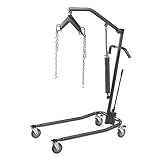 Drive Medical Hydraulic Patient Lift
A full lift is what makes one person able to manage a transfer alone. It is the single purchase that most often delays a move into residential care.
Check price on Amazon →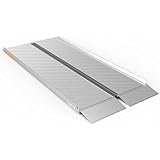 EZ-ACCESS Singlefold Wheelchair Ramp, 6 ft
Folds like a suitcase and carries in a car boot, so the same ramp handles the front step at home and the kerb at an appointment.
Check price on Amazon → Drive Medical Nitro Rollator with Seat
The seat matters more than the wheels. Being able to stop and rest is what decides whether someone still goes out at all.
Check price on Amazon → Vive Stand Assist Rail for Couch or Chair
Getting out of a low sofa is where most falls at home start. This is the cheapest thing on the list and often the first one needed.
Check price on Amazon →As an Amazon Associate we earn from qualifying purchases, at no extra cost to you. Researched guidance, not medical advice. Prices change, so check before buying.
Eligibility Requirements
Your Parent Must:
- Be enrolled in NJ FamilyCare (New Jersey Medicaid)
- Be enrolled in Managed Long Term Services and Supports (MLTSS)
- Require a nursing facility level of care but choose to remain at home
- Be able to direct their own care, or have an authorized representative who can
- Meet the functional assessment threshold for personal care hours
You (the Caregiver) Must:
- Be 18 years of age or older
- Not be the participant's spouse or domestic partner
- Pass a background check (criminal history and abuse registry check)
- Complete required caregiver training (typically 8–16 hours depending on MCO)
- Be legally eligible to work in the United States
- Not be the participant's legal guardian in most cases (check with MCO)
Spouses and domestic partners cannot be paid caregivers under the Personal Preference Program. If you are caring for a parent-in-law, the rules may still allow you to be paid, verify with your parent's MCO case manager.
How to Apply: Step-by-Step
- Apply for NJ FamilyCare Medicaid. If your parent is not already enrolled, apply at njfamilycare.org or call 1-800-701-0710. Income and asset limits apply, a Medicaid planning attorney can help if assets exceed limits.
- Request MLTSS enrollment. Once on Medicaid, ask to be enrolled in Managed Long Term Services and Supports. You can do this through your parent's MCO or by contacting the Division of Aging Services.
- Get a care needs assessment. Your parent's MCO will send a care coordinator to assess functional needs and determine how many personal care hours are authorized per week.
- Choose self-directed care. Inform the MCO case manager that your parent wants to self-direct their care using the Personal Preference Program option. Request the PPP enrollment packet.
- Hire yourself as the caregiver. As the participant's employer of record (or as their representative), you will fill out hiring paperwork, including a W-4 and I-9, through the fiscal management service.
- Complete caregiver training. Attend required training through the MCO. Topics typically include safe transfers, fall prevention, infection control, and recognizing emergencies.
- Begin providing care and submit timesheets. Once approved, you provide care per the authorized plan and submit electronic timesheets through the fiscal management service portal. Paychecks are issued bi-weekly.
New Jersey uses a Fiscal Management Service (FMS) to process payroll, withhold taxes, and handle workers' compensation for PPP caregivers. You will receive a W-2 at tax time. There is no cost to you for FMS services.
Other New Jersey Programs That Pay Family Caregivers
Global Options for Long-Term Care Medicaid Waiver
The Global Options (GO) Waiver provides expanded home and community-based services for seniors and adults with disabilities who meet nursing facility level of care. Unlike standard MLTSS, the GO Waiver may authorize additional services beyond personal care. Family caregivers may be paid under self-directed options within this waiver. Contact your county's Area Agency on Aging to learn more.
New Jersey Veterans Programs
If your parent is a veteran, the VA Veteran-Directed Care program may provide a monthly budget to hire family caregivers. The Program of Comprehensive Assistance for Family Caregivers (PCAFC) offers a monthly stipend to primary family caregivers of eligible veterans. Contact the social worker at your parent's VA medical center.
Caregiver Agreement (Private Pay)
Even without Medicaid, your parent can pay you directly through a formal Personal Care Agreement. This written contract specifies services, hours, and pay rates. It must reflect fair market value and cover future services only, not past care. An elder law attorney can draft this for you, which is especially important for Medicaid planning purposes.
NJ Division of Aging Services (DOAS) Programs
The Older Americans Act funds several programs through NJ DOAS and county Offices on Aging that may provide supplemental support, including caregiver training stipends, respite services, and care coordination. While these do not typically pay ongoing wages, they can reduce your caregiving costs. Call 1-800-792-8820 or visit nj.gov/humanservices/doas.
Not Sure Where to Start?
Our free Benefits Checker walks you through your parent's eligibility for Medicaid, Veterans programs, and state caregiver pay options.
Check Eligibility NowTax Implications for New Jersey Family Caregivers
Understanding your tax situation before you start getting paid prevents surprises at filing time.
Federal Taxes
- W-2 income: Wages from PPP are reported on a W-2. Social Security (6.2%) and Medicare (1.45%) taxes are withheld automatically.
- IRS Notice 2014-7: If you live in the same home as your parent (the care recipient), Medicaid waiver payments may be excluded from gross income. Confirm with a tax professional whether this applies to your situation.
- Earned Income Tax Credit: Caregiver wages count as earned income for EITC purposes, which can result in a meaningful credit if your income is in the qualifying range.
New Jersey State Taxes
- New Jersey does not conform to the federal Difficulty of Care exclusion, so state income tax on PPP wages applies regardless of living arrangement.
- New Jersey has a Dependent Care Tax Credit that may benefit your parent if they pay you under a Caregiver Agreement. Consult a CPA familiar with NJ elder care tax rules.
Whether paid through PPP or a private Caregiver Agreement, always keep detailed time logs. Record the date, start time, end time, and services provided. This protects you legally and is required for Medicaid compliance.
What Family Caregivers in New Jersey Are Actually Earning
To put the numbers in context: a caregiver providing 30 hours per week at $15/hour earns approximately $1,950 per month before taxes, or about $23,400 per year. At 40 hours per week, that rises to roughly $31,200 annually, comparable to entry-level healthcare roles without the commute or employer mandates.
Many families find that PPP income, combined with reduced household expenses when a family member moves in to provide care, can significantly offset the financial strain caregiving causes. The arrangement also keeps your parent out of a nursing home, which in New Jersey costs $120,000–$180,000 per year.
Resources and Contact Information
- NJ FamilyCare (Medicaid): njfamilycare.org | 1-800-701-0710
- NJ Division of Aging Services: nj.gov/humanservices/doas | 1-800-792-8820
- NJ County Area Agencies on Aging: eldercare.acl.gov
- Caregiver Action Network NJ: caregiveraction.org
Frequently Asked Questions
New Jersey's Personal Preference Program pays family caregivers between $13 and $17 per hour depending on the county and level of care required. The rate is set by the participant's Managed Care Organization and is typically similar to what agency aides earn in the area.
Yes. Even without Medicaid, you can enter a formal Caregiver Agreement where your parent pays you directly from their own funds at fair market rates. This arrangement should be documented in writing with the help of an elder law attorney to protect both parties.
Generally, spouses are excluded from the Personal Preference Program as paid caregivers. However, adult children, siblings, and other relatives are typically allowed. Legal guardians and representatives of the participant may also serve as employers under the program.
After your parent is found eligible for NJ FamilyCare Medicaid and a needs assessment is completed, enrollment in the Personal Preference Program typically takes 4 to 8 weeks. Processing times vary by Managed Care Organization and county.
Covered services include personal care assistance such as bathing, dressing, and grooming; meal preparation; light housekeeping; medication reminders; transportation to medical appointments; and companionship and supervision for individuals with cognitive impairment.
Yes, wages paid through the Personal Preference Program are taxable income. The fiscal management service issues a W-2 at year end. Some caregivers may qualify for the Difficulty of Care tax exclusion under IRS Notice 2014-7 if they live in the same home as the care recipient, consult a tax professional.
If your parent's needs increase, they (or their authorized representative) can request a new care assessment from their Managed Care Organization. A reassessment can result in an increased monthly budget, allowing more paid hours or additional services under the program.
Yes. In addition to the Personal Preference Program, New Jersey offers the Global Options Medicaid Waiver, the Community Care Program for people with developmental disabilities, the Division of Aging Services programs funded by the Older Americans Act, and the New Jersey Veterans Benefits Program for qualifying veterans and their families.